Basketball Recruiting Exposure Means Nothing Without Information

Basketball Recruiting Exposure Means Nothing Without Information
Basketball Recruiting Exposure Means Nothing Without Information

By Al Woods | Woods Recruiting Independent Basketball Scout, Recruiting Educator & Founder of Woods Recruiting

Imagine this.

Your parents spend thousands of dollars during the spring and summer chasing basketball exposure.

AAU fees. Tournament fees. Showcase fees. Hotels. Gas. Flights. Rental cars. Food. Admission tickets. Parking. Uniforms. Shoes. Training. Everything adds up.

Then you finally get to the big event.

College coaches are sitting along the baseline.

You play great.

You defend. You score. You rebound. You make plays. Your team wins. You do everything everybody told you that you needed to do.

Then the tournament ends.

Nothing.

Another tournament comes and goes.

Nothing.

Summer ends.

Still nothing.

Not one college coach calls. No direct messages. No emails. No recruiting conversations.

Damn!!!!!

Yes, damn is the appropriate word.

Damn, because your family spent serious money.

Damn, because you traveled all over the place.

Damn, because everybody sacrificed weekends, vacations, money, sleep and time.

And damn, because somewhere along the way you were convinced that simply being in the building meant you were getting recruited.

It doesn't.


Exposure Is Not Recruiting

This is one of the biggest misunderstandings in grassroots basketball.

Exposure and recruiting are not the same thing.

Exposure means someone had an opportunity to see you.

Recruiting means a college program has identified you, evaluated you, gathered information about you and decided you may fit what they're looking for.

Those are completely different situations.

You can play in front of 100 college coaches and still walk out of the gym virtually unknown.

Think about that.

There could be hundreds or even thousands of prospects moving through a major event. 

Coaches are bouncing from court to court, evaluating specific players, following recruiting lists, talking with other coaches and trying to maximize limited time.

Why should they remember you?

That's the question.

And don't tell me, "Because I can play."

So can everybody else.

Welcome to competitive basketball.


Information Creates Opportunity

The biggest mistake families make is believing talent automatically creates recruiting attention.

It doesn't.

College coaches need information.

They need to know:

  • Your full legal name
  • Your graduation class
  • Your high school
  • Your AAU program
  • Your current height
  • Your academic information
  • Your playing position
  • Your video and film
  • Your contact information
  • Your upcoming schedule

Make it ridiculously easy for a college coach to investigate you.

If a coach sees you play well and searches your name five minutes later, what happens?

Can they find you?

Can they find video?

Can they determine your graduation year?

Can they find your high school?

Can they figure out your AAU program?

Can they see additional games?

Can they determine whether you might be academically qualified?

Or does your social media page contain three selfies, two inspirational quotes, a picture of your shoes and absolutely nothing useful about basketball?

Come on.

You're trying to get recruited.

Act like it.


Stop Showing Up Randomly

Before you attend an event, college programs you're genuinely interested in should know where you're going to be.

Send your schedule.

Send your team name.

Send your jersey number.

Send your graduation year.

Send your court assignments when they're available.

Send your video.

Then compete.

During the tournament, keep your information updated when appropriate.

Afterward, follow up.

Don't assume somebody else is going to do everything for you.

Your AAU coach has other players.

Your high school coach has an entire team.

Tournament organizers have hundreds of teams.

Scouting services have hundreds or thousands of prospects.

Eventually, somebody in your household needs to take responsibility for managing your recruiting information.


Recruiting Requires Teamwork

I understand student-athletes are busy.

School.

Practice.

Training.

Games.

Homework.

Travel.

Family responsibilities.

That's why recruiting should become a family operation.

Sit around the dining room table and develop a strategy.

Not dreams.

Not wishes.

Not fantasies about Duke, UConn, South Carolina, Kentucky or whichever powerhouse you watched on television last weekend.

A real strategy.

Who handles video?

Who updates social media?

Who tracks communication?

Who researches schools?

Who maintains schedules?

Who follows up after events?

Who keeps academic information organized?

Someone needs responsibility for every important piece.

Because this process is too important to operate randomly.


This Is A Battle

Recruiting is competitive.

Call it whatever you want.

I call it a battle for opportunity.

Thousands of talented basketball players want scholarships.

College programs have limited roster spots.

That means talent alone cannot be your strategy.

You need talent.

You need academics.

You need development.

You need film.

You need communication.

You need information.

And you need persistence.

Recruiting happens when people know who you are.

If they don't know you exist, they cannot recruit you.

You could be unbelievably talented and still be invisible.

That's the brutal part.

Being good enough and being known are two completely different things.


Your Social Media Matters

Your social media account should operate like a living recruiting résumé.

A coach shouldn't need a private investigator to figure out who you are.

Your profile should immediately communicate the basics.

Then your timeline should reinforce the story.

Game clips.

Full-game film.

Statistics.

Schedules.

Academic accomplishments.

Scouting reports.

Team information.

Tournament updates.

Basketball development.

Make the page useful.

Every post doesn't need to scream, "RECRUIT ME!"

That's annoying.

Instead, build a body of information that allows coaches to evaluate you over time.

That's professional.


Stop Waiting To Be Discovered

This is where I get aggressive.

Some families are spending thousands of dollars chasing exposure while spending almost no time developing a recruiting strategy.

That makes absolutely no sense.

You'll drive eight hours to a tournament but won't spend 30 minutes emailing college programs.

You'll spend $300 on a hotel room but won't organize your game film.

You'll pay tournament admission every weekend but won't update your social media bio.

You'll travel across three states hoping coaches notice you but won't tell those coaches you're coming.

That's backwards!!!

Exposure without information is gambling.

You're hoping the right coach happens to walk into the right gym, sit on the right baseline, watch the right possession, recognize your ability, identify your jersey number, discover your name and somehow track you down afterward.

Why leave something this important entirely to chance?


Control What You Can Control

You cannot force a college coach to recruit you.

You cannot manufacture scholarship offers.

You cannot control roster needs.

You cannot control the transfer portal.

You cannot control which positions a program needs two years from now.

But you can control preparation.

You can control communication.

You can control information.

You can control your film.

You can control your academics.

You can control your follow-up.

You can control your effort.

Start there!!!


The Real Purpose

Remember why you're doing all of this.

Basketball is incredible, but basketball eventually stops bouncing.

The objective shouldn't simply be collecting offers so everybody can celebrate them on social media.

The objective is finding a legitimate college opportunity that makes sense athletically, academically, financially and personally.

A scholarship can help pay for an education.

An education can help build a career.

A career can create opportunities long after the cheering stops.

That's why this matters.

That's why parents sacrifice.

That's why players train.

That's why families travel.

That's why you cannot afford to treat recruiting like some random summer adventure.

Exposure gets you into the building.

Information gives coaches a reason to investigate.

Film gives them evidence.

Communication keeps you on their radar.

Consistency builds familiarity.

And your performance gives them something worth recruiting.

Stop believing exposure alone is enough.

Stop waiting.

Stop hoping.

Stop assuming somebody somewhere is going to magically discover you.

You worked too hard for that.

Your parents sacrificed too much for that.

If you're serious about playing college basketball, make sure the people who can give you that opportunity know exactly who you are, where you play, what you can do and how to find you.

Because basketball recruiting exposure means absolutely nothing when nobody has the information necessary to recruit you.

Author / Byline

Al Woods is the founder of Woods Recruiting, an independent basketball scouting and recruiting education platform. 

A former high school, college and professional basketball player, Woods has spent decades evaluating talent, studying the recruiting process and helping student-athletes understand what it takes to create legitimate college opportunities. 

Through Woods Recruiting, he provides independent scouting reports, recruiting education and direct basketball insight designed to cut through the noise and tell players and families what they need to hear, not simply what they want to hear.

Related Woods Recruiting Content

Basketball Recruiting Exposure Means Nothing Without Information
Your Social Media Page Is Part Of Your Recruiting Résumé
Player Scouting Reports And Why Nobody Gives A Damn
The Changing Business of College Basketball
Protect College Sports By Protecting College Athletes
Your Social Media Page Is Part Of Your Recruiting Résumé

Your Social Media Page Is Part Of Your Recruiting Résumé

Your Social Media Page Is Part Of Your Recruiting Résumé

Wake Up: Coaches Are Looking!

Wake up.

If you're a high school basketball player trying to get recruited and your social media page tells college coaches absolutely nothing about you, you are making their job harder.

And that's ridiculous.

Stop treating your X or Instagram account like it has nothing to do with recruiting.

It does.

Your social media page has become part of your recruiting résumé. It may be one of the first places a college coach goes after hearing your name, watching you at an event, receiving your film, reading your scouting report, or getting a recommendation from someone they trust.

What happens when they get there?

Can they immediately figure out who you are?

Or do they have to become a private investigator?

College coaches are busy. 

They're evaluating hundreds and sometimes thousands of prospects. 

They're watching film, communicating with recruits, talking with high school and AAU coaches, traveling, running practices, preparing scouting reports, handling their current roster and trying to find their next recruiting class.

They don't have time for your laziness.

If you're serious about recruiting, start acting like it.


Your Page Is Your Résumé

Players and parents spend enormous amounts of time worrying about exposure.

"We need more exposure."

"Nobody knows about my son."

"My daughter isn't getting enough attention."

"How do we get coaches to notice?"

Those concerns may be legitimate.

But here's another question:

When somebody finally notices you, what are you giving them to look at?

That's where many families drop the ball.

Your social media biography should immediately provide basic recruiting information.

At minimum, consider including:

  • Height and position
  • Graduation class
  • High school
  • AAU program

Your GPA can be valuable information, especially when it's strong.

You can also include a link directing coaches toward your highlights, full-game film, scouting report, player profile, statistics, or another centralized location containing your basketball information.

Don't make people search all over creation trying to figure out whether you're a 2027 point guard or a 2029 power forward.

Make recruiting information ridiculously easy to find.


Stop Posting Nothing

Here's another problem.

Some players have accounts that are practically empty.

No highlights.

No game film.

No statistics.

No schedule.

No basketball information.

No updates.

Then everybody wonders why recruiting isn't moving faster.

Come on.

You have a FREE platform sitting in your hands.

Use it.

Years ago, recruiting exposure could become expensive.

Families mailed recruiting packets. 

They produced DVDs. 

They printed résumés. 

They purchased envelopes. 

They paid postage. 

They sent information to dozens or hundreds of schools without knowing whether anybody would ever open the package.

You could spend hundreds of dollars distributing recruiting material.

Today?

You can publish information instantly.

You can post a highlight.

You can share game film.

You can announce your schedule.

You can post updated statistics.

You can share a scouting report.

You can communicate legitimate basketball information without spending money every time you want somebody to see it.

And some players still can't be bothered.

That's not an exposure problem. 

That's an effort problem.

Give Coaches Something Worth Seeing

I'm not telling student-athletes to turn their social media accounts into boring corporate brochures.

You're young. Have a personality.

But understand something extremely important:

People are watching.

Your basketball content should help coaches learn more about you.

Post film consistently.

Not just your greatest crossover followed by a three-pointer.

Show basketball.

Show decision-making.

Show passing.

Show defense.

Show movement without the ball.

Show shooting.

Show athleticism.

Show complete possessions.

And whenever possible, make full-game film accessible.

Highlights can generate interest.

Full-game film helps coaches evaluate.

There's a difference.


One Post Can Open A Door

Imagine a college coach receives your name from an AAU coach.

The college coach goes to your X page.

Within seconds, the coach sees:

6'3" Guard | Class of 2027 | Central High School | ABC Elite | 3.7 GPA

The page contains recent highlights.

There's a pinned post with your best recruiting information.

There's a link to additional film.

There's your schedule.

There's a scouting report.

There's updated information about your season.

Now compare that with another player.

The coach visits the page and finds nothing useful.

Which player made the evaluation process easier?

That's the point.

Social media isn't going to magically get you a scholarship.

Basketball ability still matters.

Academics matter.

Character matters.

Fit matters.

Roster needs matter.

Level matters.

But your social media presence can make it easier for coaches to discover, research and evaluate you.

Why would you intentionally make that process harder?


Parents, You Need To Wake Up Too

Parents, you're not escaping this conversation.

You don't need to run every aspect of your child's recruiting process.

But you should understand what their public recruiting presence looks like.

Look at the page.

Would you know your child's graduation year?

Would you know their school?

Would you know their AAU program?

Could you quickly find film?

Could you find basketball information?

If you can't figure it out, why should a college coach?

And stop assuming coaches are going to hunt through 300 posts trying to locate one highlight from eight months ago.

Make the important information obvious.


Build The Page Correctly

This doesn't require a marketing degree.

Start with the basics:

  • Complete your biography
  • Pin recruiting information
  • Post updated film
  • Share useful statistics

Then maintain it.

Your profile shouldn't say you're playing for an AAU organization you left two years ago.

Your pinned highlight shouldn't be from seventh grade when you're entering your senior year.

Your GPA shouldn't be outdated.

Your measurements shouldn't be outdated.

Your film shouldn't disappear for six months.

Recruiting information has an expiration date.

Keep updating it.


Don't Destroy Your Own Résumé

Here's the uncomfortable part.

Everything else you're posting matters too.

If you're using social media publicly during recruiting, understand that people can form impressions based on what you choose to publish, repost, like, comment on, and associate yourself with.

That doesn't mean you have to become fake.

It means use some common sense.

Don't spend years developing your basketball ability and then present yourself recklessly online.

Think before you post.

Think before you repost.

Think before you argue.

Think before you attack somebody.

You wouldn't intentionally put foolishness on a traditional résumé and hand it to a college coach.

Why put it on your digital résumé?


The Al Woods Perspective

I've been around basketball and recruiting long enough to remember when getting information in front of college coaches was dramatically more difficult.

Today's players have opportunities previous generations couldn't imagine.

You have video.

Social media.

Direct communication.

Digital scouting reports.

Online statistics.

Highlight platforms.

Instant distribution.

That's power.

But technology is worthless when you refuse to use it properly.

I don't want to hear that nobody knows who you are while your social media page contains almost nothing about your basketball career.

I don't want to hear that you need exposure when you're sitting on videos you've never posted.

I don't want to hear that coaches can't find your information when you haven't taken 15 minutes to organize your profile.

Stop waiting to be discovered.

Help people discover you.

Conclusion: Treat Recruiting Like It Matters

Your social media page isn't everything.

But stop pretending it means nothing.

The modern recruiting process happens partly online, and your social media presence can become one piece of the evaluation trail.

A coach hears your name.

The coach searches for you.

The coach finds your page.

What happens next?

That's the question every serious student-athlete and parent should be asking.

Give them accurate information.

Give them updated information.

Give them film.

Give them statistics.

Give them your school.

Give them your AAU program.

Give them something worth remembering.

Because when a college coach finally clicks your name, you've already gotten something every recruit claims they desperately want: attention.

Don't waste it.

Author/Byline

By Al Woods | Woods Recruiting

Al Woods is the founder of Woods Recruiting, an independent basketball scouting and recruiting media platform dedicated to evaluating student-athletes, educating families, covering grassroots basketball, and connecting deserving prospects with greater visibility. 

A former high school, college, and professional basketball player, Woods brings decades of experience to his commentary on recruiting, scouting, player development, and the changing business of basketball.

Related Woods Recruiting Content

Basketball Recruiting Exposure Means Nothing Without Information
Your Social Media Page Is Part Of Your Recruiting Résumé
Player Scouting Reports And Why Nobody Gives A Damn
The Changing Business of College Basketball
Protect College Sports By Protecting College Athletes
Player Scouting Reports And Why Nobody Gives A Damn

Player Scouting Reports And Why Nobody Gives A Damn

Player Scouting Reports And Why Nobody Gives A Damn

Let’s get right to the point.

Nobody gives a damn about your scouting report.

At least, not simply because somebody wrote one about you.

Players and parents sometimes treat a scouting report like it is some kind of golden ticket. 

Somebody evaluates the player, publishes a nice article, posts it on social media, and suddenly college coaches are supposed to come running.

That is not how recruiting works.

College coaches are evaluating hundreds, sometimes thousands of prospects. 

They receive emails, direct messages, videos, recommendations, scouting reports, schedules, statistics, event information, and recruiting pitches constantly.

Your scouting report is competing against all of it.

So the real question isn't whether you have a scouting report.

The question is whether your scouting report is worth a college coach's time.

That's an entirely different conversation.


Why Should College Coaches Care?

A scouting report should make evaluating a prospect easier.

That's its job.

It should quickly give a college coach useful information about the student-athlete and provide enough supporting evidence for that coach to investigate further.

That means the report needs substance:

  • Accurate player information
  • Current academic information
  • Updated player statistics
  • Quality game video
  • Honest player evaluation
  • School and team
  • Graduation class
  • Playing position
  • Recruiting information
  • Social media access

A scouting report containing little more than glowing adjectives isn't much of a scouting report.

"Great shooter."

"Outstanding athlete."

"High basketball IQ."

"Hard worker."

Wonderful.

Where's the evidence?

College coaches need information they can evaluate. Video is enormously important because coaches want to see prospects themselves.

The written evaluation should support the video not attempt to replace it.


One Scouting Report Isn't Enough

Here's another misconception that needs to disappear.

One scouting report isn't a recruiting strategy.

Recruiting develops over time.

Players improve. 

Bodies change. 

Statistics change. 

Roles change. 

Competition changes. 

Academics change. 

Video changes.

Your scouting information should change with you.

That is why having multiple evaluations over the course of your development can become valuable. 

A report from sophomore year can establish where you were. Another evaluation months later can show development. 

Updated reports can provide new video, statistics, accomplishments, and information.

You are building a recruiting résumé.

Think accumulation not miracles.

One article isn't supposed to make you famous.

You're building a body of evidence that says:

This player deserves another look.


Your Social Media Matters Too

At Woods Recruiting, our scouting reports include a link back to the student-athlete's social media page.

That creates another important question.

What will the college coach find when they click it?

This is where some players hurt themselves.

If your social media account is going to function as part of your recruiting presence, make it useful.

A coach should be able to quickly find:

  • Current highlight videos
  • Full-game footage
  • Updated statistics
  • Academic information
  • Team information
  • Playing schedule
  • Recent accomplishments
  • Scouting report links

Don't make coaches become detectives.

They don't have time.

Your social media page doesn't need to look like a corporate website, but if you're serious about college basketball, there should be enough basketball information there for a coach to continue evaluating you.


Make Yourself Easy To Evaluate

This is the part families sometimes overlook.

Exposure isn't just about getting seen.

It's about being easy to evaluate once you're seen.

Imagine a college coach discovers your name through a scouting report.

The coach watches your video.

Then clicks your social media account.

There are more clips.

Your statistics are current.

Your school is listed.

Your graduation year is obvious.

Your academics are updated.

Your schedule is available.

The information matches.

Now imagine the opposite.

Old video.

No graduation year.

No school information.

Outdated statistics.

Broken links.

Conflicting heights.

No academic information.

Which player is easier to investigate?

That's why details matter.

Be Smart With Contact Information

Players also need to think carefully about publicly posting personal phone numbers and email addresses.

Once information is publicly available, you cannot completely control who uses it. 

Spam calls, unwanted messages, and junk emails are real possibilities.

You still need communication channels.

Social media direct messages can provide one option. 

Players and families can also proactively contact college programs through appropriate channels and provide contact information directly when conversations develop.

The objective isn't hiding from coaches.

It's creating controlled accessibility.

Once legitimate communication begins, you can provide whatever appropriate information the coaching staff needs.


Imagine This Situation

Now imagine something better.

A college coach contacts you.

They're interested.

They want additional information.

Instead of scrambling around looking for video, statistics, grades, schedules, and links, you're prepared.

You send one link.

That link leads to a professionally written scouting report containing accurate information about you, an evaluation of your game, academics, statistics, video, and additional recruiting information.

The coach can evaluate everything immediately.

That's powerful.

Not because the scouting report magically got you recruited.

Because you were prepared when the opportunity arrived.

There's a huge difference.

Mistakes Players Must Avoid

Scouting reports lose value when the information surrounding them isn't maintained.

Watch out for:

  • Outdated player information
  • Old basketball footage
  • Incorrect player measurements
  • Inflated basketball statistics
  • Missing academic information
  • Broken video links
  • Inconsistent player profiles
  • Empty social accounts
  • One-report dependency
  • Passive recruiting expectations

And here's the biggest mistake:

Waiting to be discovered.

You can have the greatest scouting report ever written, but if nobody relevant sees it, what exactly did you accomplish?

Distribution matters.

Follow-up matters.

Relationships matter.

Repeated exposure matters.


The Al Woods Perspective

I've been around basketball long enough to understand that there are no magic buttons in recruiting.

A Woods Recruiting scouting report isn't designed to guarantee a scholarship.

It's designed to become another credible piece of a student-athlete's recruiting portfolio.

That's how families should view scouting reports.

Build the résumé.

Collect quality video.

Update your statistics.

Maintain your academics.

Develop your game.

Build relationships.

Contact college programs.

Keep your information accurate.

Get evaluated more than once.

Then keep going.

Your recruiting profile should become stronger every year because you are becoming a better basketball player and a better prospect.


Conclusion: Give Them A Reason To Care

So why does nobody give a damn about your scouting report?

Because nobody owes your scouting report their attention.

You have to earn it.

The report needs accurate information. 

The evaluation needs substance. 

The video needs to support the evaluation. 

Your social media needs to provide additional information.

Your academics need to be current. 

Your recruiting activity needs to continue beyond publication day.

Stop looking at a scouting report as the finish line.

It's ammunition.

It's another tool.

Another evaluation.

Another link.

Another piece of evidence.

Another opportunity to put useful information in front of college coaches.

And when that coach finally contacts you asking for more information?

Don't scramble.

Don't start searching for video.

Don't start wondering what to send.

Be ready.

Send them something so complete, accurate, organized, and professional that evaluating you becomes easy.

Now you've given them a reason to give a damn!!!


Author/Byline

By Al Woods | Founder & Lead Scout, Woods Recruiting

Al Woods is the founder of Woods Recruiting, an independent basketball scouting and recruiting media platform dedicated to evaluating student-athletes, educating families, and providing college coaches with information on prospects across the country. 

A former high school, college, and professional basketball player, Woods brings decades of experience to player evaluation and recruiting education. 

His philosophy is straightforward: players deserve honest evaluation, useful information, and an opportunity to be seen but they must be prepared when opportunity comes.

Related Woods Recruiting Content

Basketball Recruiting Exposure Means Nothing Without Information
Your Social Media Page Is Part Of Your Recruiting Résumé
Player Scouting Reports And Why Nobody Gives A Damn
The Changing Business of College Basketball
Protect College Sports By Protecting College Athletes
The Changing Business Of College Basketball

The Changing Business Of College Basketball

The Changing Business Of College Basketball

College basketball has always been a sport. It has also always been a business.

The difference today is that nobody should be pretending otherwise.

Money has flowed through college athletics for decades. 

Television contracts, ticket sales, sponsorships, merchandise, coaching contracts, conference distributions and postseason tournaments turned major college sports into an enormous commercial enterprise long before athletes were permitted to participate more directly in the economics surrounding their value.

Now the curtain has been pulled back.

Players have greater opportunities to earn money. The transfer portal has transformed roster construction. 

NIL has created an entirely new marketplace. Revenue sharing and other changes have pushed the economics of college athletics even further into the open.

College basketball isn't dying.

College basketball is changing.

And everyone involved players, parents, coaches, administrators, scouts, agents and fans needs to understand the business that now exists alongside basketball.


Main Question: What Is Happening To College Basketball?

The traditional model was relatively simple.

High school players were recruited, signed with a college, developed within that program and ideally remained there for several years.

That model hasn't disappeared, but it is no longer the only model.

Today's environment includes:

  • Transfer portal movement
  • NIL opportunities
  • Revenue sharing
  • International recruiting
  • Roster management
  • Collective involvement
  • Professional representation
  • Conference realignment

The modern college basketball coach isn't simply recruiting high school players anymore. 

Coaches must recruit transfers, evaluate international prospects, retain their existing roster and navigate financial considerations surrounding players.

That is a fundamentally different job.


Original Analysis: Basketball Has Become Roster Economics

One of the biggest changes is that talent evaluation can no longer exist independently of roster economics.

A coach might love a high school prospect, but that player is competing for a roster opportunity against experienced college transfers and international prospects.

A current college player might perform well but still enter the portal looking for a larger role, different environment or better financial opportunity.

Programs must constantly evaluate questions that barely existed in the old system.

Who should we recruit?

Who should we retain?

Where should resources go?

Which players fit?

What does the roster need immediately?

College basketball has moved closer to professional-style personnel management while retaining its educational structure.

That creates opportunity but also enormous complexity.


The Players Are Part Of The Business

This is where the conversation sometimes becomes uncomfortable.

People were comfortable with college basketball generating substantial revenue when most of the money circulated around the athletes.

Coaches could earn millions.

Administrators could earn substantial salaries.

Conferences could negotiate major television agreements.

Networks could sell advertising.

Apparel companies could build sponsorship relationships.

But once players gained greater economic opportunities, suddenly people began worrying that money was changing college basketball.

Money didn't suddenly arrive.

The players finally became more directly involved in the economics.

That doesn't mean the current system is perfect. 

Regulation, transparency, contracts, eligibility rules and enforcement will continue to evolve.

But pretending college basketball can simply return to an earlier era ignores the economic reality surrounding the sport.

Supporting Information: Recruiting Has Changed Forever

High school recruiting may be where the impact becomes most visible.

College coaches have more options.

An 18-year-old high school prospect isn't simply competing against other high school prospects anymore.

He or she may be competing against:

  • Experienced college transfers
  • International basketball prospects
  • Older developed players
  • Proven college producers

That changes recruiting strategy.

Potential alone may not always win.

Immediate production matters.

Roster fit matters.

Position scarcity matters.

Financial considerations matter.

That makes recruiting education increasingly important for high school families.


Actionable Advice

Student-athletes and families need to stop approaching recruiting as though the system hasn't changed.

Understand the marketplace.

Build relationships early.

Develop legitimate game film.

Research appropriate levels.

Communicate professionally.

Protect academic options.

Most importantly, players must continue developing.

Exposure without ability doesn't solve anything.

Social media followers don't guarantee scholarships.

A highlight video doesn't replace complete game evaluation.

The foundation remains the same: become a better basketball player.


Mistakes And Challenges

The biggest mistake families can make is believing more exposure automatically creates more opportunities.

It doesn't.

The modern environment requires strategy.

Players must understand where they realistically fit, while families must resist chasing every camp, showcase, ranking or social-media promise that appears in front of them.

There is another danger.

Money can distort decision-making.

Choosing a college exclusively because of short-term financial opportunities could become a mistake if playing time, academics, development, coaching relationships and long-term fit are ignored.

The biggest check isn't automatically the best opportunity.


Al Woods Perspective

I've watched basketball and recruiting evolve for decades, and I believe fighting change is usually less productive than understanding it.

College basketball isn't going backward.

The transfer portal isn't disappearing. 

NIL isn't disappearing. 

Player compensation isn't disappearing. International recruiting isn't slowing down. 

The financial side of college athletics isn't suddenly going to become insignificant.

So we need to deal with reality.

I support players having opportunities to benefit financially from the value they help create. 

At the same time, players need education, structure and trustworthy information because more opportunity also means more complicated decisions.

The answer isn't pretending the old system was perfect.

The answer is building a better system around the reality of today's game.


Conclusion

College basketball is entering an era where basketball decisions and business decisions increasingly intersect.

That will create problems.

It will also create opportunities.

The programs that adapt will operate differently. 

Coaches will evaluate differently. 

Players will make decisions differently. 

Parents will need better information. 

Scouts will have to understand more than rankings and statistics.

Through all of it, one truth remains.

Basketball still rewards talent, preparation, development, discipline and production.

The business surrounding the game may continue changing rapidly.

The game itself still has to be played.

And the people who understand both sides — basketball and business — will be far better prepared for whatever comes next.

Author/Byline

Al Woods Founder, Woods Recruiting

Independent Basketball Scout  Recruiting Analyst Basketball Media Publisher

Al Woods brings decades of basketball experience as a former high school, college and professional player and longtime independent scout. 

Through Woods Recruiting, he covers high school and college basketball, recruiting, grassroots basketball, player evaluation and the rapidly changing business surrounding the game.

This angle gives you room to build a larger “Changing Business of College Basketball” series around NIL, the portal, revenue sharing, international recruiting, roster economics and the shrinking opportunities for high school prospects.

Related Woods Recruiting Content

Basketball Recruiting Exposure Means Nothing Without Information
Your Social Media Page Is Part Of Your Recruiting Résumé
Player Scouting Reports And Why Nobody Gives A Damn
The Changing Business of College Basketball
Protect College Sports By Protecting College Athletes
Protect College Sports? Start By Protecting The College Athlete

Protect College Sports? Start By Protecting The College Athlete

Protect College Sports? Start By Protecting The College Athlete

By Al Woods | Woods Recruiting

Everybody keeps talking about protecting college sports.

My question is simple:

Protecting it from what and protecting it for whom?

College sports have changed. They were always going to change. Everything changes.

Television changed college sports. 

Billion-dollar media agreements changed college sports. 

Conference realignment changed college sports. 

Massive coaching salaries changed college sports. 

Transfer rules changed college sports. Name, image and likeness changed college sports.

Now that the athletes are finally receiving a meaningful piece of the financial pie, suddenly everybody wants to talk about protecting the game.

Give me a break!!!!!

I am all for rules. 

I am all for accountability. 

I am all for reasonable regulation that creates stability and protects opportunities across college athletics.

But I will never support turning back the clock to an era when everybody surrounding major college athletics could make serious money while the athletes producing the product were expected to be satisfied simply because they received a scholarship.

Protect college sports? Fine.

Start by protecting the college athlete.


What Are We Really Protecting?

College athletics is wrestling with exactly this question in 2026.

The House settlement fundamentally changed the economic structure of Division I athletics. 

Beginning in 2025-26, participating schools were permitted to provide athletes with direct financial benefits up to a cap initially set at $20.5 million per school, while approximately $2.78 billion in back damages is scheduled to be paid over 10 years. (NCAA.org)

Now Congress is debating the Protect College Sports Act. 

The legislation would establish a national framework governing several areas of college athletics. 

Supporters argue that college sports need uniform rules and stability; critics have raised concerns about limits on athlete compensation, athlete rights and protections granted to the NCAA. (The Washington Post)

That debate is legitimate.

But there is one principle we cannot lose:

The athlete cannot become the easiest place to cut costs.

College sports can regulate.

College sports can establish guardrails.

College sports can create enforcement mechanisms.

But protecting college sports cannot become code for protecting the old economic model.


Everybody Got Paid Except The Players

For decades, major college athletics operated under a strange financial arrangement.

Coaches could become millionaires.

Athletic directors could earn enormous salaries.

Television networks could make money.

Conferences could make money.

Apparel companies could make money.

Sponsors could make money.

Businesses surrounding college towns could make money.

Schools could sell tickets, merchandise, luxury suites, sponsorships and television rights.

But the athlete?

Here is your scholarship.

Be grateful.

That argument was never going to survive forever.

College athletes provide the labor, performances, personalities and competition that make the entire enterprise possible.

Take away the players and what exactly are you selling?

There is no game.

There is no rivalry.

There is no March Madness.

There is no College Football Playoff.

There is no packed arena.

There is no Saturday afternoon television spectacle.

There is no product.


I Lived The College Athlete Experience

I don't approach this subject only as a writer or basketball scout.

I was a college basketball player.

I played at West Virginia State.

We had games where the crowds became so large that additional seating had to be brought in.

People wanted to see us play.

Those spectators represented revenue.

After the game, however, I wasn't thinking about revenue sharing.

I took my shower and went back to my dorm room.

On road trips, I remember getting about five dollars to eat at McDonald's.

Five dollars!!!

I also remember selling my basketball shoes for $40 or $50 because I needed extra money for food.

Think about that.

You're practicing.

You're lifting weights.

You're traveling.

You're playing games.

You're representing the institution.

You're trying to maintain your grades.

You're generating entertainment for paying customers.

And you may still be struggling to find extra money to eat.

That experience has stayed with me.


The Scholarship Matters But Stop Pretending It Settles Everything

Education has enormous value.

I would never minimize that.

Most college athletes will never become professional athletes. Their degree can become one of the most important assets they leave college with.

But education and compensation are not mutually exclusive.

We don't tell a highly paid coach:

"You're receiving access to world-class facilities, so you don't need your salary."

We don't tell an athletic administrator:

"Working at this university is a tremendous opportunity, so compensation shouldn't matter."

Why was that logic acceptable when applied to athletes?

A scholarship represents educational compensation.

It doesn't automatically represent the athlete's entire economic value.

Those are two different conversations.


Being A College Athlete Is Work

People who have never lived the student-athlete experience sometimes underestimate the commitment.

NCAA rules generally limit Division I athletes to four hours per day and 20 hours per week of countable athletically related activities during the playing season, with separate rules governing out-of-season activities. (NCAA Web3)

And those countable hours exist alongside classes, studying, academic responsibilities, travel and ordinary life.

College athletes sacrifice:

  • Time
  • Energy
  • Physical health
  • Personal freedom
  • Family time
  • Social opportunities
  • Career preparation
  • Physical recovery

They accept those sacrifices because they love their sport and understand what comes with competing at a high level.

That doesn't mean their economic value should disappear.


Compensation Needs Structure Not Elimination

This is where I believe college sports must get serious.

I am not arguing for a financial free-for-all.

Rules matter.

Transparency matters.

Competitive balance matters.

Women's sports matter.

Olympic sports matter.

Smaller athletic departments matter.

Long-term healthcare matters.

Education matters.

There are legitimate questions about how money should be distributed and how a sustainable national system should operate.

So build the system.

Create strong rules.

Require transparency.

Punish actual cheating.

Establish enforceable standards.

Protect athletes from predatory agents and bad contracts.

Provide financial education.

Strengthen health protections.

Give athletes meaningful representation when rules affecting their livelihoods are written.

But don't solve every financial problem by deciding the athlete is making too much money.


Stop Romanticizing The Old Days

People sometimes talk about the old college model as though it represented some perfect period of amateur athletics.

I remember something different.

I remember an era when everybody knew players sometimes received benefits they technically weren't supposed to receive.

Money changed hands.

Benefits were provided.

Recruiting inducements existed.

Back-room arrangements existed.

The difference was that much of it happened outside the official system.

That wasn't purity.

That was a broken economic structure pretending the market didn't exist.

If an elite coach commands millions of dollars because the marketplace values that coach, we understand it.

If an elite athlete has significant market value, suddenly people become uncomfortable.

Why?

Talent has value.


Imagine What Compensation Could Mean

Not every athlete receiving compensation is going to become rich.

Not every athletic department generates massive revenue.

Not every sport has the same economics.

But for athletes who participate in programs generating enormous amounts of money, meaningful compensation can change lives.

Imagine an athlete completing college with:

A college degree.

No crushing debt.

Money invested.

Financial education.

Savings accumulated.

A legitimate head start.

For some elite athletes, that could mean substantial wealth before their professional lives even begin.

And why should that automatically be viewed as something wrong?

We should be teaching athletes how to manage opportunity—not teaching them they shouldn't have opportunity.


Al Woods Perspective

I have spent decades around basketball as a player, scout and evaluator.

I know what athletes sacrifice.

I know what families sacrifice.

I know how difficult college athletics can be.

That's why my position is firm.

College athletes deserve compensation.

That doesn't mean there shouldn't be rules.

There absolutely should be.

But the rules should protect the athlete just as aggressively as they protect the institution, conference, television contract and athletic department.

College sports cannot demand modern television money, modern sponsorship money, modern ticket prices and modern coaching salaries while demanding that athletes live under an economic philosophy from another century.

Those days are over.

And they should be.


Protect The Athlete And You Protect The Game

College sports are worth protecting.

The traditions are worth protecting.

Scholarships are worth protecting.

Women's sports are worth protecting.

Olympic sports are worth protecting.

Competitive opportunities are worth protecting.

But none of those objectives require pretending the athlete shouldn't be compensated.

The challenge now is building a system that balances compensation, education, competitive fairness, financial sustainability and athlete welfare.

That's difficult.

Do it anyway.

Because without athletes, there is nothing to protect.

No players.

No games.

No television contracts.

No ticket sales.

No packed stadiums.

No March Madness.

No college sports.

So the next time someone says we have to protect college sports, ask the question that should have been asked decades ago:

Who's protecting the college athlete?

Because if we're serious about protecting college sports, that's exactly where we should start.

Author/Byline

Al Woods | Founder, Woods Recruiting

Al Woods is a former high school, college and professional basketball player and the founder of Woods Recruiting. 

With decades of experience in basketball, scouting and recruiting, Woods writes from the perspective of someone who has lived the student-athlete experience and continues to advocate for players, families and greater transparency throughout college athletics.

Related Woods Recruiting Content

Basketball Recruiting Exposure Means Nothing Without Information
Your Social Media Page Is Part Of Your Recruiting Résumé
Player Scouting Reports And Why Nobody Gives A Damn
The Changing Business of College Basketball
Protect College Sports By Protecting College Athletes
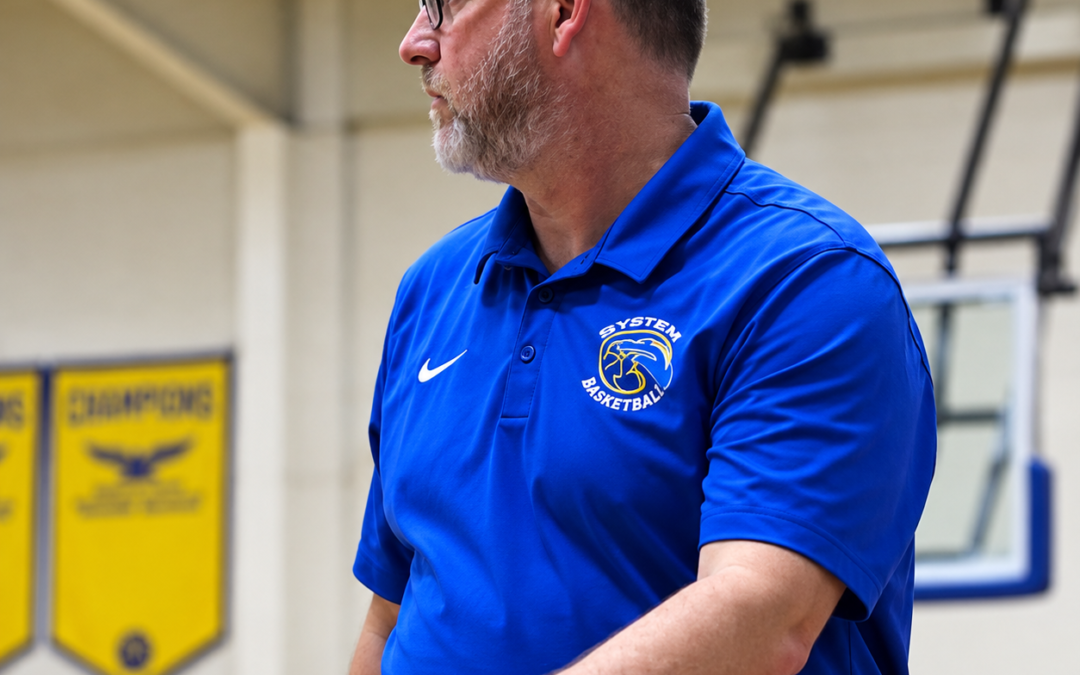
Marc Hart Is Building A Modern System For Teaching Basketball

Marc Hart Is Building A Modern System For Teaching Basketball

Marc Hart Has Spent 30 Years Studying Basketball Now He's Teaching Coaches How To Simplify It

Basketball coaches spend countless hours searching for the next offense, defensive scheme, drill or set play that might give their team an advantage.

Marc Hart has spent more than three decades looking at the game differently.

Instead of asking coaches to collect more plays, Marc Hart wants them to understand how everything fits together.

That philosophy has become the foundation of System Basketball, the coaching education platform Hart founded in 2020 after decades of coaching, studying and experimenting with the game. 

Hart's journey has taken him through youth basketball, boys basketball and girls basketball while exposing him to concepts ranging from Princeton and Flex offenses to 5-Out basketball, Dribble Drive Motion and pressure defense. 

What makes Marc Hart interesting isn't simply the number of years he has coached.

It's what he has done with those years.


Why Marc Hart Matters

Marc Hart has turned decades of experience into a basketball education platform designed around one central objective: helping coaches build connected systems their players can actually understand.

System Basketball says thousands of coaches worldwide have used Hart's clinics, courses and resources, while its email community has grown beyond 14,000 coaches. 

The platform currently offers more than 200 coaching resources. 

Those numbers reveal something important.

Hart isn't simply coaching his own players anymore. He's helping educate other coaches who then take those concepts back to their own teams.


More Than 30 Seasons Of Basketball

Marc Hart's basketball education didn't happen overnight.

For the first 12 years of his coaching career, Hart says he experimented with different offensive systems while searching for better ways to teach his teams. 

Eventually, he committed heavily to Dribble Drive Motion.

Marc Hart began running the Dribble Drive Motion offense in 2008. 

His System Basketball biography says he has spent approximately 18 seasons refining those concepts into a broader offensive and defensive system. 

His coaching accomplishments also include being named a CIF Coach of the Year in 2010. 

But Hart didn't stop evolving after finding something that worked.

That's important.

Too many coaches become prisoners of their own success. 

They discover a system, win with it and spend the next 20 years defending it.

Marc Hart continued studying.


System Basketball Becomes The Bigger Mission

In 2020, Marc Hart founded System Basketball, transforming years of accumulated coaching knowledge into an educational platform.

The material now extends far beyond Dribble Drive Motion.

System Basketball covers 5-Out concepts, 4-Out/1-In basketball, Princeton principles, ball screens, modern offensive actions, pressure defense, zones, pressing systems, player development, practice planning and film study.

The System Basketball Framework ties those concepts together through principles including spacing, creating gaps, paint touches, decision-making, finishing, shooting and pressure defense. 

That distinction matters.

Hart isn't telling every coach to run Marc Hart's offense.

He's teaching coaches how to construct something that works for their players.


Teaching Players To Think

This may be the most important part of Marc Hart's philosophy.

Basketball isn't played on a whiteboard.

Coaches can diagram the perfect possession, but once the basketball is tipped, players have to read defenders, recognize advantages and make decisions in fractions of a second.

Hart's approach puts considerable emphasis on those decisions.

In August 2026, Marc Hart explained his offensive thinking with a wonderfully simple answer when another coach asked what offense he runs.

His answer was essentially this: score!!!

Hart's point was that an offense is a tool rather than the ultimate objective. 

If players can create an excellent scoring opportunity quickly, there is little reason to run offense simply for the sake of running offense. 

That sounds simple.

Teaching players to actually play that way isn't.


Marc Hart Is Still Evolving

Another reason Marc Hart belongs in the Movers & Shakers conversation is that his story isn't finished.

In August 2026, after approximately 30 years in coaching, Hart wrote about beginning his first experience as a classroom teacher while simultaneously coaching, working with basketball players and operating System Basketball. 

That development fits perfectly with his basketball philosophy.

Teaching requires organization. 

Coaching requires organization. 

Player development requires organization.

All of it requires a system.

Hart has also written about the deeper responsibility coaches carry beyond wins and championships. 

In discussing the development of one of his players, he described watching increased confidence become something larger than basketball. 

That's coaching.


Al Woods Perspective

I've always believed the best basketball people never stop learning.

Marc Hart represents that philosophy.

Thirty-plus seasons could easily convince someone they already know enough. Instead, Marc Hart continues studying, teaching, experimenting and changing.

That's what caught my attention.

Basketball continues to evolve. 

Spacing changes. 

Offensive actions change. 

Defensive strategies change. 

Player development changes.

Coaches have two choices.

Evolve with the game or eventually watch the game pass them by.

Marc Hart clearly intends to keep evolving.


What Basketball Coaches Can Learn

The biggest lesson from Marc Hart isn't that everyone should run Dribble Drive Motion, 5-Out basketball or pressure defense.

It's that coaches should understand why they're doing what they're doing.

Your offense should connect to your personnel. 

Your player development should connect to your offense. 

Your defense should reflect your philosophy. 

Your practices should prepare players for the decisions they'll encounter during games.

Everything should connect.

That's a system.


Conclusion

Marc Hart has spent more than 30 seasons coaching basketball, but his impact increasingly reaches beyond his own sideline.

Through System Basketball, clinics, courses, film breakdowns, coaching resources and direct instruction, Marc Hart has turned decades of basketball experience into information other coaches can use.

The game doesn't need coaches collecting another hundred plays.

It needs teachers capable of helping players understand basketball.

Marc Hart has built the next chapter of his career around doing exactly that.


Author/Byline

By Al Woods | Woods Recruiting

Al Woods is a former high school, college and professional basketball player and the founder of Woods Recruiting. 

Drawing from decades around the game as a player, evaluator and independent scout, Woods covers the coaches, trainers, educators, grassroots leaders and basketball innovators whose influence often extends far beyond the scoreboard. 

Through the Woods Recruiting Movers & Shakers series, he highlights the people whose teaching, leadership and commitment are helping shape the future of basketball.