G-LSG24L9FDK
Keniya Todd Emerging Two-Way Combo Guard Talent

Keniya Todd Emerging Two-Way Combo Guard Talent

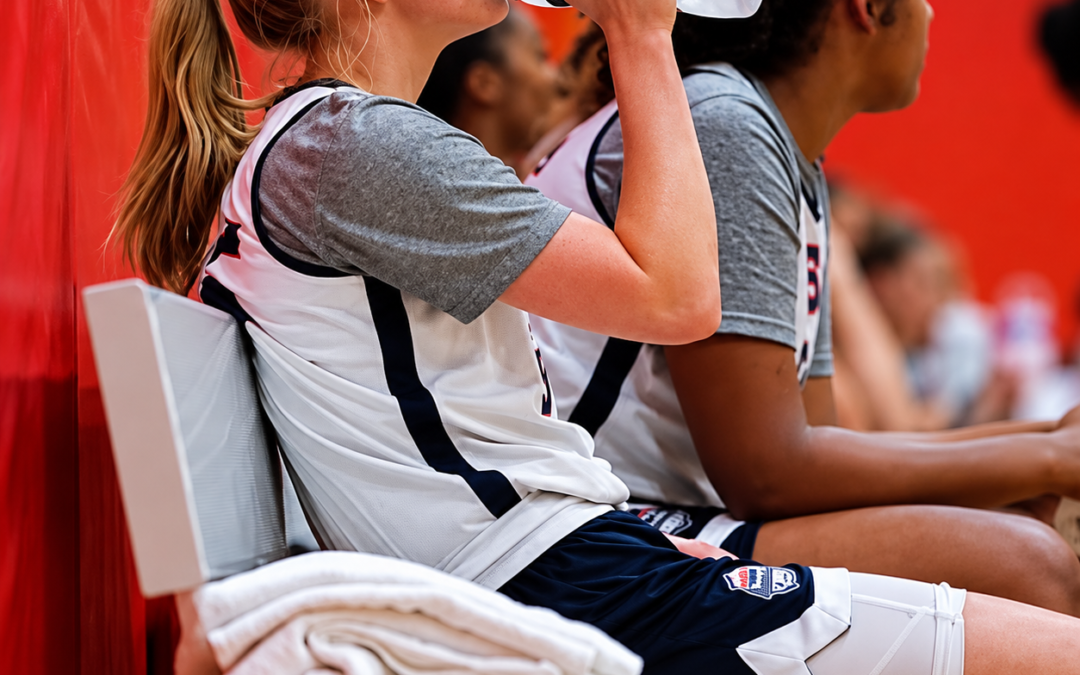
Keniya Todd is a 5’11” combo guard from Peoria Richwoods High School in Illinois, representing the Class of 2028 and competing on the girls basketball stage with Example Sports UAA 17U Wolfpack. 

A Closer Look At Tomorrow’s Rising Stars

Keniya Todd

Anna Wohler

Demi Holman


Keniya Todd brings a versatile and evolving skill set that immediately stands out due to her size, positional flexibility, and natural feel for the game. 

She has the ability to impact multiple areas offensively and defensively, making her a valuable piece in both structured and up-tempo systems. 

Todd shows confidence handling the ball in pressure situations while also demonstrating the ability to play off the ball effectively. 

Her length and athletic profile allow her to create mismatches against smaller guards while still maintaining the quickness to compete on the perimeter. 

As a developing prospect, Keniya Todd continues to refine her decision-making and consistency, but her upside is clear. 

She competes with energy, embraces physical play, and shows flashes of high-level potential that will continue to grow with experience. 

With continued development, Todd projects as a multi-dimensional guard capable of contributing at the next level in a variety of roles.


Offensive Skill Evaluation
Keniya Todd displays versatility as a combo guard, scoring off the dribble and in transition. She handles pressure well, creates separation, and shows touch around the rim while continuing to develop consistency from the perimeter.


Defensive Evaluation
Keniya Todd uses her length and athleticism to disrupt passing lanes and contest shots. She moves well laterally, defends multiple positions, and competes with energy, showing strong potential as a reliable perimeter defender.


Basketball IQ
Keniya Todd demonstrates a solid understanding of spacing, timing, and offensive flow. She makes smart reads in transition and half-court sets while continuing to improve decision-making under pressure and recognizing defensive rotations consistently.


Intangibles
Keniya Todd competes with confidence and toughness, bringing consistent effort on both ends. She embraces physical play, supports teammates, and shows a willingness to learn, reflecting strong character and a team-first mentality.


Areas for Improvement
Keniya Todd can improve her perimeter shooting consistency and decision-making in tight situations. Continuing to develop her off-hand finishing and strengthening her frame will enhance her ability to handle physical defenders effectively.


Final Evaluation
Keniya Todd is a promising Class of 2028 combo guard with size, versatility, and two-way potential in the girls basketball landscape. 

Her ability to impact the game as both a scorer and defender gives her long-term upside. 

As she continues to develop consistency in her shooting and sharpen her decision-making, Todd’s value will rise significantly. 

With her work ethic and physical tools, she projects as a guard capable of competing at higher levels with continued progression.

Anna Wohler Smart Decision Maker Under Pressure

Anna Wohler Smart Decision Maker Under Pressure

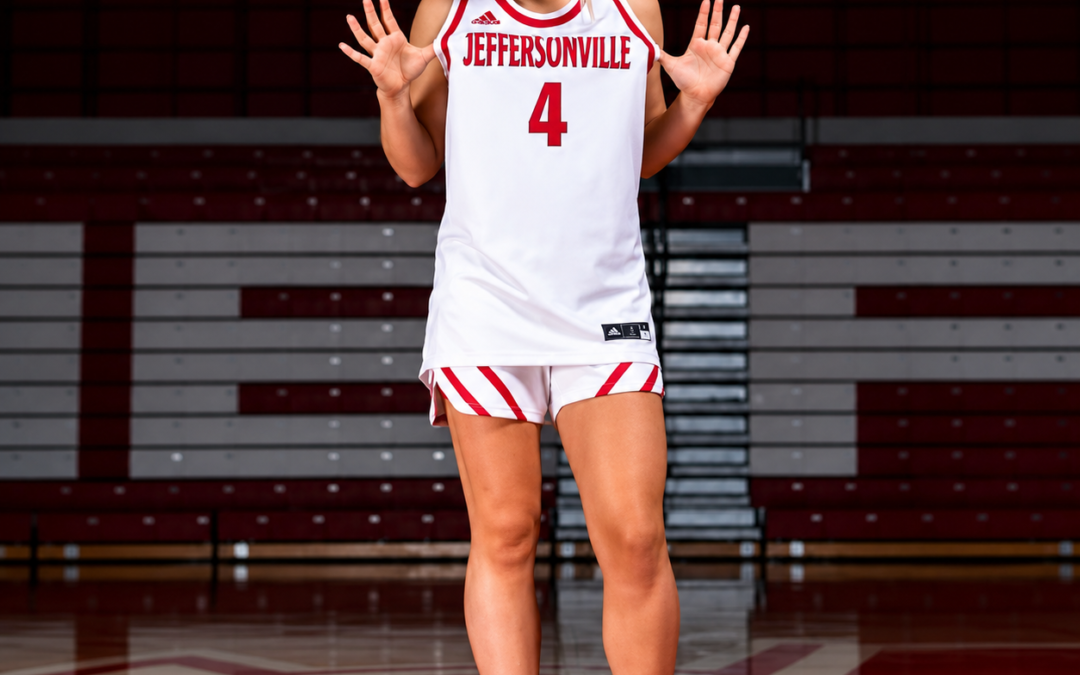
Anna Wohler is a poised and intelligent point guard from James W. Robinson Secondary School in Fairfax, Virginia, representing the Class of 2027. 

A Closer Look At Tomorrow’s Rising Stars

Keniya Todd

Anna Wohler

Demi Holman


Standing at 5’5, she blends academic excellence, carrying a 4.33 GPA, with a high-level feel for the game while competing with Team Attack 17U. 

Wohler is the definition of a true lead guard, consistently controlling tempo, valuing possessions, and putting teammates in positions to succeed. 

Her tight handle and ability to read defenses allow her to navigate pressure and initiate offense with confidence. 

She excels as a passer, maintaining a strong assist-to-turnover ratio while demonstrating patience and precision in half-court sets. 

Defensively, she brings energy, discipline, and awareness, applying consistent ball pressure and competing with toughness. 

Wohler’s leadership is evident through her communication, composure, and ability to organize teammates on both ends of the floor. 

She approaches the game with a team-first mindset and strong work ethic, constantly seeking improvement. 

Balancing athletics with a demanding academic load, Wohler shows maturity beyond her years, positioning herself as a promising guard with long-term collegiate upside.


Offensive Skill Evaluation
Anna Wohler is a steady floor general with a tight handle, strong passing instincts, and efficient decision-making. She controls tempo, limits turnovers, and creates opportunities for teammates while showing the ability to score when needed.


Defensive Evaluation
Anna Wohler competes defensively with toughness and awareness, applying pressure on opposing guards. She anticipates passing lanes, stays disciplined in positioning, and consistently brings effort, making her a reliable perimeter defender.


Basketball IQ
Anna Wohler displays advanced basketball IQ, reading defenses and making quick, effective decisions. She understands spacing, timing, and game flow, allowing her to control pace and consistently put teammates in advantageous positions.


Intangibles
Anna Wohler brings leadership, composure, and a team-first mentality. Her strong work ethic, communication, and competitiveness stand out, along with her ability to stay poised under pressure and elevate teammates on and off the court.


Areas for Improvement
Anna Wohler can continue developing scoring versatility, particularly creating her own shot against length. Improving strength and finishing through contact, along with extending shooting range, will further elevate her overall offensive impact.


Final Evaluation
Anna Wohler is a high-IQ point guard who impacts winning through leadership, decision-making, and consistency. 

She excels at controlling tempo, facilitating offense, and limiting mistakes, making her a valuable floor general. 

Her defensive effort and competitiveness add to her overall effectiveness. 

As she continues to develop scoring aggression and physical strength, her ceiling rises. 

With her academic discipline and team-first approach, Wohler projects as a strong collegiate prospect with the ability to lead and contribute early.

Demi Holman Rising 2029 Guard Prospect

Demi Holman Rising 2029 Guard Prospect

Demi Holman, a 6’1” shooting guard from Park Center High School, is a member of the 2029 graduating class and one of the more intriguing young perimeter prospects in girls basketball. 

A Closer Look At Tomorrow’s Rising Stars

Keniya Todd

Anna Wohler

Demi Holman


Playing varsity since seventh grade, Holman has consistently proven she can compete against older, stronger competition while maintaining efficiency and composure. 

She also competes on the Nike EYBL circuit with Team Prime Nation, gaining valuable exposure against elite national talent. 

Academically, she carries a 4.0 GPA, reflecting discipline and balance off the court. 

Holman is known for her elite perimeter shooting, converting over 50% from three-point range, which immediately separates her as a high-level floor spacer. 

Her game is defined by length, poise, and a quiet confidence that translates into consistent production. 

She approaches the game with seriousness and focus, shaped by daily training alongside her father, who has been a major influence on her development. 

Coaches describe her as coachable, hardworking, and dependable. 

Holman’s combination of size, shooting touch, and maturity gives her a strong foundation to continue evolving into a complete two-way guard with long-term collegiate potential.


Offensive Skill Evaluation
Holman is an elite perimeter shooter with deep range and consistency, converting over 50% from three. She spaces the floor effectively, moves without the ball, and uses her length to shoot over defenders.


Defensive Evaluation
Holman uses her 6’1” frame and length to contest shots and disrupt passing lanes. She shows solid positional awareness and effort, with the potential to become a versatile defender guarding multiple perimeter positions.


Basketball IQ
Holman demonstrates advanced understanding of spacing, shot selection, and timing. She plays within the flow, rarely forces action, and processes the game calmly, making smart reads that contribute to efficient offensive and defensive execution.


Intangibles
Holman brings quiet confidence, discipline, and strong work ethic. Her coachability and consistent training habits stand out, while her composure under pressure reflects maturity beyond her years and a team-first approach to competition.


Areas for Improvement
Holman can continue developing her off-the-dribble creation and ball-handling under pressure. Improving lateral quickness and physical strength will enhance her defensive versatility and ability to finish through contact in traffic.


Final Evaluation
Demi Holman is a high-upside shooting guard with elite perimeter shooting ability and strong foundational traits. 

Her size, efficiency, and experience against high-level competition make her a valuable prospect in the 2029 class. 

With continued growth in ball-handling, strength, and defensive versatility, she has the potential to evolve into a complete two-way guard. 

Her work ethic, academic excellence, and composure position her well for long-term success at the next level.

How Grades Can Impact Recruiting More Than Highlights

How Grades Can Impact Recruiting More Than Highlights

For student-athletes chasing the dream of playing college basketball, talent alone isn’t enough. 

Coaches across the country are not just evaluating jump shots, athleticism, or game film they are closely examining grades. 

Academic performance is often the first filter in the recruiting process, long before a coach invests time in scouting a player in person. 

A strong GPA signals discipline, accountability, and the ability to handle pressure, all traits that translate directly to success on the court.

Too many athletes underestimate how quickly poor grades can eliminate opportunities. 

College programs have academic standards they must follow, and coaches cannot afford to recruit players who may struggle to stay eligible. 

On the other hand, student-athletes who take academics seriously instantly separate themselves from the competition. 

Grades are more than numbers; they are a reflection of mindset and preparation. 

For those serious about playing at the next level, understanding the power of academics is the first step toward turning a dream into reality.

The College Dream: Balancing Academics And Athletics

Every student-athlete envisions competing at the collegiate level, but few fully understand what it takes to get there. 

While highlight tapes and performance matter, academics sit at the center of every recruiting decision. 

College coaches are responsible for building programs that succeed both athletically and academically, and that starts with recruiting players who can handle both.

Grades are often the first checkpoint. 

Before a coach watches full game film or attends a live event, they want to know one thing: can this player qualify academically? 

If the answer is no, the recruiting process usually stops there. 

This reality makes it clear basketball may open the door, but academics determine whether you can walk through it.

The Impact Of Grades On College Opportunities

Grades can make or break a student-athlete’s chances of playing at the next level. Most colleges have strict GPA requirements, and those standards are not flexible. Coaches simply cannot take risks on players who may become academically ineligible.

Here’s how grades impact opportunities:

  • First Cut Factor: Many athletes are eliminated before evaluation due to GPA alone
  • Eligibility Requirements: NCAA and college standards must be met to compete
  • Limited Recruiting Pool: Lower grades reduce the number of schools that can recruit you
  • Risk Assessment: Coaches avoid players who may struggle academically

A player may average 20 points per game, but if their grades don’t meet the standard, opportunities disappear quickly. This isn’t personal it’s practical. Programs need reliable student-athletes who can stay eligible and contribute long-term.

Grades + Ability = The Ultimate Advantage

When a student-athlete combines strong academics with high-level basketball ability, they become extremely valuable. This combination tells coaches everything they need to know about a player’s character.

Student-athletes with strong grades show:

  • Discipline and consistency
  • Strong time management skills
  • Ability to handle pressure
  • Commitment to long-term goals

These traits translate directly to performance on the court. Coaches trust players who take care of their responsibilities off the court because it often reflects how they prepare and compete.

Even more important, these athletes attract more opportunities. Schools compete for them because they represent low risk and high reward. Scholarships, exposure, and long-term development all increase when academics match athletic talent.

Realistic Consequences Of Poor Grades

The impact of poor grades goes far beyond missed recruiting opportunities. It can shape the entire trajectory of a student-athlete’s life.

When grades fall short:

  • Recruiting options shrink dramatically
  • Scholarship opportunities disappear
  • Junior college or prep routes may become the only option
  • Career flexibility becomes limited

Without access to college athletics or education, many athletes are forced to take paths they never envisioned. Financial stability, career growth, and overall quality of life can all be affected.

On the flip side, student-athletes who prioritize academics create multiple pathways. Even if basketball doesn’t lead to a professional career, education provides long-term security and opportunity.

Shifting The Mindset: How To Succeed As A Student-Athlete

Success as a student-athlete requires a mindset shift. Academics must be treated with the same importance as training, games, and development.

Here are key strategies:

  • Prioritize Time Management: Schedule study time just like practice
  • Use Academic Resources: Tutoring, study halls, and teacher support matter
  • Stay Organized: Keep track of assignments and deadlines
  • Build a Support System: Coaches, teachers, and family can hold you accountable
  • Develop Consistency: Daily habits lead to long-term success

The most successful athletes understand that discipline off the court fuels performance on it. When academics become part of the routine, balance becomes achievable.

Closing Statement 

At the end of the day, grades are one of the most powerful tools a student-athlete has in the recruiting process. 

They don’t just determine eligibility, they shape opportunity, perception, and long-term success. 

Coaches are not simply recruiting talent; they are investing in individuals who can represent their program in every area. 

Strong academics signal reliability, maturity, and the ability to handle the demands of college life.

For student-athletes, the message is clear: you can’t separate basketball from academics if your goal is to play at the next level. 

Every assignment, every test, and every semester contributes to your future just as much as every workout or game. 

The players who understand this early gain a major advantage over the competition.

If the goal is to earn a scholarship, gain exposure, and build a future beyond the game, grades must be a priority. 

Talent may get attention, but academics create lasting opportunities. 

When you combine both, you put yourself in position to succeed not just in recruiting but in life.

How To Ask College Coaches The Right Questions: 35 Must-Ask Questions For Basketball Recruits

How To Ask College Coaches The Right Questions: 35 Must-Ask Questions For Basketball Recruits

At some point in the recruiting journey, every high school basketball player will sit down with a college coach. 

Whether it’s a head coach, assistant, or recruiting coordinator, that moment carries real weight. 

What you say and more importantly, what you ask can shape how you’re evaluated beyond your performance on the court.

College coaches are constantly evaluating prospects. 

It’s not just about scoring, athleticism, or stats. 

They’re watching how you interact with teammates, how you respond to coaching, your body language during games, and how engaged you are on the bench. 

Every detail matters because recruiting decisions can impact a program for years.

One of the most overlooked ways to separate yourself is by asking strong, thoughtful questions. 

When you come prepared, you show maturity, confidence, and a genuine interest in finding the right fit, not just any opportunity.

Think of every conversation with a coach like a job interview. 

You’re not only being evaluated, you’re also gathering information to make one of the biggest decisions of your life. 

The right questions help you understand the program, while also leaving a lasting impression.

Here are 35 essential questions every basketball recruit should be ready to ask.

Basketball Program & Coaching Style

Understanding how a program operates on the court is critical to your development and fit.

  • What style of play does your program emphasize?
  • What qualities do you value most in a player at my position?
  • How do you develop players over a four-year career?
  • What are your expectations for incoming freshmen?
  • What does a typical practice look like?
  • How do you approach offseason development?
  • What is your overall coaching philosophy?
  • How do you help players transition from high school to college basketball?
  • What role do you see me playing in your system?
  • What are your expectations for leadership and team culture?

These questions show you’re thinking about long-term growth, not just immediate playing time.

Academics & Support System

Basketball is only part of the equation. Coaches want players who take academics seriously.

  • What academic support services are available for athletes?
  • How do players balance basketball and school responsibilities?
  • What majors are most common among your players?
  • What is your team’s graduation rate?
  • What happens if a player struggles academically?
  • Are study halls or tutoring required?
  • How do you support career development outside of basketball?
  • What are your academic expectations for athletes?
  • Are there internship opportunities available?
  • How do you help players stay on track to graduate?

These questions signal discipline, responsibility, and long-term thinking traits coaches value highly.

Recruiting Process & Scholarships

Understanding how recruiting works can help you make smarter decisions.

  • What does your recruiting timeline look like?
  • How many players are you recruiting in my class?
  • What is the process for earning a scholarship?
  • Are scholarships guaranteed for four years?
  • What happens if a scholarship player gets injured?
  • Does playing time affect scholarship status?
  • What role do walk-ons have in your program?
  • What are the next steps in your process with me?
  • How often do you communicate with recruits after offering?
  • What mistakes do recruits commonly make?

This section shows you’re serious about understanding the business side of college basketball.

Team Culture & Player Lifestyle

Fit goes beyond basketball and academics it’s about daily life.

  • What is a typical day like for a player in your program?
  • What are the living arrangements for athletes?
  • How do players stay connected with family?
  • What is team chemistry like?
  • How do you help players adjust to college life?

These questions help you picture yourself in the program and show coaches you care about the full experience.

Why Asking Questions Matters

Asking strong questions does more than give you answers it separates you. Many recruits show up unprepared or rely on parents to speak for them. When you take control of the conversation, it immediately elevates how coaches view you.

It shows:

  • Confidence
  • Maturity
  • Basketball IQ
  • Genuine interest in their program

Coaches want players who are invested, coachable, and serious about development. The way you communicate plays a major role in that evaluation.

Preparation is everything. Don’t wait until you’re sitting across from a coach to think about what to say. Study the program, understand your goals, and come ready with questions that matter.

Closing Summary 

The recruiting process is about more than talent it’s about fit, preparation, and communication. 

When you ask thoughtful, well-structured questions, you show coaches that you’re serious about your future both on and off the court. 

These conversations are opportunities to stand out, build relationships, and gather the information needed to make the right decision. 

Every interaction matters, and being prepared gives you an edge over other recruits. 

Take control of your recruiting journey by asking the right questions, showing maturity, and approaching every conversation with confidence. 

That’s how you separate yourself and position yourself for long-term success.

Pin It on Pinterest