G-LSG24L9FDK
Trenton Coley Crafty Guard With Upside

Trenton Coley Crafty Guard With Upside

Trenton Coley is a 6’2, 172 pound combo guard from Jonesboro High School in Arkansas, Class of 2028. 

Wearing #12, he plays both point guard and shooting guard, giving his team flexibility in the backcourt. 

Coley has a natural rhythm to his game, operating comfortably in structured sets or open floor situations. 

His blend of size, ball skills, and competitiveness makes him one of the more intriguing young guards in his class.


Strengths:
Coley handles pressure well and makes smart reads in ball screen situations. He can create his own shot off the dribble and has confidence shooting from the perimeter. His mid-range game is polished, and he finishes effectively around the rim. Defensively, he competes hard, slides his feet, and uses his frame to guard multiple positions. He rebounds well for a guard and pushes tempo in transition.


Areas to Improve:
He must continue refining his three point consistency and extend his range. Adding strength will help him absorb contact and finish at a higher rate. Developing stronger vocal leadership will elevate his overall impact.


Projected Role:
Coley projects as a combo guard who can initiate offense, score in secondary actions, and defend either backcourt spot at the college level. His versatility makes him valuable in multiple systems.


For More Information
X platform formerly known as Twitter
Full Scouting Report


Trenton Coley Crafty Guard With Upside

Trenton Coley Controls Tempo And Attacks

Trenton Coley is a 6’2, 172-pound guard from Jonesboro High School in Jonesboro, Arkansas, Class of 2028. 

Wearing #12, Coley projects as a true combo guard who can initiate offense at the point or slide over to the shooting guard spot and score in bunches. 

He plays with pace and poise beyond his years, showing a mature understanding of when to attack and when to facilitate.

Coley’s offensive game is built around his ability to handle the basketball under pressure. 

He changes speeds effectively, keeps defenders on his hip, and creates separation with sharp footwork. 

He is comfortable operating in ball screens, reading the help defender, and delivering timely passes to shooters or bigs rolling to the rim. 

As a scorer, he can knock down perimeter shots off the catch and the dribble. 

His mid-range pull up is reliable, and he has the body control to finish through contact in traffic.

Defensively, Coley competes. 

At 6’2 with a solid frame, he has the length and strength to guard either backcourt position. 

He moves his feet well laterally and anticipates passing lanes, turning defense into transition opportunities. 

His rebounding from the guard position also adds value.

College Projection: Mid to high Division II with Division I upside if his strength and shot consistency continue to progress. His size, skill set, and feel give him legitimate next level potential.


Evaluation Summary: Trenton Coley combines positional size, ball handling control, and scoring instincts with competitive defensive effort. His feel for the game and versatility translate well to the college backcourt. Continued physical and skill growth will determine his ceiling.


Key Development Areas:
Improving three point shooting consistency.
Adding lean muscle to handle physical defenders.
Becoming more vocal and commanding as a floor general.


Long-Term Outlook: I believe Trenton Coley has the talent and work ethic to develop into a highly productive college guard and a program changer at the next level.

West Virginia Class Of 2027 Girls Basketball Standouts Ignite Recruiting Attention

West Virginia Class Of 2027 Girls Basketball Standouts Ignite Recruiting Attention

West Virginia continues to build its reputation as one of the nation’s most talent‑rich hotbeds for girls basketball. 

The Class of 2027 is loaded with dynamic athletes who combine skill, athleticism, and competitive fire, giving coaches and scouts plenty to be excited about. 

From Morgantown to Greenbrier East, players are stepping up and making huge impacts on both ends of the floor, putting West Virginia on the map year after year for producing high‑level hoops talent. 

These 10 standouts represent the best of the best in the state’s 2027 class, each bringing a unique blend of scoring ability, versatility, defense, and leadership. 

The future of West Virginia girls basketball is bright with these names leading the way. 

They are the ones drawing college attention, inspiring teammates, and setting new standards for excellence that younger generations will chase. 

Talent like this doesn’t happen everywhere, and West Virginia’s next wave is ready to leave its mark.


Kayli Kellogg Morgantown High School is a savvy scoring guard with an impressive floor presence and ability to attack off the bounce, creating offense for herself and teammates while making key defensive plays in pressure moments.


Jeriyah Pryor George Washington High School ignites her team with quickness and ball handling, blending scoring instincts with court vision to dominate at the point and make critical plays down the stretch.


Ava Workman Greenbrier East High School brings dynamic scoring and relentless energy, showcasing a smooth offensive game that includes tough drives, reliable jump shots, and impactful defensive pressure as a leader on the floor.


Jaycelyn Sammons Wayne High School stands out with her clutch shooting and solid all‑around skillset, making a consistent impact in every game while elevating her team’s overall performance.


Mya Dunlap James Monroe High School has emerged as a poised playmaker with excellent decision‑making and scoring versatility, blending aggressiveness with smart basketball IQ on both ends.


Rayana Breckenridge George Washington High School combines strength and finesse inside, dominating the paint with rebounding and interior scoring while anchoring the defense with blocked shots and physical presence.


Brynn Bulluck St. Marys High School makes plays with her athleticism and court awareness, consistently impacting games with timely buckets, tenacious defense, and leadership that lifts her teammates.


Brenna Nelson Morgantown High School brings versatility and toughness, using her size and skill to score in the post, defend multiple positions, and make big plays when her team needs them most.


Frances Guice Parkersburg High School is a quick guard with a high basketball IQ, creating offense with smart drives, sharp shooting, and disruptive defense that keeps opponents on their heels.


Izzy Knotts Philip Barbour High School anchors the frontline with strong rebounding and interior scoring, providing physicality on both ends and consistently battling for possessions that shift momentum.


Closing Conclusion 

The Class of 2027 in West Virginia girls basketball is stacked with elite prospects who are already turning heads at the state and regional level. 

These 10 players exemplify the blend of talent, work ethic, and competitive grit that defines West Virginia’s rising stars. 

From high IQ guards who run the offense with poise to powerful frontcourt players who control the paint, this group reflects a deep pool of future collegiate‑level athletes. 

Their individual skills and team‑first attitudes make them exciting to watch and project far into their careers. 

College coaches looking for dynamic contributors will find plenty to like in this class, and fans should expect to see these names in heavy rotation on highlight reels and state tournament stages. 

With commitment to constant improvement and love for the game, these young women are building a legacy that will uplift the entire basketball community in West Virginia for years to come.

How Helicopter Parents Can Derail Recruiting Opportunities

How Helicopter Parents Can Derail Recruiting Opportunities

Basketball is demanding enough on its own. 

Young athletes juggle practices, games, conditioning, and skill development, all while trying to perform at a high level. 

Add parents who are constantly hovering, and the pressure multiplies. 

Helicopter parents are always nearby listening in on team huddles, watching every drill, questioning every decision. 

What’s intended as support can quickly become a distraction.

College coaches notice. 

They evaluate not only the athlete but also the family dynamic. 

Parents who dominate conversations, intervene too often, or demand constant updates can unintentionally create red flags. 

In some cases, programs will step back rather than deal with a disruptive dynamic.

The best approach is balance. 

Parents who provide administrative support, manage logistics, and encourage without overstepping create a healthier environment. 

Athletes need room to make mistakes, solve problems, and grow. 

Confidence, independence, and focus flourish when players are trusted to navigate challenges on their own. 

In basketball, as in life, the lessons learned when parents step back can be just as valuable as the skills learned on the court.

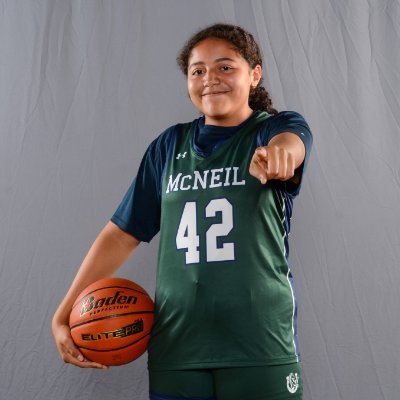
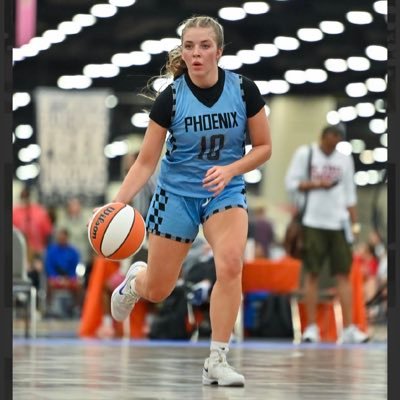
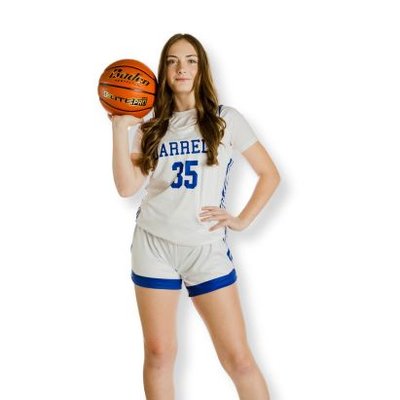
Emma Hawkins: Emma Hawkins thrives when given space to manage her game. Her focus, court awareness, and decision-making improve when she is allowed to process coaching without constant parental oversight, showing maturity on and off the court.


Avery Billotte: Avery Billotte excels when trusted to take responsibility. Her skill development and competitive mindset benefit from constructive coaching rather than hovering guidance, allowing her to handle pressure situations confidently and demonstrate leadership among teammates.


Rhegan Kent: Rhegan Kent’s growth is strongest when given autonomy. Allowing her to apply coaching instructions without interference sharpens her scoring, defense, and court IQ, reinforcing her independence and readiness for college-level competition.


Jordann Oakland: Jordann Oakland’s confidence rises when parents step back. Her shooting, movement, and on-court awareness show consistent improvement as she learns from mistakes, embraces challenges, and grows under structured mentorship.


Sophie Konrad: Sophie Konrad thrives when she can focus without distraction. Her versatility, defensive intensity, and basketball IQ strengthen when given freedom to learn, develop, and adjust to coaching, highlighting the importance of autonomy in athlete growth.


Conclusion 

Parents play a vital role in their athlete’s journey, but over-involvement can be a roadblock. 

Constantly hovering, interjecting, or monitoring every move can create tension, reduce confidence, and distract from the game. 

Basketball requires focus, resilience, and independence skills that cannot develop under constant supervision.

College recruiters are acutely aware of family dynamics. 

Teams often view overbearing parents as a potential disruption, which can affect recruitment decisions. 

Athletes who are trusted to make mistakes, problem-solve, and take ownership of their development often perform better and demonstrate leadership.

The key is supportive involvement. 

Parents who handle logistics, provide encouragement, and step aside at the right moments allow players to breathe. 

They create an environment where athletes can grow mentally, physically, and emotionally. 

Freedom to learn from errors, respond to coaching, and take accountability builds confidence and prepares players for higher-level competition.

Successful basketball student-athletes understand the value of independence and constructive guidance. 

Parents who resist the urge to hover foster resilience, focus, and self-reliance. 

Giving space is not neglect it is strategic support. 

When young athletes are allowed to thrive on their own terms, they reach higher levels, embrace challenges, and lay the foundation for success in basketball and beyond.

Why Coachable Basketball Players Actively Seek Out Mentors

Why Coachable Basketball Players Actively Seek Out Mentors

Emma Hawkins, Avery Billotte, Rhegan Kent, Jordann Oakland, and Sophie Konrad represent a generation of basketball student-athletes full of potential, ambition, and unanswered questions. 

Like so many young players coming through middle school and high school gyms, they are still learning what it truly takes to grow, improve, and prepare for the next level. 

Talent matters, but guidance matters more.

Basketball is not a game you figure out alone. 

These young ladies are still developing mentally, physically, and athletically. They do not know everything, and they are not supposed to. 

That is where mentors enter the picture. 

Coaches who understand the game, who have been through the grind, who have seen success and failure firsthand. 

Real mentors provide structure, accountability, and clarity when the game feels overwhelming.

The most important ingredient in a young player’s development is coachability. 

Are you willing to listen. 

Are you willing to be taught. 

Are you open to instruction, feedback, and correction. 

Constructive criticism is not an attack. 

It is a gift. 

Players who resist it often stall their growth, not only on the court but later in life as well.

Mentors help players understand what they are doing right and what needs work. 

They guide training habits, decision making, conditioning, and mindset. 

They teach discipline, confidence, and how to respond when things are not going well. 

Without that guidance, many athletes drift, repeating mistakes and wondering why progress feels slow.

Emma Hawkins, Avery Billotte, Rhegan Kent, Jordann Oakland, and Sophie Konrad are reminders that development is a process. 

The players who seek out strong mentors and commit to being coached give themselves a real chance to maximize their potential, both in basketball and beyond.

Emma Hawkins benefits from structured coaching and clear instruction. Her attention to detail, defensive awareness, and willingness to learn show a player who understands growth comes from guidance. She responds well to feedback and continues improving through consistent mentorship and accountability.


Avery Billotte thrives in environments where coaching and leadership matter. Her discipline, toughness, and preparation reflect a player who listens, absorbs instruction, and applies it. She values mentorship and uses coaching feedback to impact games beyond scoring.


Rhegan Kent’s confidence and scoring ability are sharpened through repetition and coaching. She is receptive to correction and embraces development. Her growth shows what happens when talent meets mentorship, structure, and a willingness to be coached hard.


Jordann Oakland’s shooting and competitiveness are elevated through guidance and trust in coaching. She listens, adjusts, and competes with purpose. Her progress reflects a player who understands that consistency and mentorship drive long-term success.


Sophie Konrad brings effort, versatility, and IQ shaped by strong coaching. She values instruction, defends with intent, and plays within structure. Her development highlights how mentorship helps players find clarity, confidence, and the right basketball path.


Conclusion 

For Emma Hawkins, Avery Billotte, Rhegan Kent, Jordann Oakland, and Sophie Konrad, the lesson is clear. 

Basketball success is not just about skill or exposure. 

It is about guidance, accountability, and being willing to learn. 

Mentorship shapes how players respond to adversity, criticism, and competition.

Too many young athletes struggle because they try to navigate the process alone. 

They avoid hard coaching. 

They resist feedback. 

They confuse correction with negativity. 

That mindset limits growth. 

Players who refuse to be coached often struggle not only in basketball but later in life, where listening, adapting, and learning are essential.

Mentors provide perspective. 

They help players understand where they truly stand, what needs improvement, and what steps come next. 

They help young athletes avoid costly mistakes and wasted years. 

Coaches who have experience know what college programs value, what habits translate, and what standards must be met.

Coachability is a separator. 

The players who succeed are not always the most talented. 

They are the ones willing to be taught. 

Willing to be uncomfortable. 

Willing to hear the truth and apply it. 

That willingness opens doors.

Emma Hawkins, Avery Billotte, Rhegan Kent, Jordann Oakland, and Sophie Konrad show why mentorship matters. 

Their continued development depends on strong coaching relationships and a commitment to growth. 

Basketball is a long journey with many twists, but no one reaches their potential without guidance.

Seek out mentors. 

Trust coaches who know the game. 

Ask questions. 

Accept correction. 

Let experience guide your path. 

The players who do will not only become better basketball players, they will become better prepared for life beyond the game.

Pin It on Pinterest