G-LSG24L9FDK
Rising Stars Of New Jersey Basketball

Rising Stars Of New Jersey Basketball

The class of 2027 from New Jersey is stacked with extraordinary girls basketball talent that’s capturing national attention and opening doors to Division I programs across the country. 

These athletes possess rare skill, poise and upside, earning heavy recruiting attention from top coaches and colleges. 

The spotlight is shining bright on each of them with tremendous exposure on the AAU circuit, high‑level tournaments, and state playoffs. 

This level of visibility and buzz is where every aspiring student‑athlete wants to be, proving they’re rising stars not just in New Jersey but on the national stage as a new generation of elite ballers.


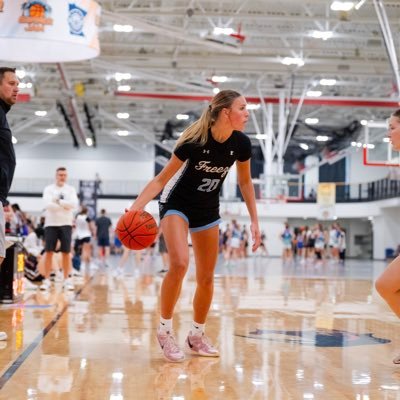
Aleah Sunkins attends Franklin High School and has emerged as one of New Jersey’s most dynamic wings with smooth scoring, physical defense and a high IQ on the floor, attracting serious interest from high‑major programs while dominating in big games with her versatility and competitive fire.


Jacqueline Edelman at Morris Catholic High School is a lethal scorer and savvy guard whose ability to create shots and lead under pressure has coaches and scouts buzzing, earning her major exposure on both the Adidas and Nike circuits and a deep watch list from Division I schools across the country.


Brooke Stagliano of Paul VI High School blends court vision with clutch shooting and leadership instincts, making her a go‑to guard in tight moments, and her performance in state‑level play has amplified recruiting interest and showcases her readiness for the next level.


El‑Anita Joe‑Samuel from Lenape High School stands out as a versatile forward with length, strength and shot‑making ability, catching the eye of scouts at national events and carving a reputation as a matchup nightmare with her blend of physicality and finesse.


Lola McGonigle at Lenape High School has impressed with her tough defense, motor and ability to impact every phase of the game, earning her recognition at elite showcases and building a recruiting profile that continues to grow with each standout performance.


Addy Platt of Gill St. Bernard’s High School is a sharp‑shooting wing with an innate feel for spacing and tempo, making plays at all three levels while drawing consistent attention from college coaches looking for a high‑level competitor with strong offensive polish.


Angelie Pacheco from Trenton High School combines athleticism and scoring instinct, erupting for big outputs in key games and catching the eye of evaluators for her ability to finish through contact and make timely plays in fast‑paced basketball environments.


Emily Torres at Red Bank Catholic High School is a tough, multi‑faceted guard whose quick decision‑making and defensive intensity have made her a standout in the Shore Conference, boosting her recruiting profile with consistent excellence on both ends.


Chloe Romano of Manasquan High School has carved out buzz for her smooth scoring stroke and competitive nature against elite competition, making plays that matter and earning respect from opponents and college scouts alike for her clutch contributions.


Zoe DiMartino from Haddonfield Memorial High School stands out for her athleticism and ability to impact the game as a ball‑handler and defender, translating her club success into increased recruiting visibility and building momentum toward a high‑major future.


Closing Statement
These New Jersey 2027 standouts are redefining what elite prep girls basketball looks like in the Garden State. 

Their combination of skill, work ethic and competitive spirit has put them squarely on the national radar with significant recruiting momentum. 

College coaches are watching closely, offers are coming in, and each game they play adds to their growing resumes. 

For fans of the sport, this group represents the future of women’s basketball, and the exposure they’re receiving now sets the stage for big college careers. 

Keep an eye on these names, because big moments and bigger opportunities lie ahead.

The Mindset Of Champions Effort Discipline And Consistency

The Mindset Of Champions Effort Discipline And Consistency

Winning in basketball doesn’t happen by accident. 

It starts with a mindset setting goals, putting in the work, and committing to improvement every single day. 

Players who reach the highest levels understand that talent alone won’t carry them. 

Success is earned in the gym, on the court, and in the classroom. 

Every workout, every drill, every film session adds up, building the foundation for consistent performance and team success.

Goal setting is the roadmap to achievement. 

Players who define clear, measurable objectives can track progress, stay motivated, and push past obstacles. 

Whether it’s improving shooting percentage, defensive positioning, or basketball IQ, deliberate focus turns effort into results. 

Coaches notice those who are intentional about their growth, because these athletes show discipline, resilience, and a willingness to embrace challenges.

In today’s recruiting landscape, understanding what college coaches want is more important than ever. 

Coaches are looking for players who combine skill with basketball intelligence, effort, and a team-first mentality. 

They value consistency, decision-making, and the ability to perform under pressure. 

The modern game of recruiting has also shifted with the rise of the transfer portal. 

Exposure, versatility, and adaptability matter more than ever, as opportunities can change quickly. 

Players need to understand how to showcase their skills, communicate effectively with coaches, and stand out in a crowded landscape while maintaining strong grades and character.

At the end of the day, winning is about more than stats. 

It’s about preparation, focus, and a relentless work ethic. 

The players who rise to the top are those who commit to excellence in every aspect of their lives on the court, in the classroom, and in the community. 

They embrace the grind, respect the process, and always aim higher.

Finley Chastain: Finley is a relentless competitor who values discipline, effort, and basketball IQ. She impacts games through smart decision-making, defensive responsibility, and execution. Coaches trust her in high-pressure situations because of her preparation and team-first mindset.


Belle Hill: Belle brings energy, toughness, and accountability to every game. She excels in the details—rebounding, defense, and momentum-changing plays. Her focus and consistency demonstrate a winning mentality, earning trust from coaches who value effort and commitment.


Kennedy Deese: Kennedy sets the tone on both ends of the floor with her physicality and effort. She competes consistently, impacts games without forcing stats, and shows reliability that college coaches value in players who lead by example.


Payton Day: Payton creates winning opportunities through leadership, efficiency, and smart decision-making. She elevates teammates, values possession basketball, and remains poised in pressure situations. Her understanding of game flow makes her a trusted presence on the court.


Jayla Forbes: Jayla’s consistency, resilience, and attention to detail define her game. She embraces the grind, prepares meticulously, and does what the team needs. Coaches see her as dependable, committed, and ready to contribute immediately at the next level.


Conclusion 

The path to basketball success is paved with dedication, focus, and a commitment to excellence. 

Players who understand that winning requires consistent effort stand out at every level. 

It’s not about flashy plays or stat lines it’s about preparation, execution, and doing the little things that help your team succeed. 

Every practice, every drill, and every game is an opportunity to improve, learn, and demonstrate your commitment. 

Players who embrace this mindset become leaders, influencers, and game-changers on the floor.

Goal setting remains the cornerstone of progress. 

Clear, measurable objectives allow athletes to track growth, stay motivated, and focus on what matters most. 

Players who combine short-term goals with long-term vision build the habits and discipline necessary to reach college, and eventually, professional opportunities. 

Coaches notice when athletes are intentional about their development, displaying maturity, accountability, and resilience in challenging moments.

In today’s recruiting landscape, players must adapt to a rapidly changing environment. 

The transfer portal has shifted the game, making exposure, versatility, and consistent performance even more critical. 

College coaches now evaluate athletes on skill, effort, decision-making, and character, looking for those who can contribute immediately and handle pressure situations. 

Strong grades, leadership, and a team-first approach have never been more important.

Ultimately, the athletes who succeed are those who embrace the process and commit to growth in all areas of their lives. 

Winning is a habit, cultivated through work ethic, preparation, and mental toughness. 

Players who prioritize consistency, understand the game, and lead by example are the ones college coaches trust and teams rely on. 

The journey is challenging, but those who dedicate themselves fully to improvement, learning, and competition will find themselves in positions to achieve success both on and off the court.

Why Winners Get Recruited The Mindset College Coaches Demand

Why Winners Get Recruited The Mindset College Coaches Demand

Winning is a lifestyle, not a stat line. 

In basketball, college coaches are not just recruiting skill. 

They are recruiting mindset, habits, and competitors who understand what it truly takes to win. 

Winning shows up in the way a player prepares, how they respond to adversity, and how committed they are to doing the little things when no one is watching.

The best basketball student athletes think about winning constantly. 

Not just on game day, but in the classroom, in the weight room, and during individual workouts. 

Winning means sprinting back on defense, making the extra pass, talking on rotations, and embracing tough roles that may never show up on a box score. 

College coaches love players who impact winning beyond points.

This is where athletes like Finley Chastain, Belle Hill, Kennedy Deese, Payton Day, and Jayla Forbes separate themselves. 

They understand that winning basketball is built on consistency, discipline, and accountability. 

They bring a winning attitude into every environment they enter, whether it is practice, school, or competition.

Winning also means being coachable. 

It means accepting feedback, making adjustments, and trusting the process even when things are not going your way. 

College coaches look for players who can handle pressure, stay composed, and lead through action.

Stats fade. 

Film remains. 

Habits last forever. 

Players who embrace winning as a mindset put themselves in position to succeed at the next level. 

When a student athlete commits to winning in all aspects of basketball life, they become exactly what college programs are searching for.

Finley Chastain is a winning-focused competitor who impacts games through effort, discipline, and basketball IQ. She values execution, spacing, and defensive responsibility. Her commitment to preparation and team success makes her the type of player college coaches trust in meaningful minutes and high-pressure situations.


Belle Hill brings a winning edge built on toughness, energy, and accountability. She embraces doing the small things that change momentum, from rebounding to defensive effort. Her approach reflects an athlete who understands that winning basketball is about sacrifice, focus, and consistent effort every possession.


Kennedy Deese plays with a winning mindset rooted in physicality, effort, and reliability. She sets the tone with her presence and competes on both ends of the floor. College coaches value her ability to impact games without forcing action or chasing stats.


Payton Day understands how winning is created through efficiency, leadership, and decision-making. She stays poised, values possession basketball, and elevates teammates. Her maturity and understanding of game flow make her a trusted presence in competitive environments.


Jayla Forbes embodies winning habits through consistency, resilience, and attention to detail. She commits to preparation and embraces the grind. Her willingness to do what the team needs reflects a player college coaches view as dependable and program-ready.


Closing Conclusion 

Winning is not accidental. 

It is built through habits, mindset, and a daily commitment to excellence. 

In women’s basketball, the players who earn opportunities at the college level are often the ones who understand this truth early. 

They stop chasing stats and start chasing impact.

College coaches recruit winners because winners bring stability to a program. 

They show up prepared. 

They handle adversity. 

They elevate culture. 

A winning mindset means valuing defense, communication, effort, and accountability just as much as scoring. 

It means understanding that success is earned through repetition and discipline.

Finley Chastain, Belle Hill, Kennedy Deese, Payton Day, and Jayla Forbes represent what happens when talent meets intention. 

Each player approaches the game with a clear understanding of what winning requires. 

Their habits, preparation, and competitive spirit translate beyond high school basketball and into college environments.

Winning also extends beyond the court. 

Classroom performance, time management, and personal responsibility all matter. 

College coaches want student athletes who can balance demands and still perform at a high level. 

Winning in life creates winning on the floor.

For every basketball student athlete chasing the next level, the message is simple. 

Think about winning every day. 

Train with purpose. 

Compete with edge. 

Embrace roles. 

Do the little things relentlessly. 

When winning becomes your identity, college coaches take notice.

Basketball rewards those who commit fully. 

Those who live the winning mindset put themselves in position not just to get recruited, but to thrive once they arrive.

Why Student Athletes Who Set Daily Goals Separate From The Pack

Why Student Athletes Who Set Daily Goals Separate From The Pack

Goal setting can be one of the most powerful habits a basketball student athlete ever develops. 

Talent matters, but direction matters more. 

Without clear goals, effort becomes random. 

With goals, every workout, every class, and every rep has purpose. 

In women’s basketball, the athletes who rise are the ones who know exactly what they are working toward each day.

Goals do not have to be complicated. 

They can be as simple as putting up 500 game-speed shots in a day, locking in on ball-handling for 30 minutes, or committing to a consistent strength and conditioning routine. 

Academic goals carry just as much weight. 

Earning a specific GPA, improving test scores, or attacking the SAT or ACT with confidence are all part of the total athlete picture. 

Winning games, averaging a certain number of points, or chasing a season victory total are valid goals too, but they only happen when daily habits are handled first.

The real power of goal setting comes from repetition and review. Writing goals down gives them life. 

Reading them daily keeps them active. 

Reviewing goals in the morning, again during the day, and once more before bed allows them to settle into your mindset. 

Your brain continues working on those goals even when you are resting. That focus compounds over time.

Student athletes who set goals develop discipline, clarity, and confidence. 

They know why they are in the gym. 

They know why they are in the classroom. 

Goals create accountability, and accountability creates results. 

Those who commit to the process usually find themselves ahead of those who never defined a target.

Finley Chastain sets intentional goals that guide her daily development. Whether it is shot volume, skill refinement, or academic focus, she attacks each objective with consistency. Her ability to stay disciplined and track progress shows a player who understands that improvement is built through clear targets and daily commitment.


Belle Hill uses goal setting as fuel for growth. She breaks her development into manageable pieces, focusing on skill work, conditioning, and performance benchmarks. Her competitive mindset and attention to detail reflect an athlete who knows success is earned through structured preparation and holding herself accountable every day.


Kennedy Deese approaches her game with purpose and measurable goals. From physical play to rebounding production and classroom expectations, she sets standards and works relentlessly to meet them. Her consistency and toughness come from knowing exactly what she needs to accomplish each time she steps on the floor.


Payton Day understands that goals bring clarity under pressure. She focuses on execution, leadership, and efficiency, using benchmarks to stay grounded. Her maturity and basketball IQ show a player who values preparation, reflection, and steady progress rather than chasing quick results or shortcuts.


Jayla Forbes commits to long-term growth through daily goals. She tracks her development, embraces repetition, and stays patient with the process. Her willingness to revisit goals and adjust them shows an athlete who understands that success comes from sustained effort, not overnight results.


Closing Statement 

Goals turn dreams into plans, and plans into action. In women’s basketball, the players who reach the next level are rarely the ones who relied on talent alone. 

They are the ones who defined clear targets and worked toward them consistently. 

Daily goals create structure. Long-term goals create vision. Together, they shape habits that separate serious student athletes from the rest.

The most successful players do not just set goals once and forget them. They revisit them often. 

They adjust when needed. 

They stay honest with themselves about effort and execution. 

Setting a target date adds urgency, and urgency creates focus. When goals are reviewed daily, they become ingrained. 

Confidence grows because preparation is no longer accidental.

College coaches value athletes who understand this process. 

They look for players who manage their time, balance academics, and take ownership of their development. 

Goal-driven athletes show maturity. 

They know how to handle adversity because they already have a plan when challenges arise.

Finley Chastain, Belle Hill, Kennedy Deese, Payton Day, and Jayla Forbes each reflect what happens when goal setting meets discipline. 

Their approach to development shows intention, accountability, and belief in the process. 

These are traits that translate well beyond high school basketball.

For every student athlete reading this, the message is simple. Write your goals down. Read them daily. 

Chase them relentlessly. 

Whether it is in the gym, the classroom, or competition, goals give your work meaning. 

Those who commit to clear targets and consistent effort put themselves in position to succeed, not just in basketball, but in life.

Pressure Builds Champions In Women’s Basketball

Pressure Builds Champions In Women’s Basketball

Failure can feel like a crushing blow for basketball student athletes at every level. 

Missed shots, tough losses, injuries, and setbacks test more than physical ability. 

They test mindset. 

In women’s basketball, the truth is simple. 

You are not going to win every game. 

You are not going to dominate every matchup. 

You will face adversity that forces you to decide who you really are.

What separates champions from everyone else is how they respond when things do not go their way. 

Winning matters, but learning from losing is what forges elite competitors. 

Every setback is a lesson. 

Every loss exposes areas that must be addressed in the gym, in film study, and in personal accountability. 

The players who rise understand that failure is not permission to fold. It is fuel.

The road is demanding. 

There will be bumps, bruises, sore muscles, and moments of doubt. 

That is part of the game. 

The best players accept it, push through it, and refuse to make excuses. 

They show up anyway. 

They compete anyway. 

They commit anyway.

These five young ladies embody that mindset. 

They bring determination, grit, skill, and perseverance every time they step on the floor. 

They are not defined by one bad game or one tough stretch. 

They are defined by consistency, toughness, and an unwavering belief in their preparation.

College coaches notice that. 

They track players who respond to pressure, not players who avoid it. 

These athletes understand that adversity is part of the journey, and failure is never the final chapter. 

It is simply another step toward becoming champions.


Finley Chastain approaches every challenge with poise and confidence. She responds to adversity by sharpening her skills and elevating her leadership. Missed shots or tough losses never change her approach. Her ability to stay locked in, compete, and improve daily is what separates her from the pack.


Belle Hill thrives under pressure and refuses to let setbacks define her game. She attacks weaknesses with purpose, turning mistakes into motivation. Her competitive fire, scoring ability, and relentless work ethic show a player who understands that growth comes from embracing challenges, not avoiding them.


Kennedy Deese brings toughness and resilience to every possession. Physical play, contact, and adversity do not slow her down. She responds with effort, rebounding, and interior presence. Her willingness to do the hard work and stay consistent makes her the type of player coaches trust in big moments.


Payton Day shows maturity beyond her years when facing adversity. She processes the game, adjusts quickly, and stays composed under pressure. Her leadership, basketball IQ, and attention to detail prove she understands that failure is part of development and preparation is the ultimate answer.


Jayla Forbes continues to grow by attacking every setback head-on. She embraces coaching, commits to improvement, and stays patient through the process. Her steady development reflects a player who understands that resilience, repetition, and belief are required to reach the next level.


Closing Statement

Failure is part of basketball, but it is never an excuse. 

The players who reach the college level are not the ones who avoided adversity. 

They are the ones who faced it, learned from it, and came back stronger. 

Every elite athlete has experienced losses, injuries, and moments where quitting felt easier than continuing.

What matters is response. 

Champions respond with work. 

They respond with discipline. 

They respond by showing up early, staying late, and holding themselves accountable when no one else is watching. 

They understand that preparation is the only real confidence builder.

College coaches value toughness just as much as talent. 

They recruit players who compete through mistakes, accept coaching, and remain dependable when the game gets hard. 

Scholarships are earned by athletes who prove they can handle pressure, adversity, and responsibility both on the court and in the classroom.

These young ladies represent what it means to stay the course. 

They understand that setbacks are temporary, but habits are permanent. 

Their resilience is built through repetition, structure, and an unwavering belief in the process.

Women’s basketball rewards those who refuse to be defined by failure. The blueprint is clear. 

Learn from losses. 

Embrace discomfort. 

Stay consistent. 

Trust the work. 

Those who do will continue to rise, long after others fall away.

Failure may be part of the journey, but for the truly committed, it is never an option.

Built In The Gym And The Classroom What It Really Takes

Built In The Gym And The Classroom What It Really Takes

In women’s basketball, talent may open doors, but work ethic decides how far a player walks through them. 

Every athlete who dreams of playing at the highest level eventually learns the same lesson. 

There are no shortcuts. 

There are no overnight success stories. 

Becoming elite requires thousands upon thousands of hours spent in the gym, long before the spotlight ever finds you. 

It is early mornings, late nights, and an obsession with improvement that most people never see. 

Shots taken when no one is watching. 

Footwork drilled until muscle memory takes over. 

Fundamentals sharpened daily because elite players understand that details win games.

The grind does not stop at the baseline. 

If the goal is college basketball and a college degree, the classroom matters just as much as the court. 

Strong grades are not optional. 

Academic discipline is part of the evaluation process, and coaches want players they can trust to represent their programs the right way. 

Admissions standards are real, and opportunities disappear quickly for players who neglect that side of their development.

What separates the best from everyone else is consistency. 

Anyone can work hard for a week or a month. 

The top players commit for years. 

They embrace structure, coaching, accountability, and sacrifice. 

They understand that exposure comes after production, not before it. When preparation meets opportunity, doors open. 

Women’s basketball rewards those willing to invest fully in their craft, their education, and their personal growth. 

The path is demanding, but for those committed to the process, it is worth every rep, every study session, and every ounce of effort.

Finley Chastain continues to separate herself through relentless preparation, high-level skill work, and leadership habits that translate directly to winning. Her commitment to daily improvement in the gym and consistent academic focus reflect the discipline college programs demand from guards trusted to lead.


Belle Hill stands out by combining natural scoring ability with countless hours refining her shot, handle, and decision-making. Her approach to training shows a clear understanding that elite guards are built through repetition, attention to detail, and constant competition against top-level opponents.


Kennedy Deese brings a blue-collar mindset rooted in physical work, rebounding drills, and interior skill development. Her motor never stops, and that effort carries into the classroom, where accountability and structure support her long-term goal of earning a college opportunity.


Payton Day shows advanced maturity for her age through disciplined workouts, game study, and vocal leadership. She invests time mastering pace, angles, and defensive positioning, proving that high IQ guards are developed through preparation, not just natural ability.


Jayla Forbes has embraced the grind of developing footwork, timing, and touch to match her size advantage. Her steady progress reflects patience, coaching buy-in, and a willingness to put in the hours required to reach her full potential.


Closing Statement 

Work ethic remains the great equalizer in women’s basketball. 

Exposure, rankings, and social media attention come and go, but preparation never lies. 

The players who reach the college level and succeed once they get there are the ones who made daily sacrifices long before recruiting conversations began. 

They built habits in empty gyms, took pride in fundamentals, and treated academics as a non-negotiable part of their development.

These athletes understand that basketball is not just about highlights. 

It is about reliability, discipline, and trust. 

College coaches invest scholarships in players they believe will show up every day ready to work, compete, and represent the program with character. 

That trust is earned through consistency over time. Showing up early. 

Staying late. 

Taking coaching. 

Holding teammates accountable. 

Managing time between practices, workouts, and school responsibilities.

The journey to the top level is demanding, but it is also rewarding. 

Players who commit fully gain more than basketball opportunities. 

They earn access to higher education, life experiences, and personal growth that lasts well beyond their playing careers. 

The grind shapes confidence, resilience, and leadership.

Women’s basketball continues to grow because of athletes willing to invest in the process. 

The blueprint has never changed. 

Train relentlessly. 

Master the fundamentals. 

Take pride in academics. 

Compete with purpose. 

Those willing to do the work will always rise. 

The next level does not belong to the most talked-about players. 

It belongs to the most prepared ones. 

And for those who embrace the grind, the best chapters of their basketball story are still ahead.

Pin It on Pinterest