Joshua Blevins Scouting Report 2027 Mountain Pointe 6’10 Wing/Forward

Joshua Blevins Scouting Report 2027 Mountain Pointe 6’10 Wing/Forward

Joshua Blevins: 6’10” Class Of 2027 Mountain Pointe Wing/Forward

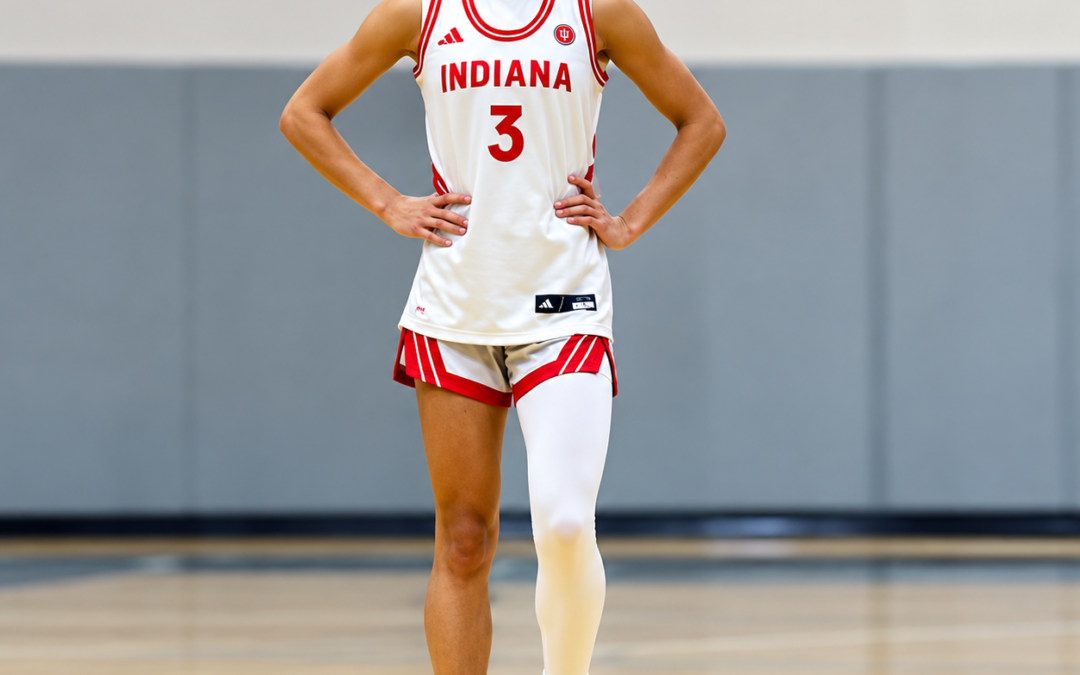
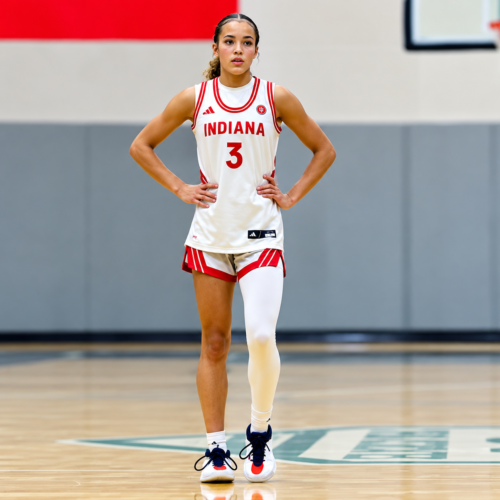
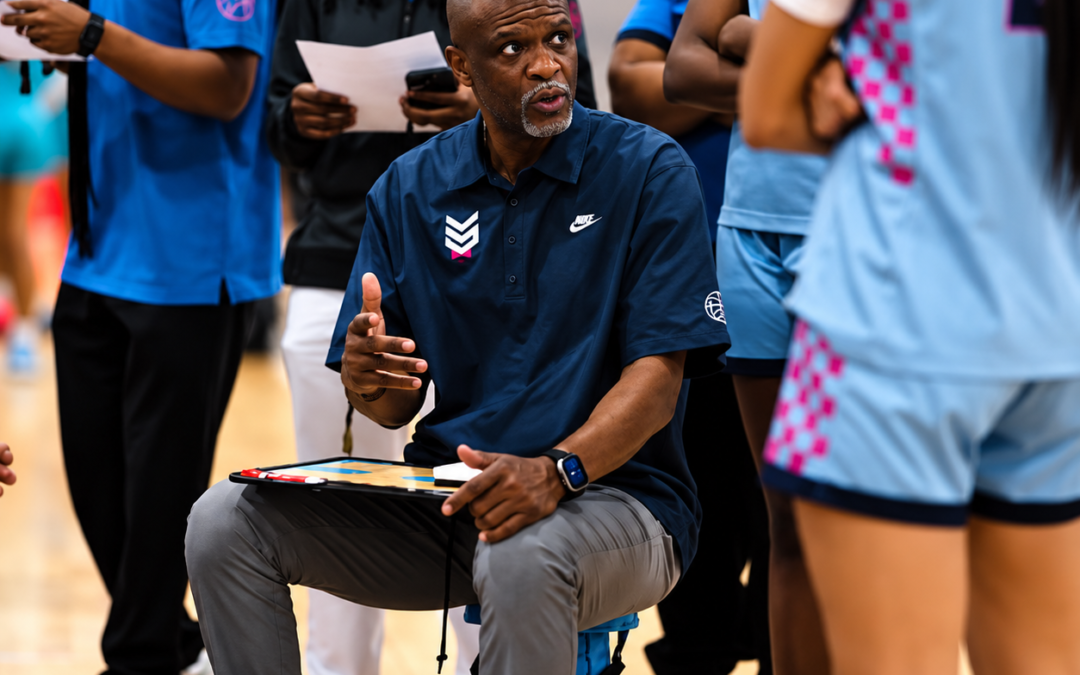
Joshua Blevins is a 6’10” Class of 2027 boys basketball prospect attending Mountain Pointe High School in Arizona, bringing exceptional size and intriguing positional versatility to the court.


Listed as a wing/forward, Blevins possesses the physical dimensions that immediately make him an interesting prospect for college basketball programs evaluating the 2027 recruiting class. 

At 6’10”, his ability to develop skills both around the basket and away from the paint could ultimately determine how high his recruiting ceiling becomes.

Blevins has the potential to create matchup problems because his size provides opportunities to contribute as a rebounder, interior presence, and frontcourt scoring option while his wing designation suggests versatility beyond a traditional post role. 

Continued development of his perimeter shooting, ball handling, footwork, strength, and defensive mobility could make him increasingly valuable against different styles of competition.

From a recruiting standpoint, Blevins is the type of young prospect college coaches should continue evaluating as his game develops. 

Players possessing legitimate size combined with potential positional flexibility are always worth tracking. 

His remaining high school development will be important, particularly as he works toward becoming stronger, more consistent, and capable of impacting games on both ends of the floor.

Player Information

Player: Joshua Blevins
Graduating Class: 2027
Height: 6’10”
Position: Wing/Forward (W/F)
High School: Mountain Pointe High School
State: Arizona
Country: USA
Sport: Boys Basketball


Evaluations


Offensive Skill Evaluation 

Blevins possesses intriguing size, scoring versatility, finishing potential, and developing perimeter skills creating matchup problems offensively.


Defensive Evaluation 

His length provides defensive versatility, rebounding potential, rim protection, and opportunities to disrupt opposing offenses consistently.


Basketball IQ 

Blevins shows developing court awareness while learning to maximize his size, positioning, versatility, and decision-making abilities.


Intangibles 

His combination of exceptional size, positional potential, versatility, and developmental upside makes him worth monitoring closely.


Areas for Improvement 

Continue developing perimeter shooting, ball handling, lateral quickness, physical strength, footwork, and consistent defensive intensity overall.


Projection

Joshua Blevins projects as an intriguing Class of 2027 college basketball prospect because 6’10” players with the potential to operate beyond traditional interior roles can provide significant lineup flexibility. 

His development over the next stage of his high school career will be critical. 

Improving his perimeter consistency, strength, mobility, and overall offensive polish could expand his positional versatility and strengthen his value to college programs seeking length and frontcourt flexibility.


Final Evaluation 

Joshua Blevins is an intriguing Class of 2027 prospect whose 6’10” frame and wing/forward versatility deserve continued college evaluation. 

His size creates opportunities as a rebounder, interior presence, defender, and developing offensive weapon. 

Continued improvement in shooting, ball handling, strength, mobility, and overall consistency could significantly elevate his recruiting profile. 

Blevins possesses developmental upside, and his progression at Mountain Pointe High School should make him a prospect college coaches continue tracking closely throughout his remaining high school career.

How Parents Can Help Basketball Players Make Better Recruiting Decisions

How Parents Can Help Basketball Players Make Better Recruiting Decisions

How Parents Can Help Athletes Make Better Recruiting Decisions

Parents can be one of the greatest resources a young basketball player has during recruiting or accidentally make an already complicated process even harder.

College recruiting involves emotion, expectations, money, academics, playing time, scholarships, coaches, distance from home, and basketball dreams. 

Somebody needs to help the athlete look beyond the excitement.

Recruiting Problem/Question

The question isn't simply, "Which school wants my child?"

The better question is, "Which opportunity actually makes sense?"

A recognizable college name means very little if the athlete doesn't fit the program academically, athletically, financially, or personally.

Strategy

Parents should become advisors rather than recruiting directors.

Help your athlete research programs, organize communication, ask difficult questions, and recognize legitimate opportunities. 

At the same time, allow the player to communicate with coaches and take ownership of the process.

College coaches are recruiting the athlete—not the parent.

Action Steps

Evaluate academics, cost, scholarship details, coaching stability, roster construction, positional needs, playing style, campus environment, and potential development.

Ask coaches where they realistically see the athlete fitting into their program.

Common Mistakes

Don't chase rankings, social-media hype, or Division I simply because it sounds impressive.

Another mistake is believing every recruiting message represents an offer.

Interest, evaluation, recruitment, roster opportunities, and scholarship offers are not necessarily the same thing.

Advice for Players/Parents

Have honest conversations early.

Parents should be supportive enough to encourage the dream but realistic enough to recognize when the recruiting strategy needs to change.

Sometimes the best opportunity isn't the biggest school.

It's the school that actually wants the athlete.

Conclusion

Good recruiting decisions require patience, research, communication, and honesty.

Parents don't need to control the process. They need to help their athletes understand it.

That guidance could ultimately prevent one bad recruiting decision from becoming four difficult college years.

Related Content:

How Parents Can Help Basketball Players Make Better Recruiting Decisions

Why High School Basketball Recruits Are Competing Against College Transfers

Questions Every Basketball Player Should Ask Before Entering the Transfer Portal

College Basketball Transfer Portal: Stop Chasing Greener Grass

Why High School Basketball Recruits Are Competing Against College Transfers

Why High School Basketball Recruits Are Competing Against College Transfers

Why High School Recruits Are Competing Against College Transfers

High school basketball recruiting has changed dramatically. A talented senior is no longer competing primarily against other high school seniors for college opportunities. 

He or she may also be competing against players who already have college experience.

Welcome to the transfer portal era.

Recruiting Problem/Question

Why would a college coach recruit an inexperienced freshman when an experienced college player may be available?

That is the uncomfortable question high school recruits need to understand.

A transfer may already understand college practices, strength programs, scouting reports, travel schedules, defensive systems, and the physical demands of college basketball.

Strategy

High school recruits must become harder to overlook.

That means developing skills, building legitimate relationships with college programs, maintaining strong academics, producing quality game film, and targeting schools where their abilities realistically fit.

Simply being talented isn't enough.

Action Steps

Start recruiting early. 

Research programs. 

Contact appropriate coaches. 

Keep coaches updated throughout your development. Build strong film and demonstrate improvement.

Most importantly, expand your recruiting options instead of becoming obsessed with one level.

Common Mistakes

Too many recruits chase Division I attention while ignoring Division II, Division III, NAIA, and junior college opportunities.

Meanwhile, transfer players are competing for available roster spots.

Waiting for coaches to magically discover you is not a recruiting strategy.

Advice for Players/Parents

Parents should help athletes remain realistic and organized. 

Don't measure recruiting success by social-media attention, rankings, or the size of a school's logo.

Measure it by real opportunities.

Conclusion

The transfer portal isn't going anywhere. High school recruits must understand the new competition and adjust accordingly.

Talent matters. 

Exposure matters. 

Academics matter.

But having a smart recruiting strategy matters more than ever.

Related Content:

How Parents Can Help Basketball Players Make Better Recruiting Decisions

Why High School Basketball Recruits Are Competing Against College Transfers

Questions Every Basketball Player Should Ask Before Entering the Transfer Portal

College Basketball Transfer Portal: Stop Chasing Greener Grass

Questions Every Basketball Player Should Ask Before Entering The Transfer Portal

Questions Every Basketball Player Should Ask Before Entering The Transfer Portal

Questions Every Basketball Player Should Ask Before Entering The Transfer Portal

The transfer portal can create opportunity, but it does not come with guarantees. 

Basketball players watching teammates transfer, receive offers, and announce new schools on social media can easily believe entering the portal automatically leads somewhere better. 

That assumption can become an expensive recruiting mistake.

Recruiting Problem/Question

Before entering the portal, ask yourself one uncomfortable question: Who actually wants me?

Not who might call. 

Not who followed you on social media. 

Which college programs have legitimate interest?

Players should also ask: Am I transferring because my current situation is truly wrong, or because I am frustrated about playing time?

Strategy

Treat transferring like a recruiting decision, not an emotional reaction. 

Evaluate your current scholarship situation, academics, basketball development, coaching relationship, eligibility, potential market value, and realistic level of play.

Understand what you could lose before chasing what you hope to gain.

Action Steps

Talk with your family and trusted basketball advisors. Evaluate your film honestly. 

Research programs that could realistically need your position. 

Understand applicable NCAA and conference rules, and never assume another scholarship is waiting.

Common Mistakes

The biggest mistake is believing the grass automatically gets greener.

Players sometimes overestimate their recruiting value, underestimate portal competition, or enter without enough legitimate interest. 

The portal contains experienced college players fighting for many of the same opportunities.

Advice for Players/Parents

Parents should encourage patience and honest evaluation. 

Players need people willing to tell them what they need to hear, not simply what they want to hear.

Conclusion

The transfer portal can provide a fresh start, but entering it should be a calculated decision. 

Before walking away from your current opportunity, make sure you understand exactly what you are risking.

Related Content:

How Parents Can Help Basketball Players Make Better Recruiting Decisions

Why High School Basketball Recruits Are Competing Against College Transfers

Questions Every Basketball Player Should Ask Before Entering the Transfer Portal

College Basketball Transfer Portal: Stop Chasing Greener Grass

College Basketball Transfer Portal: Stop Chasing Greener Grass

College Basketball Transfer Portal: Stop Chasing Greener Grass

The Transfer Portal Isn’t A Magic Door: Stop Gambling With Your College Basketball Career

Welcome to modern college basketball, where apparently every uncomfortable conversation, reduced minute, coaching disagreement, disappointing season, or bruised ego can be answered with two magical words:

Transfer Portal!!!

Not playing enough? Portal.

Coach demanding more from you? Portal.

Another player beat you for the starting job? Portal.

The offense isn't designed around you? Portal.

Somebody whispered that another school wants you? Pack the bags!

Everybody seems convinced the grass is greener somewhere else. 

Unfortunately, sometimes you jump the fence and discover there isn't any grass over there at all.

That's the part of the transfer-portal conversation we desperately need to start having.

Recruiting Problem/Question: What Happens When Nobody Wants You?

First, let's correct an important misconception. 

At the NCAA Division I level, this is no longer simply a "one free transfer" system. 

Under rules adopted in 2024, undergraduate student-athletes who satisfy academic and good-standing requirements can be immediately eligible at a new school regardless of whether they previously transferred.

For 2026, Division I men's and women's basketball also moved to a 15-day notification-of-transfer window beginning after their respective NCAA championship games.

More freedom? Absolutely.

A guaranteed landing spot?

Absolutely not.

That's where reality needs to slap some people across the face.

Entering the portal doesn't mean another coach is waiting outside your dorm with flowers, balloons, a scholarship and 30 minutes per game.

You are putting yourself back on the recruiting market. 

Coaches evaluate you against every other available player, their returning roster, incoming freshmen, other transfers, scholarship opportunities and roster needs.

You might discover your market value isn't remotely what somebody told you it was.

Then what?

Oops.

Strategy: Stop Making Emotional Decisions

My advice is simple: unless the situation has truly broken down, think long and hard before leaving.

I'm talking about serious circumstances—not "Coach yelled at me."

Welcome to competitive basketball.

Not "I'm coming off the bench."

Then become better than the player starting.

Not "I should be taking more shots."

According to whom? Your uncle sitting in Section 112?

Players and families need to separate legitimate reasons for transferring from frustration, impatience and fantasy.

There can absolutely be good reasons to transfer. 

Coaching changes, academic concerns, unhealthy environments, major role changes and other serious circumstances deserve consideration.

But transferring because somebody convinced you that you're too talented for your current situation can become one expensive lesson in humility.


Action Steps

Before entering the portal, ask yourself some uncomfortable questions:

  • Do I have legitimate interest from other programs, or am I guessing?
  • Have I honestly discussed my role with my current coaching staff?
  • Can I earn more playing time by improving?
  • How will transferring affect my degree progress and credits?
  • What happens if the offers I'm expecting never arrive?
  • Am I leaving a bad situation or running away from adversity?

That last question matters.

Common Mistakes: Believing Everybody Who Says You're Under-Recruited

Parents, players and handlers need to stop treating compliments like scholarship offers.

"You should be playing Division I."

Wonderful.

Which Division I coach offered?

"You could start somewhere else."

Excellent.

Where?

"You need to get out of there."

Okay. Who has the scholarship waiting?

Silence.

Amazing how quickly the room gets quiet.

Don't throw away something real because somebody sold you something imaginary.

Advice For Players And Parents

Remember why college matters.

Basketball is important. 

I spent enough of my life around this game to understand what competition means.

But education matters beyond the final buzzer.

NCAA data estimates only about 1% of men's NCAA basketball players and 0.8% of women's players are drafted into the NBA or WNBA.

Read that again.

Your degree could serve you for the next 40-plus years.

Basketball won't last forever.

So if you're receiving an education, progressing toward graduation, developing as a basketball player and surrounded by people invested in your future, don't casually throw that situation into the garbage because somebody convinced you paradise exists two states away.

Sometimes the grass isn't greener.

Sometimes the grass you're standing on simply needs watering.

Conclusion: Get Tough And Finish What You Started

The transfer portal isn't evil. Players deserve mobility, and some transfers genuinely change lives for the better.

But freedom to transfer doesn't eliminate consequences.

Young people need to understand something that extends far beyond basketball: every difficult situation isn't automatically a bad situation.

Sometimes you're supposed to struggle.

Sometimes you're supposed to compete.

Sometimes you're supposed to sit behind somebody better, work your tail off, improve and take the position.

That's life.

The working world isn't going to roll out a transfer portal every time your boss challenges you, somebody gets promoted ahead of you, or Monday morning becomes uncomfortable.

Get your education. 

Graduate. 

Become the best basketball player you can become. 

Build relationships. 

Develop discipline. 

Learn how to fight through adversity.

And before jumping into the portal because somebody promised greener grass, look down.

You might already be standing on it.

Related Content:

How Parents Can Help Basketball Players Make Better Recruiting Decisions

Why High School Basketball Recruits Are Competing Against College Transfers

Questions Every Basketball Player Should Ask Before Entering the Transfer Portal

College Basketball Transfer Portal: Stop Chasing Greener Grass