G-LSG24L9FDK
Mya Clark 6’2 Versatile Forward Shows Unlimited Potential

Mya Clark 6’2 Versatile Forward Shows Unlimited Potential

Mya Clark, a 6’2 multi-sport athlete from the Class of 2027, is a name you’ll want to remember. 

Competing for Team Durant 16U Blue Star 30, Mya brings a rare blend of size, versatility, and skill to the court that is uncommon for players her age. 

Her height immediately gives her an advantage in the post, but what truly sets her apart is her agility, footwork, and ability to impact the game on both ends of the floor. 

As a player, she’s eager to learn and improve, demonstrating strong coachability, an underrated and critical asset for long-term success.

Offensively, Mya shows flashes of dominance inside the paint while also displaying the potential to stretch her game beyond the key. 

Her rebounding ability allows her to control the glass on both ends, while her communication skills foster strong chemistry with teammates. 

Mya’s competitive spirit, combined with her love for the game, makes her an exciting prospect. 

Her academic focus is another reason why she’s the full package, committed both as a student and as an athlete.

As she continues to develop her perimeter game and refine ball-handling under pressure, Mya Clark has the potential to attract attention from mid-to-high major college programs in the near future.

Strengths 

  • Strong court awareness

  • Excellent rebounding ability

  • Great post presence

  • High basketball IQ

  • Communicates with teammates

  • Eager to improve

  • Good footwork fundamentals

  • Passionate about basketball

Areas for Improvement 

  • Develop perimeter shooting

  • Improve ball handling

  • Expand offensive versatility

  • Enhance defensive quickness

  • Strengthen passing accuracy

  • Increase scoring confidence

College Projection 

  • Mid-major Division I

  • Potential high-major upside

  • Strong academic prospect

  • Valuable team contributor

Conclusion Summary 

Mya Clark represents everything you look for in a rising basketball prospect, size, versatility, coachability, and academic focus. 

Her impact on the court is evident through her ability to dominate the paint, rebound at a high level, and effectively communicate with teammates. 

As she sharpens her perimeter game and tightens her ball-handling skills, her stock as a collegiate recruit will only rise. 

Mya’s attitude, work ethic, and passion for the sport make her an ideal fit for programs looking for student-athletes who embody excellence both on and off the court. 

The future looks bright for this standout from Team Durant.

Unique Basketball Recruiting Strategies That Actually Work

Unique Basketball Recruiting Strategies That Actually Work

Recruiting for college basketball is no longer just about playing on the top AAU team or being a five-star prospect from a big-city high school. 

Today, athletes from all walks of life, including late bloomers, players from small towns, and those without elite travel exposure, are finding ways to break into the recruiting conversation. 

With the evolving landscape of Name, Image, and Likeness (NIL) deals and the transfer portal, athletes have more control than ever over their own recruiting journeys. 

However, without a well-crafted and creative strategy, many talented players are left unseen.

In this guide, we explore some of the most unique, effective, and underused recruiting strategies that can make all the difference. 

Whether you’re a player, parent, or coach, these approaches offer ways to rise above the noise and get noticed by college coaches across all divisions, D1, D2, D3, NAIA, and JUCO. 

From smart social media tactics to leveraging academic strengths and mastering the DM game, these ideas are designed to give athletes an edge in one of the most competitive recruiting environments ever. 

If you’re serious about standing out and taking charge of your basketball future, read on. 

You’ll find actionable strategies that most athletes overlook—but that can transform your recruiting journey.

The “Late Bloomer” Blueprint

Many athletes hit their stride late in high school. If you’re a late bloomer, all is not lost, in fact, this can be an advantage. 

Coaches are always hunting for undiscovered talent they can develop.

  • Target D2, D3, NAIA, and JUCO programs who recruit based on growth potential.
  • Use your late development story as a hook in emails and calls with coaches.
  • Share measurable progress—stats, improved physical metrics, and testimonials from your trainers.

How to Get Recruited Without an AAU Team

Not playing for an elite AAU squad? You can still get noticed:

  • Create and maintain a workout Instagram or YouTube channel showcasing drills, progress, and game footage.
  • Play in exposure camps or smaller showcases where D2/D3 coaches scout heavily.
  • Email and DM coaches directly with tailored highlight reels and updates.

The Parent Playbook

Parents are often the secret weapon in the recruiting process. Here’s how they can help:

  • Build an email list of target college programs.
  • Write personalized, honest emails to coaches with stats, video links, and academic info.
  • Use LinkedIn and Twitter to connect with college coaches on behalf of your child.

Social Media Done Right

Social media can boost, or ruin, recruiting chances. Avoid looking desperate:

  • Post weekly clips from workouts, training sessions, and games.
  • Engage authentically with coaches’ posts (likes, comments, retweets).
  • Use the right hashtags: #BasketballRecruiting, #NCAAHoops, #NextLevelHoops.

DM Strategy: How to Message Coaches

Direct messaging can work, if done right:

  • Keep messages brief, professional, and respectful.
  • Include GPA, height/weight, position, and a link to your best highlight reel.
  • Follow up once every two weeks, politely.

The Hidden College Pipeline

D2, D3, NAIA, and JUCO schools offer real opportunities:

  • Many D3 and NAIA schools offer strong academics and play competitive basketball.
  • JUCO can be a stepping stone to D1 or a scholarship elsewhere.
  • Research and contact assistant coaches—they often handle recruiting.

DIY Highlight Tape That Works

A killer highlight tape doesn’t require pro editing:

  • Keep it under 3 minutes.
  • Start with your best 5 plays.
  • Use clear labels: your name, jersey number, position.
  • Show complete skills—shooting, defense, passing, hustle plays.

Walk-On to Scholarship

Walk-on athletes can earn scholarships:

  • Show up to open tryouts in shape and ready.
  • Build relationships with coaches and teammates.
  • Outwork scholarship players daily.

Small-Town Success

Coming from an unknown school? No problem:

  • Use local newspapers, blogs, and podcasts to build buzz.
  • Share those media links with coaches.
  • Attend regional showcases.

Leveraging NIL

NIL can raise your profile:

  • Build a personal brand (logo, tagline, social media presence).
  • Partner with small businesses in your area.
  • Highlight NIL deals or interest in your recruiting portfolio.

Bonus: Other Recruiting Tools You Can Sell or Use

  • Paid Scouting Reports
  • Recruiting Email Templates
  • “Recruiting Calendar” Subscription
  • Private Recruiting Coaching Calls
  • Done-for-You Highlight Tape Services
  • College Coach Contact Lists
  • Membership Communities for Families

Final Thoughts

In today’s basketball recruiting world, creativity and persistence often matter more than natural talent or high-level connections. 

You don’t have to be on the most famous AAU team or live in a big city to get noticed, you just need the right strategies and the discipline to apply them. 

Whether you’re late to the game, stuck in a small town, or lacking financial resources for expensive camps, there is a path forward.

By mastering the DM game, using social media wisely, and taking full advantage of under-the-radar opportunities like D2, D3, NAIA, and JUCO programs, you can carve out your own success story. 

Even walk-ons and overlooked role players have risen to scholarship athletes by grinding smarter, not harder.

The basketball recruiting process is changing. 

Adapt by controlling what you can, your effort, your exposure, your communication, and you will stand out in a crowded field. 

Remember: it’s not about being the biggest name right now; it’s about being the right fit for the right program. 

Use these strategies, stay patient, and watch the opportunities come your way.

What Is The Transfer Portal In College Basketball?

What Is The Transfer Portal In College Basketball?

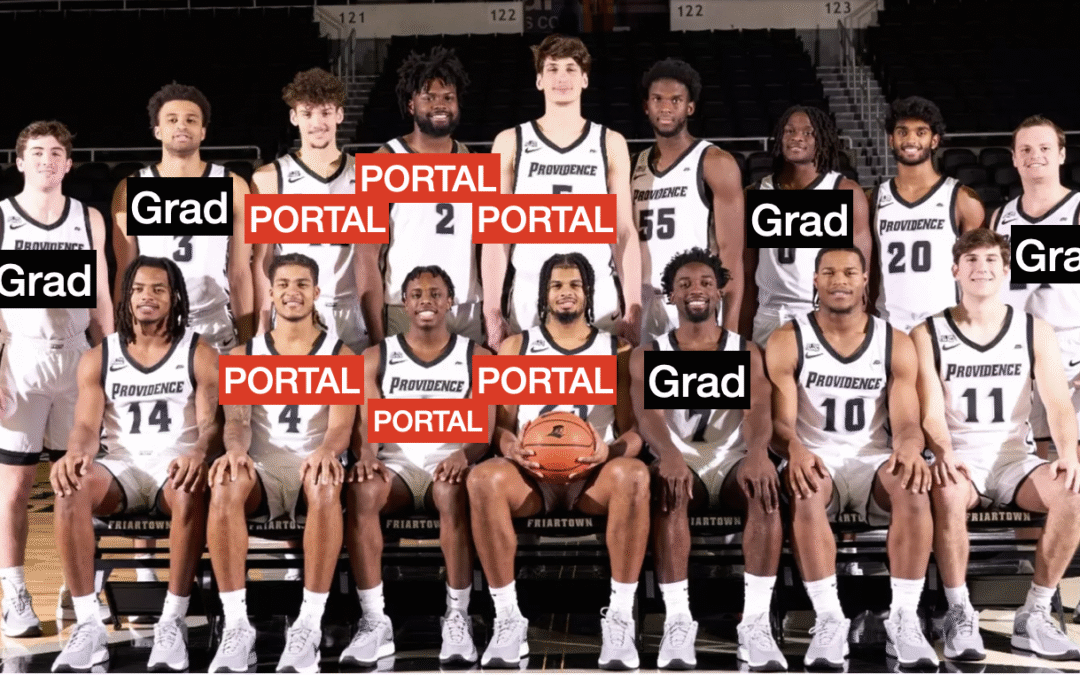
The college basketball landscape has dramatically changed since the introduction of the NCAA Transfer Portal in 2018. 

This tool has become a game-changer in recruiting, roster management, and player movement across all levels of college basketball. 

For high school athletes dreaming of earning scholarships, understanding this shift is crucial. 

In this article, we explore how the transfer portal works, its pros and cons, and what high school players can do to stay competitive in the new environment.

Understanding the NCAA Transfer Portal

The NCAA Transfer Portal is an online database where college athletes can declare their intention to transfer schools. 

Once a player enters their name into the portal, other programs are immediately allowed to contact and recruit them. 

Before 2018, athletes needed permission from their current coach to initiate this process. 

Today, players have more freedom, but this has also intensified the competition for available roster spots.

Why the Transfer Portal Changed Recruiting

Prior to the portal’s launch, most college programs built their teams through recruiting high school seniors. 

Now, many coaches prefer proven college-level players from the portal instead of untested freshmen. 

This creates new challenges for high school athletes looking to earn scholarships.

Benefits of the Transfer Portal for College Programs

  1. Greater Athlete Freedom: Players stuck in bad fits or low playing time situations can seek better opportunities.
  2. Immediate Impact Players: Transfers often bring experience and can contribute right away, eliminating the long development period freshmen usually require.
  3. Second Chances: Athletes who were overlooked during high school recruiting get another shot to find the right college program.
  4. Better Program Fit: Players can now align themselves with systems and coaching styles that match their skills.
  5. Enhanced Competition: With more experienced players available, the overall skill level of college basketball rises.

Drawbacks of the Transfer Portal for High School Recruits

  1. Fewer Scholarships Available: Coaches now fill more roster spots with transfers, reducing chances for high school seniors.
  2. Roster Instability: Teams experience frequent turnover, hurting long-term chemistry.
  3. Less Player Development: Some programs are investing less time in developing freshmen.
  4. Uncertain Transfer Outcomes: Entering the portal does not guarantee a better opportunity; some players are left without a team.
  5. More Pressure on High School Athletes: With fewer spots available, high school prospects must work harder and stand out more than ever.
  6. Transfer Mistakes: Some players transfer only to realize the new situation is no better, or even worse, than the last.

How High School Recruits Can Adapt to the Transfer Portal Era

  1. Expand Your Options

High school athletes should consider more than just top NCAA Division I programs. 

Mid-majors, lower-division schools, junior colleges (JUCO), and prep schools offer legitimate paths to college basketball success. 

Exploring these alternatives could lead to better playing time and development.

  1. Increase Visibility

To stay on recruiters’ radars, players must:

  • Play in high-level AAU tournaments
  • Share highlight videos and game footage on social media
  • Attend elite camps and showcase events where college coaches gather
  1. Build Strong Coach Relationships

Forming relationships with college coaches is more important than ever. 

Regular contact with assistant coaches, who often drive recruiting decisions, can make a difference. 

Networking with high school and AAU coaches can also provide important recommendations to college staff.

  1. Develop Elite Skills and Basketball IQ

The more polished a high school player’s skill set, the more likely they are to win a scholarship over an experienced transfer. 

Athletes should focus on:

  • Refining fundamental basketball skills
  • Studying film to improve game understanding
  • Turning weaknesses into strengths with professional trainers
  1. Prioritize Academics

A strong academic record can make athletes more attractive to coaches who value eligibility and work ethic. 

Academic scholarships can also reduce the financial burden of college, making walk-on opportunities more feasible.

  1. Stay Patient and Persistent

High school recruiting is more unpredictable than ever. Players should:

  • Be resilient if offers don’t come right away
  • Continuously improve each season
  • Explore international professional leagues or development programs if college options are limited

The New Reality for High School Basketball Recruits

The NCAA Transfer Portal has permanently changed how college basketball teams build their rosters. 

High school athletes must adjust to this reality. Opportunities remain, but earning them now requires a smarter, broader, and more flexible approach.

Recruiting success will go to those who:

  • Broaden their college search
  • Market themselves effectively
  • Build lasting relationships with coaches
  • Constantly refine their game
  • Remain academically strong

While the competition has increased, so too have the paths to success. 

With careful planning, determination, and adaptability, high school players can still achieve their dream of playing college basketball.

Final Thoughts

The transfer portal is both a challenge and an opportunity. 

For high school basketball recruits, the key is to stay informed, keep improving, and never overlook alternative routes to college basketball. 

The landscape has shifted, but determined athletes can still carve out successful careers by embracing change and making smart, calculated moves in their recruiting journey.

 

Sutton Eldredge Rising Star Guard With Elite Scoring Ability

Sutton Eldredge Rising Star Guard With Elite Scoring Ability

Sutton Eldredge is a promising Class of 2027 guard standing at 5’11” with a versatile skill set that stands out both at Trinity Episcopal School and on the AAU circuit with West Virginia Thunder UAA. 

Eldredge possesses excellent size for her position, allowing her to create mismatches against smaller defenders. 

Her shot-making ability is one of her greatest strengths, with a smooth shooting stroke that extends comfortably beyond the three-point arc. 

She is equally effective at scoring off the dribble or spotting up, and her footwork enables her to navigate defenders and find her shot with ease.

Defensively, Sutton uses her length to disrupt passing lanes and contest shots, making her a reliable two-way player. 

She shows a natural feel for the game, making smart reads and delivering crisp, timely passes to open teammates. 

Her court awareness and basketball IQ are advanced for her age, and she plays with poise under pressure.

As she continues to develop, Sutton can benefit from improving her explosiveness on the drive and refining her ability to finish through contact against more physical defenders. 

With continued strength training and experience, her ceiling as a Division I prospect looks very promising. 

Coaches at the next level will appreciate her size, shooting, and basketball instincts.

Strengths 

  • Smooth shooting stroke

  • High basketball IQ

  • Versatile scoring ability

  • Excellent court vision

  • Strong defensive instincts

  • Great positional size

  • Reads defenses well

  • Poised under pressure

Areas for Improvement 

  • Increase finishing strength

  • Improve driving explosiveness

  • Enhance lateral quickness

  • Handle physical defenders

  • Expand post moves

  • Sharpen off-ball movement

  • Develop mid-range pull-up

  • Improve rebounding aggressiveness

Projection 

  • High-major Division I

  • Power Five potential

  • Elite guard prospect

  • Immediate college contributor

Conclusion 

Sutton Eldredge is developing into one of the most complete guards in the Class of 2027. 

Her size, skill set, and basketball IQ make her a top prospect with the potential to impact a Power Five program at the collegiate level. 

She has already demonstrated the ability to score efficiently from multiple areas on the floor while also contributing defensively. 

As she continues to grow physically and polish certain areas of her game, particularly driving strength and lateral agility, her stock will only rise. 

Sutton’s upside is undeniable, and college coaches should have her high on their recruiting radar going forward.

Taylor Ragland Dominant Inside Presence With Big-Time Upside

Taylor Ragland Dominant Inside Presence With Big-Time Upside

Taylor Ragland is an impressive 6’2″ Power Forward from Grafton High School in Yorktown, Virginia, and a key player for the YKS 17U AAU program. 

Her size, strength, and natural athleticism make her an immediate force in the post on both ends of the floor. 

Offensively, Ragland shows the ability to establish deep post position, using her frame to seal defenders and create scoring opportunities around the basket. 

Her rebounding instincts are excellent, giving her team multiple second-chance opportunities each game. 

She runs the floor well for her size, making her a valuable option in transition and fast break situations.

Defensively, Ragland is a shot-altering presence in the paint. 

She contests drives and disrupts post moves with her length and timing. 

She’s also capable of switching onto smaller players when necessary, although this area can continue to improve. 

As a young post player, she is steadily developing mid-range touch and footwork, which will elevate her offensive versatility. 

Taylor Ragland has tremendous upside and, with continued work on her perimeter skills and conditioning, she has the potential to become a scholarship-level collegiate player at a high level. 

Her physical tools and work ethic make her one to watch in the Class of 2026.

Strengths 

  • Strong post presence

  • Excellent rebounding instincts

  • Physical defensive force

  • Runs floor well

Areas for Improvement 

  • Improve mid-range shooting

  • Quicker defensive rotations

  • Develop ball handling

  • Enhance footwork consistency

Projection 

  • Mid-major Division One

  • Possible high-major potential

  • Defensive anchor prospect

  • Rebounding specialist upside

Conclusion Summary 

Taylor Ragland is a name to remember in the 2026 recruiting class. 

Standing 6’2″ with strength, size, and a developing skill set, Ragland has the foundation of a true post player at the next level. 

Her rebounding, defensive impact, and interior scoring are already at a high level for her age, and with continued improvement in areas like shooting and footwork, she could attract offers from strong mid-major and potentially high-major Division I programs. 

Ragland’s potential is undeniable, and her growth over the next two seasons will be crucial in determining how high her ceiling truly is.

Pin It on Pinterest