G-LSG24L9FDK
How Discipline Protects Your College Basketball Dreams

How Discipline Protects Your College Basketball Dreams

Every year, millions of basketball players chase college scholarships. 

They train relentlessly, travel for exposure, and compete in packed gyms hoping their moment arrives. 

Yet for many talented athletes, the opportunity never materializes. 

Talent alone is not enough.

Some players receive poor advice and follow the wrong path. 

Others neglect academics and find doors closed before they ever step on campus. 

Some struggle with coachability, resisting feedback that could elevate their game. 

Others make off court mistakes that overshadow their potential. 

Sometimes distractions, social media drama, or negative influences derail promising careers. 

In certain cases, over involvement from adults complicates relationships with coaches and programs.

The reality is simple. 

Everything matters. 

Coaches recruit character as much as skill. 

They evaluate body language, academic transcripts, social presence, and family dynamics. 

One careless decision can shift perception instantly.

To avoid these traps, focus must remain steady. 

Prioritize basketball development. 

Protect academic eligibility. 

Maintain a clean social life. 

Surround yourself with mentors who speak truth, not hype. 

Stay humble, stay coachable, and stay disciplined.

The journey is competitive, but it is navigable. 

Those who respect the process, accept guidance, and remain consistent position themselves for opportunity. 

Success is rarely an accident. It is the result of daily choices made with long term vision.


Pierce Strom approaches the recruiting path with maturity. The 2028 combo guard values academics and embraces coaching, understanding exposure means little without discipline. Pierce Strom keeps his circle tight, his focus sharp, and his priorities aligned, positioning himself to avoid the common pitfalls that sideline talented prospects.


Xander Vinyard combines 6’5 length with accountability. He competes hard while respecting structure and guidance. Xander Vinyard understands that talent must be matched with character, academic commitment, and smart decision making, ensuring his physical gifts are supported by habits that college programs trust.


Chase Lumpkin, a 6’5 2027 combo guard from Georgia, demonstrates coachability and focus. Chase Lumpkin works on his craft while staying locked into classroom performance. By managing distractions and embracing feedback, he strengthens his recruiting profile and avoids setbacks that derail others.


Chisimdi Agbasi pairs physicality with responsibility. At 6’4, 195 pounds, he competes intensely yet understands representation matters. Chisimdi Agbasi prioritizes academics, listens to instruction, and maintains composure, reducing risks that often interrupt promising basketball journeys.


Frashad Tisby stays grounded in his development. He values mentorship, keeps a clean reputation, and accepts correction. Frashad Tisby recognizes that every interaction shapes opportunity, so he protects his future by aligning talent with discipline and positive decision making.


Closing Statement: For every player who earns a scholarship, there are many who fall short despite similar ability. 

The difference often lies in discipline, awareness, and decision making. 

Basketball is a powerful platform, but it can be fragile if not handled carefully.

Avoiding common traps requires intentional living. 

Attend class consistently. 

Communicate respectfully with coaches. 

Keep social media professional. 

Choose friends who elevate rather than distract. 

Listen more than you talk. 

Ask questions. 

Seek guidance from experienced mentors who prioritize your long term success over short term attention.

Adversity will appear. 

Rumors may circulate. 

Playing time may fluctuate. 

Recruiting may feel uncertain. In those moments, character becomes your anchor. 

Stay patient. 

Stay prepared. 

Continue improving quietly.

College programs value reliability. 

They want athletes who strengthen culture, not complicate it. 

They want players who can handle freedom responsibly. 

Every practice, every classroom assignment, and every public interaction builds your reputation.

The path is narrow, but it is clear. 

Focus on basketball development. 

Protect academic standing. 

Maintain a clean social life. 

Respect the opportunity in front of you.

Your talent opened the door. 

Your discipline will keep it open.

Life After Basketball Starts Now

Life After Basketball Starts Now

There will be life after basketball. 

For every student athlete grinding through early morning workouts and late night study sessions, that reality is not a negative thought. 

It is motivation. 

The habits you are building right now will travel with you long after the final buzzer sounds on your career.

College basketball will test you physically and mentally. 

Coaches will demand discipline, focus, accountability, and toughness. 

If you are fortunate enough to reach the professional level, the expectations only increase. 

You will be pushed, corrected, challenged, and evaluated constantly. 

That pressure is not meant to break you. 

It is meant to prepare you.

Basketball teaches resilience. 

It trains you to fight through fatigue, handle criticism, manage time, and respond to adversity. 

You learn how to win with humility and how to lose with maturity. 

You learn to trust teammates, respect structure, and compete without excuses.

Life will bring obstacles. 

Careers shift. 

Plans change. 

Unexpected problems arise. 

The former athlete who embraced the grind already understands how to adjust. 

You have been conditioned to overcome setbacks, build confidence, and stay composed under stress.

The classroom matters just as much as the court. 

Academic discipline strengthens your mind the same way lifting strengthens your body. 

When basketball ends, the lessons remain. 

Work ethic, toughness, leadership, and belief in yourself will carry you forward into business, family, and community leadership.


Pierce Strom understands that development goes beyond the scoreboard. The 2028 combo guard sharpens decision making, discipline, and leadership daily. Pierce Strom is building habits that will translate into college success and professional growth long after his playing days conclude, preparing himself for challenges both on and off the court.


Xander Vinyard uses every practice as preparation for life. At 6’5, his physical tools stand out, but his mental toughness separates him. Xander Vinyard embraces coaching, accountability, and structure, qualities that will serve him in college basketball and eventually in whatever career path he chooses to pursue.


Chase Lumpkin, a 6’5 2027 combo guard from Georgia, competes with maturity and focus. Chase Lumpkin balances skill development with academic responsibility, understanding both are essential. His commitment to growth reflects a long term vision that stretches well beyond basketball into leadership and opportunity.


Chisimdi Agbasi brings intensity to every environment. At 6’4, 195 pounds, he thrives under pressure and values preparation. Chisimdi Agbasi is cultivating confidence, discipline, and resilience, traits that will empower him to navigate professional spaces with the same strength he shows on the hardwood.


Frashad Tisby approaches improvement with patience and purpose. His defensive focus and evolving perimeter skill show dedication. Frashad Tisby is developing habits of consistency and self belief that will translate into academic success, career achievement, and leadership roles after basketball concludes.


Closing Conclusion: When the sneakers are finally hung up, identity does not disappear. 

It evolves. 

The former athlete who embraced discipline and growth carries those tools forward. 

The early mornings, the conditioning drills, the film sessions, and the study halls all build something deeper than statistics. 

They build character.

Life after basketball demands many of the same qualities required to succeed on the court. 

Employers value reliability. 

Communities value leadership. 

Families value stability and strength. 

The athlete who has learned to manage time, accept coaching, and overcome adversity already has a foundation in place.

You are being trained to compete, to focus, and to push beyond comfort. 

Those lessons matter in business meetings, in graduate programs, and in everyday life decisions. 

The game is shaping you for more than championships. 

It is shaping you for responsibility and impact.

Basketball may be the platform, but your life is the mission.

You Can Learn More From Losing Than Winning

You Can Learn More From Losing Than Winning

Losing is not the end of the world. 

In basketball, it is part of the journey. 

Every player wants to win every game, every drill, every matchup. 

That mindset is healthy. 

But growth often hides inside defeat.

When you lose, the film does not lie. 

It shows missed rotations, rushed shots, defensive lapses, and moments where focus slipped. 

It also shows potential. 

It highlights the areas that need refinement. 

Losing forces honesty. 

It demands accountability.

You are not going to win every competition. 

No athlete does. 

What separates future winners from everyone else is how they respond. 

Do you blame teammates, referees, or circumstances? 

Or do you return to the gym with purpose?

Loss exposes strengths and weaknesses. 

It tells you whether your conditioning holds up late. 

It shows whether your handle is tight under pressure. 

It reveals how well you defend elite talent.

The athletes featured here understand that setbacks are lessons. 

They view defeat as feedback. 

Instead of shrinking, they adjust. 

Instead of doubting, they develop. 

Losing becomes a stepping stone rather than a stumbling block.

Pierce Strom studies losses carefully. The 2028 combo guard breaks down missed reads and contested shots to sharpen his decision making. Pierce Strom uses setbacks as fuel, returning to the gym focused on tightening his handle and improving late game shot selection.


Xander Vinyard embraces physical battles, even in defeat. At 6’5, he reviews film to improve positioning and timing. Xander Vinyard turns tough losses into motivation, strengthening his body and refining his perimeter skill set to dominate future matchups.


Chase Lumpkin, a 6’5 2027 combo guard from Georgia, processes losses with maturity. Chase Lumpkin evaluates defensive breakdowns and offensive efficiency, then attacks practice with urgency. Each setback becomes a blueprint for expanding his all around impact.


Chisimdi Agbasi competes with intensity, and when losses happen, he responds with work. At 6’4, 195 pounds, Chisimdi Agbasi sharpens defensive discipline and shot consistency, transforming frustration into focused development aimed at high major success.


Frashad Tisby uses adversity to build confidence. After tough games, Frashad Tisby studies spacing, shooting mechanics, and defensive reads. Losses strengthen his perimeter growth and overall versatility, shaping him into a dependable two way contributor.


Closing Statement:  Championship players are not defined by perfect records. 

They are defined by resilience. 

Every loss presents a mirror. 

It shows what needs improvement and where progress must happen. Ignoring it leads to stagnation. 

Embracing it leads to growth.

Great competitors understand that development is rarely comfortable. 

It requires confronting weaknesses. 

It requires discipline when motivation fades. 

It requires belief that today’s setback prepares you for tomorrow’s breakthrough.

When athletes respond correctly to losing, confidence deepens. 

Skill sharpens. 

Leadership grows. 

The next time adversity appears, it feels familiar rather than overwhelming.

The journey to becoming a winner is built on lessons learned in defeat. Losing is not the end. 

It is information. 

It is direction. 

It is opportunity. 

Those willing to study it, accept it, and work through it eventually rise stronger than before.

How Daily Competition Builds Winning Players

How Daily Competition Builds Winning Players

Everything is a competition. 

The moment a basketball student athlete steps into the gym, the clock starts. 

It is not just about the opponent on the schedule. It is about how many shots you can get up before practice ends. 

It is about how many you can make when your legs are tired and your mind wants to quit. 

Can you hit 500 shots? 

Can you make 50 free throws in a row without a miss?

Competition lives in the weight room too. 

Ten reps turn into eleven because someone challenges you. 

Eleven becomes thirteen because pride will not let you rack the bar. 

Growth happens in those extra reps. 

It happens in the quiet moments when no one is watching and you choose to push harder.

There are winners and there are losers, but the real battle is internal. 

The best players compete with themselves daily. 

They chase progress, demand consistency, and refuse to be average. 

The athletes featured here embrace that mindset. 

They do not wait for game night to compete. 

They compete in drills, conditioning, film study, and every possession. 

That edge separates them from the rest.


Pierce Strom attacks every workout like a championship possession. The 2028 combo guard scores at all three levels and competes with purpose. Pierce Strom pushes pace, embraces contact, and challenges himself to outwork everyone in the gym daily.


Xander Vinyard brings 6’5 power and Detroit toughness to every battle. Xander Vinyard rebounds through traffic, defends multiple positions, and thrives on physical matchups. His length and competitive motor allow him to control games on both ends.


Chase Lumpkin is a 6’5 2027 combo guard from Georgia who competes with versatility. Chase Lumpkin uses length and skill to defend, create, and score. He treats every possession like a proving ground for growth.


Chisimdi Agbasi stands 6’4, 195 pounds and embraces contact. Chisimdi Agbasi defends with force, scores with confidence, and competes possession after possession. His high motor reflects a player who refuses to lose individual battles.


Frashad Tisby impacts games with length and defensive intensity. Frashad Tisby competes on every closeout and rebound while sharpening his perimeter scoring. His willingness to challenge himself daily fuels steady development.


Closing Conclusion: Competition is not something you turn on when the lights come on. It is a lifestyle. 

It is in the repetition of shooting drills, the grind of conditioning, and the discipline to stay consistent. 

Players who understand this build habits that translate directly to wins.

When an athlete competes against himself, improvement becomes inevitable. 

Making one more shot, lifting one more rep, sliding one more time defensively, those small victories stack up. 

Over time, they separate contenders from pretenders.

The players highlighted here understand that growth is earned. 

They do not wait for coaches to demand more. 

They demand it from themselves. 

That edge shows up late in games, in tight possessions, and in pressure moments.

Everything is a competition. 

The question is simple. 

Are you willing to embrace it every single day?

Pierce Strom Developing Into Complete Guard

Pierce Strom Developing Into Complete Guard

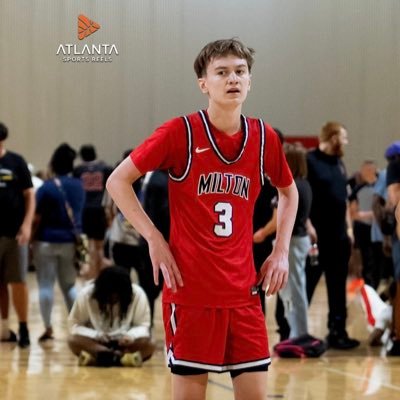
Pierce Strom, a 6’1” combo guard in the Class of 2028 at Milton High School in Atlanta, GA, plays with maturity beyond his years. 

Competing on the EYBL circuit with Alabama Fusion, Strom has proven he can perform against high level competition. 

He blends shot making, poise, and steady decision making, giving his team both scoring and secondary playmaking. 

His confidence with the ball and ability to control tempo stand out for a young guard developing in a competitive Georgia basketball landscape.


Strengths:
• Three level scorer with confident perimeter range
• Strong feel for pick and roll reads
• Plays with pace and under control
• Comfortable on or off the ball
• Competitive defender who anticipates passing lanes


Areas to improve:
Strom can continue adding strength and explosiveness to better handle physical defenders. Improving consistency finishing through bigger rim protectors will elevate his efficiency.


Projected role:
Combo guard who can start or provide scoring punch off the bench early in his college career, with long term potential to develop into a primary scoring guard.


For More Information
X platform formerly known as Twitter
Full Scouting Report

Pin It on Pinterest