
Five 2027 Girls Basketball Prospects College Coaches Should Watch

Five 2027 Girls Basketball Prospects College Coaches Should Watch
Five 2027 Girls Basketball Prospects College Coaches Should Watch

The Class of 2027 continues to offer college basketball programs an interesting collection of prospects with size, versatility, academic strength and competitive experience. 

This group features Nyla Black, Kyla Frazier, Sophia Louis-Pierre, Zoe Coleman and Maci Pringle five players with different skill sets and developmental paths. 

Several have competed in strong grassroots environments, while the group collectively offers positional size ranging from 5-foot-9 guards to 6-foot-1 multidimensional prospects. 

Academically, multiple players report GPAs of 3.77 or higher, an important consideration throughout the recruiting process. 

Zoe Coleman has already made her college decision with a commitment to Miami, while the others remain prospects worth evaluating. 

For college coaches, the objective is simple: continue watching their development, film, production and progression as they move toward the next level.


Nyla Black 5'9" Combo Guard, Class of 2027

Nyla Black is a 5-foot-9 Class of 2027 combo guard from Horizon Christian Academy in Georgia who competes with Elevate Elite 17U on the 3SSB circuit. 

Black's size provides flexibility in the backcourt, where she can potentially contribute at multiple guard positions. 

Her reported 3.77 GPA adds another important dimension to her recruiting profile and demonstrates strong academic standing. 

Competing within the Elevate Elite grassroots program gives Black opportunities to test herself against quality competition while continuing to develop her overall game. 

College programs evaluating 2027 guards should study her ability to handle pressure, create offense, defend multiple perimeter positions and make decisions with the basketball.

X: @NylaBlack2027


Kyla Frazier 5'9" Guard, Class Of 2027

Kyla Frazier is a 5-foot-9 Class of 2027 guard competing with the NW Greyhounds 17U 3SSB program. 

Frazier's combination of backcourt size and outstanding academics immediately gives college programs several areas to investigate. 

Her reported 4.0 GPA is a significant part of her overall profile and could expand the range of schools capable of recruiting her. 

On the basketball side, continued evaluation should focus on her ball handling, perimeter shooting, decision-making, defensive versatility and ability to produce against high-level competition. 

Playing on the 3SSB circuit provides an important evaluation environment. 

As her development continues, coaches should examine how effectively Frazier translates her physical tools and guard skills into consistent production.

X: @KylaFrazier8


Sophia Louis-Pierre 6'1" Guard/Forward, Class Of 2027

Sophia Louis-Pierre presents college coaches with an intriguing combination of size and positional versatility. 

The 6-foot-1 Class of 2027 guard/forward attends The Galloway School in Georgia and competes with Adidas Team Elite Hubbard 17U. 

Her ability to operate as a guard or forward creates multiple developmental possibilities at the college level. Louis-Pierre also reports a 3.8 GPA, strengthening an already interesting overall profile. 

At 6-foot-1, coaches should closely evaluate her perimeter skill development, shooting consistency, defensive mobility, rebounding, transition ability and capacity to attack mismatches. 

Her size becomes particularly valuable if she can consistently handle guard responsibilities while defending multiple positions. 

Louis-Pierre is a prospect whose versatility deserves continued evaluation.

X: @sophdogg2027


Zoe Coleman 5'11" Guard, Class of 2027

Zoe Coleman is a 5-foot-11 Class of 2027 guard from Pickerington Central High School in Ohio who competes with Phenom United 17U on the 3SSB circuit. 

Coleman has already reached an important recruiting milestone with her commitment to Miami.

Her size in the backcourt provides intriguing possibilities because bigger guards can influence games through scoring, rebounding, defensive versatility and their ability to see over smaller defenders. 

Competing for Pickerington Central and within the 3SSB environment has provided Coleman opportunities against quality competition. 

Her continued development before entering college will be important, particularly in areas such as perimeter consistency, decision-making, strength, defensive versatility and creating offense against athletic defenders.

X: @Zoecoleman_10


Maci Pringle 6'1" Class Of 2027 Prospect

Maci Pringle is a 6-foot-1 Class of 2027 prospect from Flower Mound High School in Texas whose multi-sport background adds another interesting component to her athletic profile. 

Her size, length and reported athleticism provide a foundation that could translate into several roles on the basketball court. 

Pringle's developing perimeter shooting is especially important because expanding her range could make her increasingly difficult to defend. 

College coaches should continue evaluating her position, versatility, movement, rebounding, defensive potential and ability to consistently impact possessions away from the basketball. 

Multi-sport athletes can bring valuable coordination, competitiveness and physical development to basketball. 

Continued skill refinement could help Pringle define her eventual college position and overall recruiting projection.

X: @MaciPringle


Al Woods Evaluation

This group demonstrates why college coaches should avoid evaluating prospects through one narrow lens. 

There are different developmental possibilities throughout these five players. 

Black and Frazier bring 5-foot-9 size to the backcourt along with strong reported academics. 

Louis-Pierre offers the positional flexibility of a 6-foot-1 guard/forward. 

Coleman is a 5-foot-11 guard who has already earned a commitment to Miami, while Pringle provides 6-foot-1 size and a multi-sport athletic background. 

The next stage is about development and consistency. 

Coaches should continue evaluating film, live competition, academics, physical development and how each player's skills translate against stronger opponents. 

Recruiting isn't simply about identifying talent. It's about determining how that talent projects into a specific college system.


Final Evaluation

The Class of 2027 recruiting cycle continues moving forward, but evaluation should never stop. 

Nyla Black, Kyla Frazier, Sophia Louis-Pierre, Zoe Coleman and Maci Pringle each present different qualities worth following. 

Size, academics, versatility, grassroots competition and continued skill development are recurring themes throughout this group. 

For uncommitted prospects, every competitive opportunity provides another chance to strengthen their recruiting profile. 

For college coaches, continued evaluation remains essential. 

Development rarely follows a straight line, and the player you evaluate today may look considerably different several months from now.
Rasheen Johnson’s Growing Influence Across Virginia Girls Basketball Recruiting

Rasheen Johnson’s Growing Influence Across Virginia Girls Basketball Recruiting

Rasheen Johnson’s Growing Influence Across Virginia Girls Basketball

Rasheen Johnson has developed a basketball footprint that extends across several important areas of Virginia girls basketball.

Scouting. Coaching. Grassroots basketball. Player evaluation. Showcases. Recruiting exposure.

Instead of operating from only one position within the basketball community, Johnson has gained experience seeing the game from several different perspectives. 

His work with Prep Girls Hoops, TPLS Christian Academy, FBC Havoc and the Elite 50/50 platform has placed him around players at different stages of their development.

Today, Prep Girls Hoops identifies Johnson as its Virginia Lead Scout, and his published evaluations demonstrate consistent involvement identifying and evaluating prospects throughout the state.

That combination makes Johnson an interesting figure within the Virginia basketball landscape.

His story is ultimately about more than scouting players.

It is about being positioned where evaluation, development, exposure and opportunity intersect.


Why Rasheen Johnson Matters

Girls basketball continues to grow, but talented players still need knowledgeable basketball people willing to watch them, evaluate them and bring attention to their development.

Johnson operates directly within that process.

His Prep Girls Hoops coverage includes rankings updates, player evaluations and prospect identification. 

His evaluations regularly address basketball-specific qualities including positional versatility, shooting, defensive ability, athleticism, decision-making and long-term development.

That matters because scouting should be more than repeating statistics.

Evaluation requires projecting what a player could eventually become.


Background & Basketball Journey

Johnson is based in Virginia and has built his basketball experience primarily around the girls game.

His background has included coaching and grassroots involvement alongside scouting and player evaluation. 

Prep Girls Hoops currently lists him as a Lead Scout, while his work connected to TPLS Christian Academy and FBC Havoc has provided another perspective on player development.

The FBC Havoc program is based in Richmond and includes teams across multiple age groups. 

Prep Girls Hoops' program page also identifies Johnson as a club coach within the organization.

Those overlapping experiences provide something valuable: perspective.

Johnson understands what prospects look like during evaluations, but he also understands what player development looks like from inside a basketball program.


Career And Accomplishments

One of the strongest components of Johnson's basketball résumé is the variety of environments in which he has worked.

His involvement includes Prep Girls Hoops Virginia, TPLS Christian Academy, FBC Havoc and the Elite 50/50 platform.

The Elite 50/50 Girls Basketball Camp has created another environment for younger prospects to compete and receive evaluation. 

Johnson's coverage of the event has included players from several graduating classes, including prospects still years away from college basketball.

His Prep Girls Hoops work also extends beyond event recaps.

In January 2026, Johnson published an evaluation of Virginia's unsigned 2026 seniors, identifying prospects he believed college programs should continue evaluating.

That is where scouting can have a meaningful impact.


Impact On Basketball

Johnson's influence comes primarily through visibility and evaluation.

The basketball world naturally gravitates toward nationally ranked prospects, major shoe-circuit programs and players already holding scholarship offers.

But hundreds of legitimate prospects exist outside that spotlight.

Evaluators willing to consistently watch basketball can help broaden the conversation.

Johnson's published work includes established recruits, developing prospects and younger players whose recruiting stories are still beginning. 

His evaluations show attention to both immediate production and developmental upside.


Original Analysis

What stands out about Johnson is the connection between his different basketball roles.

A scout sees talent.

A coach develops talent.

A grassroots organizer creates competitive opportunities.

A showcase creates visibility.

Someone who has experience across those areas can potentially understand the recruiting process from a wider perspective than someone operating from only one lane.

That doesn't mean every evaluation will prove correct. Scouting is projection, and young players change dramatically.

But repeated exposure to players, programs and competitive environments creates valuable context.


What Makes Rasheen Johnson Different

Johnson's basketball work isn't restricted to standing on the sideline evaluating prospects.

He has operated within programs.

He has worked around grassroots basketball.

He has evaluated players.

He has contributed to showcases.

And he has published scouting analysis.

That combination provides a broader view of how prospects move through the basketball ecosystem.


Supporting Information

Johnson's recent Prep Girls Hoops evaluations demonstrate the range of qualities he considers when assessing prospects.

His reports discuss shooting range, defensive pressure, positional versatility, length, athleticism, rebounding, decision-making and the ability to create opportunities for teammates.

Those details provide evidence of an evaluator looking beyond points per game.


Challenges And Journey

Independent evaluation is difficult.

There are thousands of prospects, constantly changing rankings and enormous differences in competition.

Evaluators must also separate reputation from actual performance.

That requires repeatedly watching players and being willing to adjust previous assessments as development occurs.

Johnson's continued coverage of multiple graduating classes reflects that ongoing process.


Al Woods Perspective

What catches my attention about Rasheen Johnson is his willingness to work across different areas of girls basketball.

Basketball needs people who are willing to watch players before everyone knows their names.

The real value of scouting is not simply identifying the obvious prospect. It is recognizing development, documenting progress and helping deserving players become part of the recruiting conversation.

Johnson's combination of coaching, grassroots involvement and scouting gives him an interesting position within Virginia girls basketball.


What The Basketball Community Can Learn

There is an important lesson in Johnson's journey.

You don't necessarily have to choose one basketball lane.

Coaching can improve scouting.

Scouting can improve coaching.

Grassroots basketball can expand relationships.

Showcases can create opportunities.

When those experiences work together, they can create a deeper understanding of players and the recruiting process.


Conclusion

Rasheen Johnson represents an important part of today's girls basketball ecosystem.

His work connects player development, grassroots competition, scouting and exposure.

As Virginia continues producing college basketball prospects, evaluators willing to consistently identify and document emerging talent will remain valuable.

Johnson has positioned himself directly inside that process.

And sometimes the people making the biggest difference in basketball aren't necessarily the people receiving the most attention.

They're the people consistently doing the work.

Author / Byline

Al Woods is the founder of Woods Recruiting, an independent basketball scouting and media platform covering high school basketball, grassroots competition, recruiting, player development and the people helping shape the game. 

A former high school, college and professional basketball player, Woods brings decades of basketball experience to his evaluations and editorial coverage. 

Through Woods Recruiting, he highlights emerging prospects while recognizing coaches, scouts, trainers, organizations and basketball influencers making meaningful contributions throughout the basketball community.

Tyler Coston Is Changing How Basketball Coaches Teach The Game

Tyler Coston Is Changing How Basketball Coaches Teach The Game

Tyler Coston Is Challenging How Basketball Coaches Teach The Game

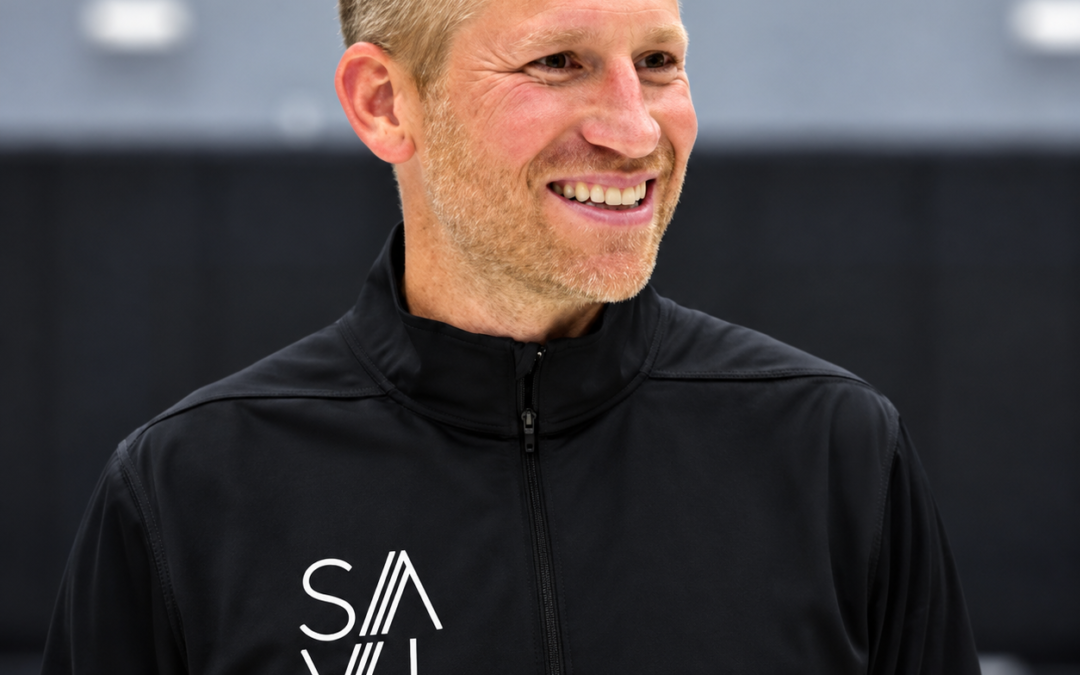
Tyler Coston has traveled a basketball path that stretches from championship player to college coach, player-development specialist, basketball educator, system creator and entrepreneur. 

Today, as founder and CEO of SAVI Coaching, Coston is attempting to influence something deeper than which offense or defense coaches run. 

His work challenges coaches to reconsider how basketball itself should be taught.

His journey includes playing at Lynden Christian High School, Trinity Western University and the University of Alberta, coaching at the college level, experiencing the NCAA Tournament at Portland State and spending approximately 13 years in leadership roles with PGC Basketball.

Those experiences eventually helped shape SAVI Coaching and concepts including LockLeft Defense, Race, Drive & Space offense and the SAVI Shooting System.

The common thread is teaching players to understand basketball rather than simply memorize instructions.


Why Tyler Coston Matters

Basketball is filled with systems, drills, plays and terminology. Coston's work focuses on simplifying those elements so players can recognize situations, process information and make decisions.

That distinction matters.

A coach can tell players exactly where to stand and what actions to execute. 

Developing players capable of understanding why those actions work is a different challenge.

Coston has increasingly built his career around that challenge.


Background & Basketball Journey

Coston played at Lynden Christian High School in Washington, where he reportedly helped lead the program to a Washington state championship in 1999 and earned first-team All-State recognition.

He continued his career at Trinity Western University as a 6-foot-2 guard and earned Canada West All-Rookie Team honors.

Coston later transferred to the University of Alberta and was part of a Golden Bears program that captured Canada West gold and reached the Canadian national tournament in 2004.

Playing the game at multiple competitive levels gave him the foundation for what eventually became a career devoted to teaching it.


Career And Accomplishments

Coston transitioned into coaching after his playing career.

From 2005 through 2007, he coached women's basketball at Trinity Western University while also developing players through a skills-development program.

In 2007, he joined Portland State as an NCAA Division I assistant coach.

Portland State finished 23-8 during his first season, captured the Big Sky Conference Tournament championship and advanced to the NCAA Tournament.

His career then moved heavily toward basketball education.

Coston spent approximately 13 years with PGC Basketball, eventually serving in leadership positions including Director of Basketball Development and PGC Master Director.

That experience placed him in an environment centered not only on developing basketball players but also on developing the people responsible for teaching them.


Impact On Basketball

Coston eventually created SAVI Performance, which developed into SAVI Coaching.

The organization now provides coaching education, clinics, consulting, basketball systems, courses, film breakdowns and live coaching instruction.

Among Coston's best-known concepts are:

  • LockLeft Defense
  • Race & Space Offense
  • Race, Drive & Space
  • SAVI Shooting System
  • Coach development
  • Program consulting
  • Practice planning

These concepts demonstrate something larger than individual basketball products.

Coston is building a comprehensive teaching methodology.


Original Analysis

The most interesting part of Coston's work is not necessarily whether every coach agrees with every concept.

Basketball needs coaches willing to question assumptions.

Many traditional basketball concepts survive because one generation of coaches teaches them to the next. Coston's approach asks another question:

Does the teaching method actually help players understand the game?

That question is powerful.

Basketball increasingly requires players to process information quickly. Defenses change. 

Advantages disappear. Spacing shifts. Players must recognize situations almost instantly.

Memorization alone cannot solve every basketball problem.

Decision-making can.


What Makes Tyler Coston Different

LockLeft Defense provides an excellent example.

The concept is commonly associated with influencing ball handlers toward their left side, recognizing that many players are right-hand dominant.

But the philosophy extends beyond simply forcing someone left.

The larger objective involves controlling space, keeping the basketball on one side of the floor, establishing help responsibilities and making it more difficult for offenses to comfortably reverse the basketball.

His offensive philosophy follows similar thinking.

Race, Drive & Space emphasizes tempo, spacing, advantage creation and decision-making rather than depending entirely on predetermined movements.

The goal becomes teaching athletes how to play, not merely teaching them how to execute plays.


Supporting Information

Coston's shooting philosophy provides another example of his willingness to challenge conventional thinking.

Through the SAVI Shooting System, he has questioned traditional coaching cues involving foot alignment, dipping the basketball, leg usage and follow-through.

His philosophy can be summarized by one of his most recognizable teaching ideas:

Don't simply fix a player's shot. Help discover that player's shot.

That approach emphasizes individual development rather than forcing every athlete into precisely the same mechanical model.


Challenges And Journey

Moving from player to coach to basketball educator requires constant evolution.

Coston's career has crossed high school basketball, Canadian university basketball, NCAA Division I coaching, player development, coaching education and entrepreneurship.

Building SAVI also meant moving beyond established organizations and creating his own basketball platform.

Today, SAVI's philosophy extends beyond X's and O's through four foundational ideas:

S — Simplicity wins
A — Adversity strengthens
V — Victory is defined
I — Identity commits

Together, they demonstrate Coston's attempt to connect basketball strategy, culture, development and leadership.


Al Woods Perspective

What stands out to me about Tyler Coston is the progression.

He didn't wake up one morning and decide to become a basketball expert on the internet. 

His ideas were developed through years of playing, coaching, teaching and working directly with athletes and coaches.

That's important.

Basketball continues to evolve, and coaches must evolve with it.

We should never become so comfortable with the way basketball has traditionally been taught that we stop asking whether there's a better way.

Coston appears willing to keep asking those questions.

You don't have to agree with every system or teaching philosophy to appreciate someone challenging basketball people to think more deeply about player development.


What The Basketball Community Can Learn

The biggest lesson from Coston's journey may be simple:

Teach understanding, not dependency.

Players eventually have to make decisions without coaches standing beside them.

The best development should prepare them for those moments.

Coaches can provide structure, principles and preparation, but ultimately players must recognize situations and respond.

That makes basketball intelligence something that can be deliberately developed rather than merely hoped for.


Conclusion

Tyler Coston's basketball journey has evolved from player to college coach, educator, system creator and founder of SAVI Coaching.

LockLeft Defense, Race, Drive & Space and the SAVI Shooting System are individual pieces of that journey.

The bigger story is his teaching philosophy.

Coston is challenging coaches to simplify basketball, develop decision-makers and reconsider long-standing assumptions about how the game should be taught.

That willingness to question, teach and innovate makes Tyler Coston a compelling addition to the Woods Recruiting Movers & Shakers series.


Author/Byline

Al Woods Woods Recruiting

Al Woods is the founder of Woods Recruiting, an independent basketball scouting, recruiting and media platform. 

Al Woods has been involved in basketball for decades as a player, scout and evaluator, with his scouting work dating to 1989. 

Through Woods Recruiting, he covers high school and college basketball, grassroots programs, recruiting, coaches, trainers, scouts and influential basketball figures while providing independent evaluations and educational information designed to help athletes and families better understand the recruiting process.

Mike Jagacki Built A Basketball Brand Around Teaching Elite Defense

Mike Jagacki Built A Basketball Brand Around Teaching Elite Defense

Mike Jagacki Built A Basketball Brand Around Teaching Defense

Mike Jagacki has built his basketball career around an area of the game everyone says matters but comparatively few people specialize in teaching: defense.

The founder of Lockdown Defense has developed a basketball identity extending from high school and AAU basketball to postgraduate programs, NCAA Division I and Division III coaching, player development, clinics, writing, camps, and digital education.

While much of modern player development emphasizes shooting, scoring, ball handling, highlights, and offensive creativity, Jagacki has taken another path.

He teaches players how to defend.

That specialization has helped transform Lockdown Defense from an idea into an educational basketball platform reaching coaches and players well beyond the programs where Jagacki has worked.

His journey also demonstrates something important about today's basketball industry: influence doesn't necessarily come from trying to teach everything.

Sometimes it comes from becoming exceptionally identifiable with one thing.


Why Mike Jagacki Matters

Defense can become an oversimplified basketball conversation.

Coaches demand effort. 

Players hear instructions about staying in front of the basketball, communicating, closing out, helping, recovering, and competing.

Jagacki has approached defense as something deeper a collection of skills, reads, movements, techniques, habits, and decisions that can be studied and developed.

Lockdown Defense addresses on-ball pressure, defensive footwork, closeouts, recovery, transition defense, post defense, switching, communication, defending offensive actions, and defensive culture.

That turns defense from a slogan into a teaching system.


Background & Basketball Journey

Jagacki's basketball roots extend back to Middlesex, New Jersey, where he played at Middlesex High School before eventually returning as a coach.

He spent four seasons as a varsity assistant and JV boys basketball coach. 

He also founded TrueHoops AAU Basketball, providing early experience within grassroots player development.

Jagacki graduated cum laude from Rutgers University in 2016 with bachelor's degrees in Psychology and Journalism.

His career later took him to Combine Academy in North Carolina, where he served as associate head coach for the boys postgraduate program.

That combination of education, coaching, communication, and player development would eventually become important ingredients in building Lockdown Defense.


Career And Accomplishments

Jagacki entered NCAA Division I women's basketball at Hofstra University in 2019, initially serving as video coordinator before becoming an assistant coach.

His responsibilities expanded to include opponent scouting, recruiting, perimeter development, and defensive strategy.

He moved to SUNY New Paltz men's basketball in 2022 as an assistant coach.

During his tenure, New Paltz experienced significant program success. The Hawks finished 20-8 in 2023-24, captured their first SUNYAC championship, and earned the program's first NCAA Tournament appearance.

But Jagacki's basketball résumé extends beyond the sidelines.

He is also the author of Lockdown Defense: Developing Elite Defenders, published in 2021, and has developed instructional courses, clinics, camps, and individual training centered on defensive development.


Impact On Basketball

Lockdown Defense may ultimately represent Jagacki's broadest influence.

The platform reports that its YouTube presence has surpassed 13 million views and 58,000 subscribers.

Those numbers illustrate something bigger than social-media popularity.

Coaches and players are actively seeking information about defense.

Jagacki recognized that demand and created specialized educational content around it.

His camps combine film study, movement training, defensive technique, drills, small-sided games, and live situations.

The approach reinforces an important idea: becoming a better defender involves considerably more than simply playing harder.


Original Analysis

The most interesting part of Jagacki's story isn't that he teaches defense.

It's that he built differentiation around it.

Basketball development is crowded.

There are countless shooting coaches, skills trainers, academies, camps, programs, and online instructors competing for attention.

Trying to become another general basketball trainer would have placed Jagacki into an enormous field.

Instead, Lockdown Defense gave him an identifiable lane.

When people encounter the name, they immediately understand the subject.

That is powerful positioning within basketball.

His career provides a lesson extending beyond defense: specialization can create authority.


What Makes Him Different

Jagacki connects multiple parts of basketball development:

  • Film-based defensive teaching
  • Individual skill development
  • College coaching experience
  • Grassroots basketball experience
  • Defensive system instruction
  • Clinics and education
  • Digital basketball content
  • Player development training

The combination matters because his teaching isn't limited to theory or social-media clips.

His coaching background has allowed him to work within competitive basketball environments while developing educational material for a much larger audience.


Supporting Information

Jagacki's growth has been gradual.

Earlier coaching biographies documented Lockdown Defense at roughly 2.5 million YouTube views and 17,000 subscribers. 

Later reporting placed the platform above eight million views and 44,000 subscribers.

His current platform reports more than 13 million views and 58,000 subscribers.

That progression demonstrates sustained audience building rather than a single viral moment.


Challenges And Journey

Building an identity around defense carries an obvious challenge.

Offense naturally attracts attention.

Players post dunks, three-pointers, crossovers, scoring performances, and highlight packages.

Defense rarely receives the same spotlight.

Jagacki essentially built his basketball brand against that current.

Instead of chasing the most glamorous part of player development, he concentrated on an area he believed deserved deeper instruction.

That decision became his advantage.

Al Woods Perspective

I've been around basketball long enough to know coaches consistently talk about defense, toughness, communication, positioning, and competing.

But talking about defense and actually teaching players how to become better defenders are two different things.

That's what stands out to me about Mike Jagacki.

He found a basketball need and stayed committed to developing expertise around it.

Young coaches, trainers, scouts, and basketball entrepreneurs can learn from that approach. 

You don't always need to follow what everyone else is doing. Sometimes your greatest opportunity is identifying something valuable that's being overlooked and becoming known for doing it exceptionally well.


What The Basketball Community Can Learn

Jagacki's journey reinforces several lessons.

Specialization matters.

Teaching matters.

Communication matters.

And fundamentals that don't generate spectacular highlights can still create enormous basketball value.

Players should also understand that defensive development can become part of their basketball identity.

Being dependable defensively can help a player earn minutes, gain a coach's trust, and contribute when shots aren't falling.


Conclusion

Mike Jagacki has taken defense and made it the centerpiece of a basketball career spanning coaching, player development, writing, camps, clinics, and digital education.

Lockdown Defense represents more than a brand name.

It represents specialization.

Jagacki identified an area of basketball that deserved greater instructional attention and committed himself to teaching it.

In an industry overflowing with offensive development content, that decision helped him stand apart.

And sometimes standing apart begins with becoming exceptionally good at teaching what everyone else overlooks.


Author/Byline

Al Woods Woods Recruiting

Al Woods is the founder of Woods Recruiting and has been involved in basketball as a player, scout, evaluator, and recruiting professional for decades. 

Through Woods Recruiting, he covers high school basketball, college recruiting, grassroots and AAU programs, coaches, trainers, scouts, prospects, and influential basketball organizations. 

The Movers & Shakers series recognizes individuals and organizations whose teaching, leadership, innovation, development, and commitment continue to make an impact throughout the basketball community.


Jeff Battle Four Decades Impacting College Basketball Behind The Scenes

Jeff Battle Four Decades Impacting College Basketball Behind The Scenes

Jeff Battle Has Spent Four Decades Impacting College Basketball Behind Scenes

Some of the most influential people in college basketball are not always the people receiving the biggest headlines.

Jeff Battle is a prime example.

Battle has built a coaching career spanning four decades through recruiting, teaching, player development, program building and relationships. 

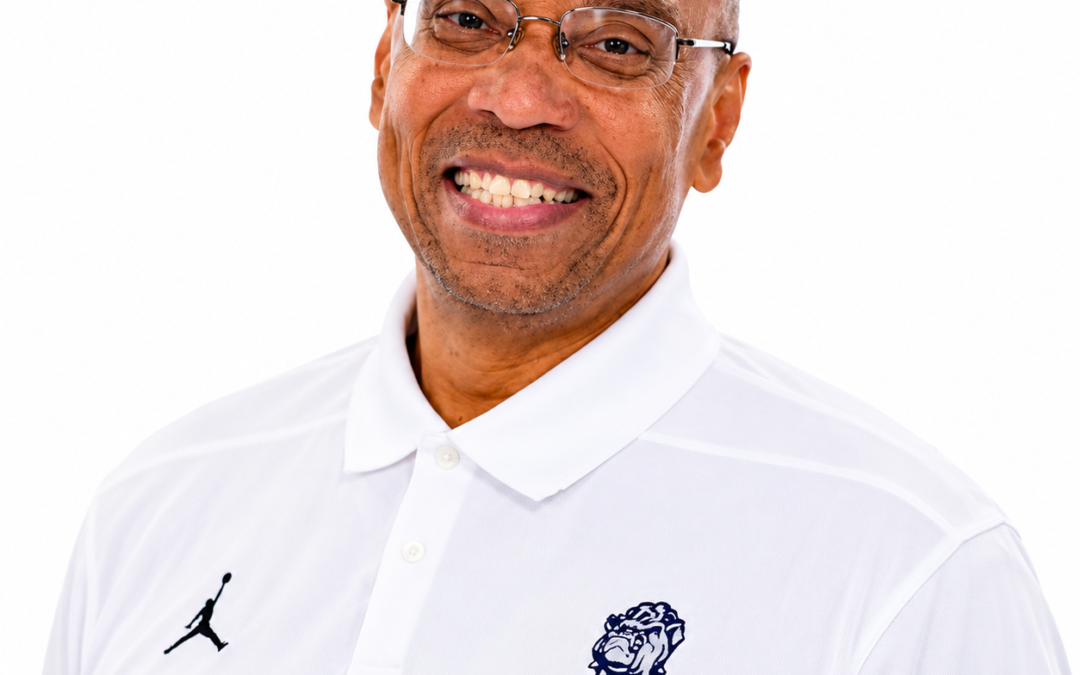
Today, he serves as Associate Head Coach at Georgetown University under Ed Cooley, with responsibilities that include recruiting, on-floor practice preparation, player development and program development.

His career has taken him from high school basketball to Delaware State, Loyola Maryland, Xavier, Wake Forest, Providence and Georgetown.

Along the way, Battle has worked with successful programs, recruited highly regarded classes and helped develop players who eventually reached the NBA.

His career illustrates something basketball sometimes overlooks: tremendous influence does not always require being the head coach.


Why Jeff Battle Matters

Battle represents the importance of experienced assistant coaches.

Head coaches receive most of the public attention, but successful programs require people who can evaluate talent, recruit players, teach the game, develop relationships and help establish a program's culture.

Battle has performed those responsibilities across different conferences, coaching staffs and generations of players.

His longevity is particularly noteworthy in a profession where staff movement is constant.


Background & Basketball Journey

A Philadelphia native and Dobbins Technical High School graduate, Battle played college basketball at Marshall University.

He became Marshall's starting point guard and team captain during his junior and senior seasons. 

The Thundering Herd compiled an 82-38 record during his playing career from 1982 through 1985 and reached consecutive NCAA Tournaments.

Battle earned his bachelor's degree in physical education from Marshall and later a master's degree in physical education from Delaware.

Those educational roots fit the career that followed: teaching basketball became his profession.


Career & Accomplishments

Battle's coaching journey included early stops as a graduate assistant and high school head coach before moving deeper into Division I basketball.

He coached at Delaware State before joining Skip Prosser at Loyola Maryland and later following Prosser to Xavier and Wake Forest.

Battle spent 14 years coaching alongside Prosser at those three institutions. 

At Xavier, Prosser's teams produced six 20-win seasons and six postseason appearances during seven seasons.

Battle's 13-year run at Wake Forest became one of the defining stretches of his career.

The Demon Deacons reached No. 1 nationally in 2005 and 2009, advanced to the 2004 Sweet Sixteen, captured the 2003 ACC regular-season championship and made six NCAA Tournament appearances during his tenure.

Wake Forest's historical materials also describe Battle as a tireless recruiter. Highly ranked recruiting classes arrived during his tenure, including classes ranked No. 3 nationally by Rivals in 2008 and No. 6 by ESPN in 2010.


Impact On Basketball

Player development may be one of Battle's most significant contributions.

Official school biographies credit him with playing a key role in the development of Chris Paul, Jeff Teague and Ish Smith during his Wake Forest years.

That group alone illustrates the level of guard talent Battle encountered and helped develop.

But his influence extends beyond NBA players.

Decades spent evaluating prospects, recruiting families, running practices and teaching college athletes create an impact that cannot simply be measured through wins and losses.


Original Analysis

The fascinating part of Battle's career is its consistency.

Basketball has changed dramatically since he entered coaching. Recruiting has changed. 

The transfer portal has changed roster construction. 

NIL has changed college athletics. Technology has transformed scouting and communication.

Yet the fundamental requirements of coaching remain remarkably familiar: identify talent, establish relationships, teach players, earn trust and help athletes improve.

Battle has remained relevant across those different eras.

That may be one of the strongest measures of his career.


What Makes Him Different

Battle built his reputation without needing to constantly pursue the spotlight.

When Ed Cooley promoted Battle to Associate Head Coach at Providence in 2021, Cooley publicly described him as a leader, mentor, evaluator and ambassador for the program.

In 2023, Battle was selected for the A STEP UP Assistant Coaches Hall of Fame, recognition of his body of work as an assistant coach.

Those descriptions help explain why his career has endured.


Supporting Information

Battle joined Cooley's Providence staff in 2015 and eventually became Associate Head Coach.

During his first seven Providence seasons, the Friars posted a 142-85 record with four NCAA Tournament appearances and an NIT appearance.

He followed Cooley to Georgetown in 2023.

His influence continues there. 

Georgetown's biography credits the staff with an 18-16 record and postseason appearance in 2024-25, while Thomas Sorber and Micah Peavy became 2025 NBA Draft selections.


Challenges & Journey

Longevity in college coaching requires adaptation.

Battle has coached under different head coaches, recruited through different eras and worked with generations of athletes whose expectations and opportunities have continually changed.

Remaining in the profession for decades requires more than basketball knowledge.

It requires relationships, credibility, adaptability and the willingness to continue learning.


Al Woods Perspective

What stands out to me about Jeff Battle is the body of work.

Basketball tends to celebrate the people standing at the front of the program, but assistant coaches can have enormous influence on what happens behind the scenes.

Recruiting matters. Evaluation matters. Player development matters. Relationships matter.

Battle has spent decades doing those things.

When you see names such as Chris Paul, Jeff Teague and Ish Smith connected to his player-development history, combined with successful stretches at Xavier, Wake Forest and Providence and his current work at Georgetown, you begin to understand the scope of his career.

His story deserves recognition because basketball programs are built by more people than the person occupying the head coach's chair.


What The Basketball Community Can Learn

Battle's career provides an important lesson about longevity.

You do not have to constantly change titles to increase your impact.

Become excellent at your responsibilities. 

Build relationships. 

Develop players. 

Learn how to evaluate talent. 

Help the program succeed. 

Become someone coaches and athletes trust.

Do those things consistently enough, and your influence can extend across generations.


Conclusion

Jeff Battle's career represents nearly four decades of college basketball knowledge, relationships, recruiting and player development.

From Philadelphia and Marshall to Xavier, Wake Forest, Providence and Georgetown, Battle has built a career around helping programs and players improve.

The headlines may often belong to someone else.

The impact does not.

That's precisely why Jeff Battle belongs among the basketball Movers & Shakers.


Author/Byline

Al Woods | Woods Recruiting

Al Woods is the founder of Woods Recruiting, an independent basketball scouting, recruiting and media platform. 

A former high school, college and professional basketball player, Woods has been involved with basketball for decades and founded Woods Recruiting in 1989. 

His work focuses on evaluating student-athletes, educating families about college recruiting and recognizing the coaches, scouts, trainers, organizations and basketball professionals making an impact throughout high school, grassroots and college basketball.