Chris Oliver Is Changing How Basketball Coaches Teach The Game

Chris Oliver Is Changing How Basketball Coaches Teach The Game
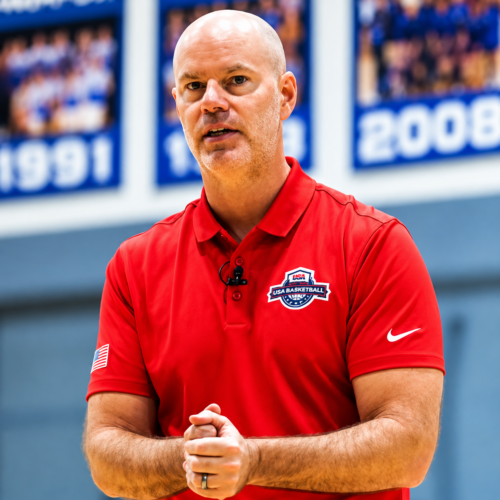
Chris Oliver Is Changing How Basketball Coaches Teach The Game

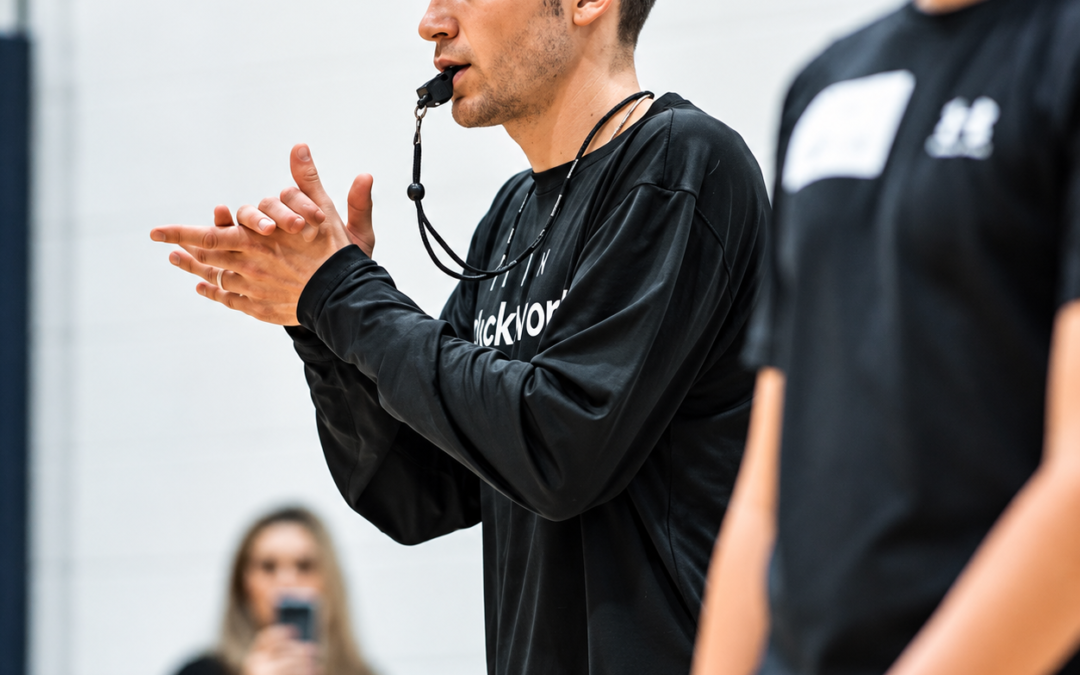
Basketball development is filled with drills. 

Players dribble around cones, repeat predetermined moves and take hundreds of shots from carefully designed spots. 

But Chris Oliver has spent years asking a more important question: Does the training actually transfer when the game becomes unpredictable?

Oliver, founder of Basketball Immersion and host of The Basketball Podcast, has built an international reputation around challenging coaches to rethink how basketball should be taught. 

His philosophy emphasizes decision-making, game-like environments, small-sided games and active learning.

What makes Oliver's voice particularly meaningful is his background. 

He isn't simply an online trainer discussing theories. 

His ideas were developed through more than two decades of university coaching, international basketball experience and years devoted to studying how athletes learn.


Why Chris Oliver Matters

Oliver matters because his work attacks one of basketball development's biggest questions: Are we teaching players skills, or are we teaching players how to use those skills?

There is an enormous difference.

A player can execute a move perfectly during individual training but struggle when defenders, teammates, spacing, timing and pressure are introduced.

Oliver's work attempts to close that gap.

Through Basketball Immersion, Basketball Decision Training and his educational work with coaches, Oliver has helped expand conversations about representative learning, constraints, decision-making and creating practices that more closely resemble basketball itself.


Background & Basketball Journey

Oliver spent 23 years coaching university basketball, including an extended tenure as head men's basketball coach at the University of Windsor in Canada.

He became Windsor's head coach in 2005 and built one of the country's successful university programs. 

His résumé includes more than 300 victories and multiple Ontario University Athletics Coach of the Year honors.

That experience matters when evaluating his current work.

Oliver's philosophies weren't developed solely from academic research or theoretical discussions. 

They were shaped by practices, games, recruiting, player development and the everyday challenges coaches face when trying to turn individual talent into successful team basketball.

In 2015, Oliver even stepped away temporarily from his established coaching environment for a sabbatical dedicated to learning and sharing basketball internationally.

That willingness to continue learning became an important part of his professional identity.


Career & Accomplishments

Oliver's career has expanded far beyond college coaching.

He has coached internationally, including leading a Canadian team of professional players to the 2018 William Jones Cup championship.

His basketball education work has taken him around the world, where he has worked with coaches and organizations at professional, college, high-school, grassroots and youth levels.

He has also contributed to NBA youth-development initiatives and worked in coaching-development environments connected to elite grassroots basketball.

His academic background complements that experience. 

Oliver earned degrees in kinesiology and education along with a master's degree focused on physical education and coaching studies.

The combination of coaching experience, education and curiosity became the foundation for Basketball Immersion.


Impact On Basketball

Basketball Immersion has given Oliver the ability to influence coaches far beyond the teams he personally coached.

The platform provides instructional videos, courses, clinics, masterclasses, podcasts and coaching-development resources.

Its reach has become international.

But Oliver's biggest contribution may not be any single drill, course or podcast episode.

It is the questions he encourages coaches to ask.

Why are we running this drill?

What is the player actually learning?

Does the drill require decision-making?

Does it resemble something players encounter during competition?

Most importantly: Will what happens in practice transfer when the game starts?

Those questions can fundamentally change how a coach constructs practice.


Original Analysis

Basketball has never suffered from a shortage of drills.

Social media has probably created more basketball drills than any generation of players could possibly complete.

The bigger problem is determining which training actually produces better basketball players.

That is where Oliver's philosophy deserves attention.

Basketball is an unpredictable sport. 

Players constantly process defenders, teammates, angles, spacing, advantages and time.

The game rarely tells the player exactly what comes next.

Training therefore becomes more valuable when players aren't simply executing predetermined answers but are learning to recognize problems and find solutions.

That doesn't mean traditional skill development suddenly becomes worthless.

The stronger argument is that technique eventually must connect with perception and decision-making.


What Makes Chris Oliver Different

Oliver isn't simply selling another collection of basketball drills.

He is challenging coaches to examine how learning happens.

Basketball Decision Training is one example.

Rather than separating every skill from the game environment, players are placed into situations requiring reads and decisions.

Small-sided games and constraints can create repeated opportunities to solve basketball problems without scripting every answer beforehand.

Oliver has also embraced what he describes as "messy learning."

Practice doesn't always need to look perfect.

Sometimes mistakes, uncertainty and struggle are exactly where learning occurs.


Supporting Information

Oliver's influence continues through The Basketball Podcast, Basketball Immersion, coaching clinics, consulting and educational programs.

He has also worked within high-level basketball environments, including Sierra Canyon School, bringing his approach to coaches and talented developing players.

Basketball Immersion has reached coaches internationally, creating a community where ideas about coaching, learning and player development can be shared across different levels of basketball.


Challenges & Journey

Challenging established coaching methods isn't easy.

Basketball has generations of traditions that are often passed from one coach to another.

Many drills survive simply because coaches have always used them.

Oliver's work encourages coaches to challenge that thinking.

That doesn't require abandoning everything from the past. 

It requires asking whether the methods being used are accomplishing their intended purpose.

Sometimes improvement begins by questioning something everyone else has accepted.


Al Woods Perspective

I've been around basketball for decades, and one thing never changes: the game eventually exposes what a player truly understands.

You can look tremendous working out alone.

You can dominate a drill.

But basketball isn't played against cones.

Players must recognize situations, make decisions, adjust and execute under pressure.

That's why Chris Oliver's message deserves attention. 

He's forcing coaches, trainers and basketball people to examine whether development actually prepares athletes to play the game.

The basketball community doesn't need fewer teachers. 

It needs more teachers willing to evaluate whether their teaching is producing transferable results.


What The Basketball Community Can Learn

The biggest lesson from Oliver's career may be the importance of remaining a student.

He was already an accomplished university coach when he took time to travel, study and learn from basketball environments around the world.

That's powerful.

Experience should create knowledge, but experience should never eliminate curiosity.

Players are expected to improve constantly.

Coaches should expect the same from themselves.


Conclusion

Chris Oliver's impact reaches beyond wins, championships or coaching positions.

His larger contribution is helping basketball coaches reconsider how players learn.

Through Basketball Immersion, Basketball Decision Training, The Basketball Podcast and his coaching-development work, Oliver continues challenging traditional assumptions about practice and player development.

Basketball will continue evolving.

The coaches willing to study, experiment, question and adapt will evolve with it.

Chris Oliver has made a career out of encouraging exactly that.

Author/Byline

Al Woods | Woods Recruiting

Al Woods is the founder of Woods Recruiting and a longtime basketball scout, evaluator and independent basketball voice. 

A former high school, college and professional player, Woods has spent decades studying prospects, recruiting, grassroots basketball and player development. 

Through Woods Recruiting, he highlights student-athletes and the coaches, scouts, trainers and basketball leaders influencing the game. 

His Movers & Shakers series recognizes people whose work, ideas and leadership deserve greater attention throughout the basketball community.
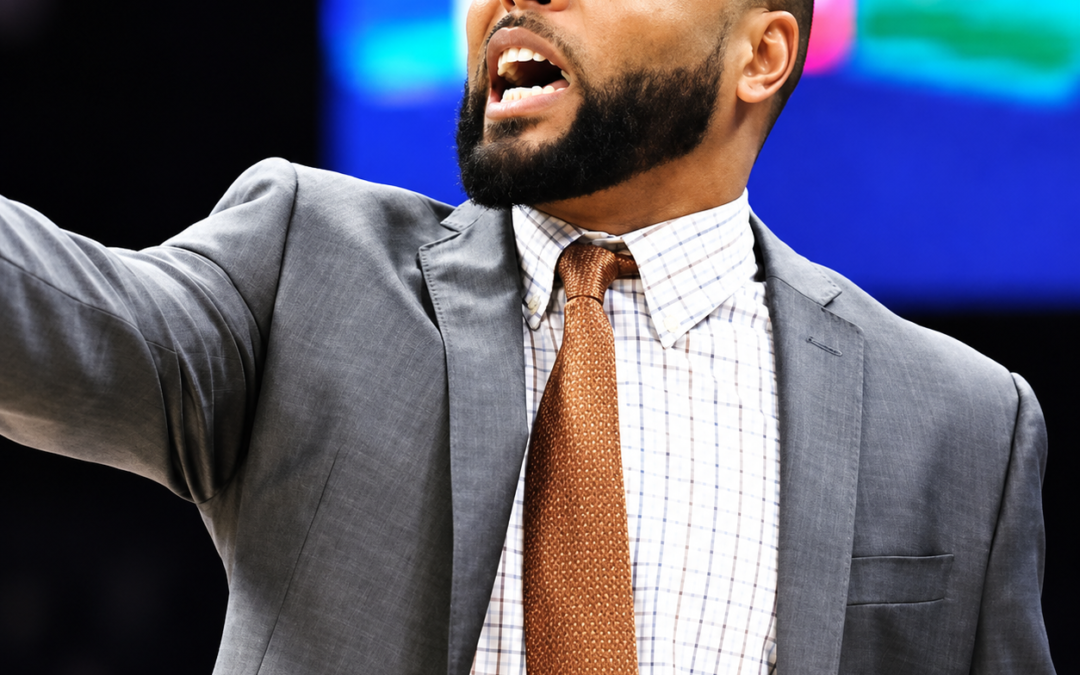
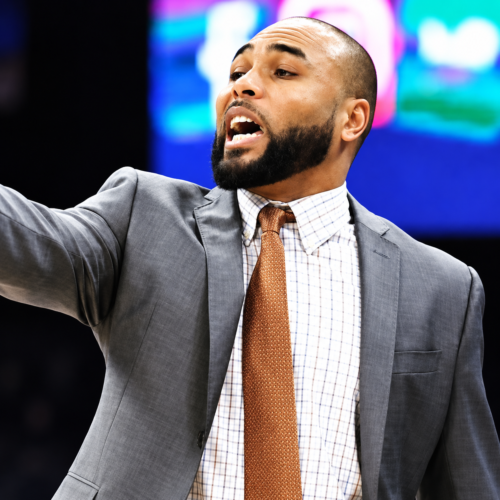
Anthony “AD” Davis Building Players Programs And Basketball Culture

Anthony “AD” Davis Building Players Programs And Basketball Culture

Anthony “AD” Davis Building Players Programs And Basketball Culture

Anthony “AD” Davis represents a side of basketball that deserves more attention. 

His influence cannot be measured simply by wins, championships or the title next to his name. 

Davis has built his basketball identity around teaching, developing players and creating environments where young athletes can improve.

Today, Davis serves as head varsity boys basketball coach at Crossroads School for Arts & Sciences in Santa Monica, California. 

His basketball résumé, however, reaches beyond the high school sideline. 

His background includes playing the game, individual development, grassroots basketball and building basketball organizations. 

He has also been publicly identified as founder of Elite Sports Club.

That combination makes Anthony “AD” Davis an intriguing basketball figure: he understands development from several different perspectives.


Why Anthony “AD” Davis Matters

Basketball development is bigger than running drills.

A trainer must understand individual skill development. 

A high school coach must teach systems, manage personalities, establish standards and prepare a team to compete. 

A program builder must think beyond today's practice or tomorrow's game.

Davis has operated across those different areas.

His continued work at Crossroads demonstrates longevity as well. 

Crossroads currently lists Davis as its varsity boys head coach for the 2026–27 season.

That matters because sustained influence in basketball is usually built through years of teaching, relationships and consistency rather than one successful season.


Background & Basketball Journey

Davis's basketball journey began long before Crossroads.

Published coverage from 2013 identified Davis as a former Inglewood High basketball player who took over the Crossroads program during that season and helped guide the Roadrunners into the CIF-Southern Section playoffs.

Davis later discussed growing up in the inner city, playing basketball and training with Joe “Jellybean” Bryant, the father of Kobe Bryant, during an appearance on the Elevate Your Game podcast. 

The conversation also explored an important distinction: knowing how to play basketball does not automatically mean someone knows how to teach it.

That distinction helps explain Davis's career.

Teaching became part of his basketball identity.


Career & Accomplishments

The defining competitive achievement of Davis's coaching career came in 2018.

Crossroads advanced through the California state playoffs before defeating Alameda 59–53 at Golden 1 Center to capture the CIF State Division II championship. 

The Roadrunners finished that championship season with 25 victories, reached the Southern Section final and won a regional championship on their way to Sacramento.

Shareef O'Neal delivered 29 points and 17 rebounds in the championship game, while DJ Houston contributed 15 points, seven rebounds, three assists and three steals.

Contemporary coverage identified Davis as a first-year head coach during that championship run.

Winning a state championship is significant under any circumstances. 

Doing it while establishing yourself as the leader of a program adds another dimension to the accomplishment.


Impact On Basketball

Davis's impact extends beyond championships.

His involvement in player development and grassroots basketball allows him to influence players before, during and outside their traditional high school seasons.

He has been publicly identified as the founder of Elite Sports Club, while YouBall Foundation content has also recognized Davis within its youth-development basketball community.

Those connections illustrate a broader approach to basketball development.

The objective isn't simply creating better players.

It's creating knowledgeable, disciplined and prepared young people who understand what development actually requires.


Original Analysis

There is an important difference between coaching talent and developing talent.

A coach can inherit outstanding players and win games. 

Development requires identifying weaknesses, teaching details, creating repetition and helping players understand why something works.

Program building demands even more.

It requires establishing expectations that survive roster turnover.

That's where Davis's story becomes particularly interesting.

His experience includes the individual-development environment and the team environment. 

Those worlds overlap, but they are not identical.

Training can improve a player's handle, footwork or shooting mechanics.

Coaching requires turning individual skills into winning basketball.

Davis has spent significant time working in both areas.


What Makes Him Different

Versatility may be the best description of Davis's basketball career.

Coach.

Teacher.

Trainer.

Program builder.

Grassroots influence.

Those roles require different abilities.

Davis's career suggests an understanding that player development isn't one-dimensional. 

Young athletes need skill instruction, accountability, basketball intelligence, competition and mentorship.

The coaches who can connect those pieces become valuable far beyond the scoreboard.


Supporting Information

Crossroads remains a competitive Southern California basketball program. 

Public records show Davis-led Crossroads teams continuing to compete successfully years after the championship run, including a 22–9 overall record and 8–1 league mark during the 2022–23 season.

More importantly, Davis remains involved today.

Crossroads officially lists him as head coach of its 2026–27 varsity boys basketball program.

That longevity adds substance to his story.


Challenges & Journey

Basketball careers rarely travel in straight lines.

Coaches deal with graduating players, changing rosters, expectations, injuries, parents, recruiting pressures and the challenge of maintaining standards year after year.

The real measurement of a program builder isn't one exceptional roster.

It's whether the philosophy survives when the roster changes.

Davis's continued presence at Crossroads provides evidence of something difficult to manufacture: staying power.


Al Woods Perspective

I've been around basketball long enough to understand that knowing the game and teaching the game are two completely different things.

That's what interests me about Anthony “AD” Davis.

The state championship immediately grabs your attention, but I believe the bigger story is the years spent developing players and teaching basketball.

Championship banners matter. Wins matter. Talented players matter.

But development lasts longer.

When a coach can take basketball knowledge, communicate it to young athletes, establish standards and build a program around those principles, that coach is making an impact that won't always appear in a box score.

Davis's basketball journey represents exactly the type of influence the Woods Recruiting Movers & Shakers series was created to recognize.


What The Basketball Community Can Learn

The lesson is simple: learn how to teach.

Knowing basketball isn't enough.

Young players need coaches who can communicate the game, correct mistakes, demand accountability and explain details in ways players understand.

The best development combines knowledge with communication, patience and standards.

Davis's journey reinforces why those qualities remain valuable at every level of basketball.


Conclusion

Anthony “AD” Davis has built a basketball career that extends beyond one championship season.

From his playing background to player development, grassroots involvement and years leading Crossroads basketball, his story centers on teaching and building.

The 2018 CIF State championship will always stand prominently on his résumé.

But the larger legacy continues every time another player walks into the gym ready to learn.

Anthony “AD” Davis isn't simply coaching basketball.

He's helping teach the next generation how the game should be played.


Author/Byline

Al Woods | Woods Recruiting

Al Woods is the founder of Woods Recruiting and a longtime basketball scout, evaluator and former player with decades of experience around high school, college, professional and grassroots basketball. 

Through Woods Recruiting, he highlights prospects, coaches, trainers, scouts and basketball organizations making meaningful contributions to the game. 

His Movers & Shakers series focuses on the people working behind the scenes to develop players, create opportunities and strengthen basketball communities across the country.


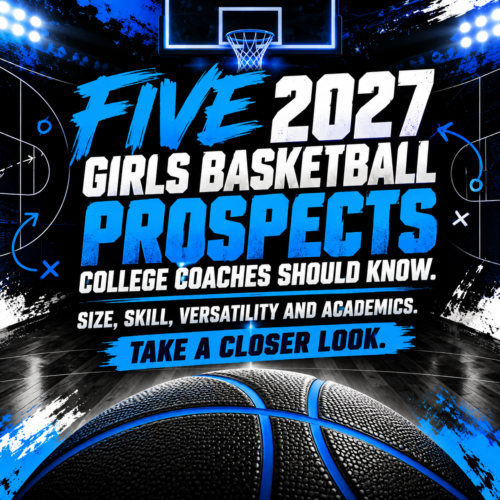
Five 2027 Girls Basketball Prospects College Coaches Should Watch

Five 2027 Girls Basketball Prospects College Coaches Should Watch

Five 2027 Girls Basketball Prospects College Coaches Should Watch

The Class of 2027 continues to provide college basketball programs with an impressive collection of prospects representing different positions, playing styles and developmental paths. 

This group features five players who deserve continued attention as the recruiting process moves forward. 

Brookeslee Colvin, Sydney Mobley, Haylee Noel, Finley Parcher and Summer Brinkmann bring a combination of size, versatility, competitive experience, academics and basketball production. 

Several have competed on highly visible grassroots circuits, while each has developed qualities that could translate to the college game. 

For college coaches, identifying prospects is about more than statistics. Positional value, decision-making, competitiveness, physical development, academics and the ability to fit a program all matter. 

These five 2027 prospects provide coaches with several different profiles worth evaluating closely.


Brookeslee Colvin 5'8" PG, Coeur d'Alene

X: @brookeslee_11

Brookeslee Colvin brings the qualities college programs value at the point guard position: experience, competitiveness, playmaking and leadership. 

The 5-foot-8 Class of 2027 prospect has competed with NW Blazers GUAA, giving her experience against high-level grassroots competition.

Colvin's value begins with her ability to operate from the backcourt and influence the game as a facilitator while remaining capable of creating offense herself. 

Championship experience can be particularly valuable for a point guard because the position demands poise, communication and decision-making under pressure. 

Her academic profile adds another positive dimension to her overall evaluation. 

As her development continues, coaches should evaluate how consistently she controls tempo, creates quality possessions and leads from the point guard position.


Sydney Mobley 6'2", Big Walnut (OH)

X: @SydBuckets_12

Sydney Mobley immediately presents an intriguing evaluation because of her 6-foot-2 size and experience competing in high-level basketball environments. 

The Class of 2027 prospect represents Big Walnut High School in Ohio and has competed with West Virginia Thunder on the Under Armour circuit. 

Size creates possibilities, but Mobley's long-term recruiting value will ultimately depend on how effectively she combines those physical tools with skill, mobility and positional versatility. 

Her grassroots experience provides opportunities to compete against talented players from different regions and playing styles. 

College programs should continue evaluating her offensive development, defensive versatility, rebounding presence and ability to impact possessions in multiple ways. 

A 6-foot-2 prospect with developing skills can provide coaches with numerous lineup possibilities at the college level.


Haylee Noel Guard, Cooper High School (KY)

X: @HayleeCNoel1

Haylee Noel brings a combination of basketball ability, academic achievement and proven grassroots experience. 

The Class of 2027 Kentucky guard from Cooper High School carries a reported 4.0 GPA and competed with West Virginia Thunder GUAA. 

Noel has already taken an important step in her recruiting journey with her commitment to South Florida.

From an evaluation standpoint, guards competing at the college level must process the game quickly, handle defensive pressure, make quality decisions and contribute without always controlling the basketball. 

Noel's experience against high-level competition should help prepare her for those demands. 

Her academic performance also speaks to the discipline required to balance school and basketball responsibilities. 

Her continued development before arriving on campus will be worth following as she prepares for the next level.


Finley Parcher 6'1" G/W/F, Lynden High School

X: @finleyparcher

Finley Parcher offers one of the most interesting attributes in modern basketball: positional versatility. 

At 6-foot-1, the Class of 2027 prospect from Lynden High School has the size and reported skill profile to contribute across multiple positions. 

Her experience with NW Blazers GUAA has provided exposure to high-level competition, while championship experience adds another layer to her basketball background. 

Players capable of functioning as guards, wings and forwards can give college coaches flexibility with rotations, matchups and lineup construction. Parcher's academics strengthen her overall profile as well. 

The key moving forward will be determining which skills translate most effectively at the college level and where she creates her biggest matchup advantages. 

Her combination of size, experience and versatility makes her a prospect coaches should continue evaluating.


Summer Brinkmann 6'0" G/SF

X: @SuBrinkmann2027

Summer Brinkmann brings size and positional flexibility to the Class of 2027 recruiting landscape. 

At 6 feet, she has the physical dimensions to operate as a guard or small forward while competing with Phee Elite in grassroots basketball. 

That combination gives coaches an intriguing starting point when evaluating how her game could eventually translate to different offensive and defensive roles. 

Bigger perimeter players can create valuable lineup flexibility when they are capable of handling multiple responsibilities, defending different positions and contributing in transition and the half court. 

Brinkmann also carries a reported 3.98 GPA, an impressive academic component to her overall profile. 

Continued skill development, strength and consistency will help determine her eventual college projection, but her size, versatility and academics make her worthy of continued evaluation.


Al Woods Evaluation

This group demonstrates why college coaches should avoid evaluating the Class of 2027 through a single lens. 

Brookeslee Colvin provides point guard experience and leadership. 

Sydney Mobley brings legitimate size and intriguing developmental possibilities. 

Haylee Noel combines guard ability, academics and high-level experience and has already committed to South Florida. 

Finley Parcher's size and multi-position potential could provide significant lineup flexibility, while Summer Brinkmann offers another bigger perimeter profile with strong academics. 

The important question isn't simply which player produces the biggest statistics. 

College coaches have to determine how skills translate into their particular systems. 

Size, versatility, basketball IQ, competitiveness, academics, positional need and long-term development all matter. 

These five prospects give programs several different reasons to continue watching, studying film and tracking their progress.


Final Evaluation

Recruiting evaluations are snapshots, not finished conclusions. 

Every prospect on this list still has valuable developmental time before reaching the college level. 

Brookeslee Colvin, Sydney Mobley, Haylee Noel, Finley Parcher and Summer Brinkmann have already established profiles that warrant attention through their high school performances, grassroots competition, academics and individual basketball attributes. 

The next stage is about continued improvement and finding the college environment that fits each player's abilities and goals. 

For coaches evaluating the 2027 class, these are five names worth keeping on the radar.

Steve Collins Built Championships And Now Teaches Basketball Coaches Everywhere

Steve Collins Built Championships And Now Teaches Basketball Coaches Everywhere

Steve Collins Built Championships And Now Teaches Basketball Coaches Everywhere

For nearly three decades, Steve Collins built one of Wisconsin high school basketball's most successful programs. 

Now, after stepping away from the sidelines, his impact on basketball may be entering an entirely different stage.

Collins retired following the 2025–26 season after 27 seasons leading the boys basketball program at Vel Phillips Memorial High School in Madison, Wisconsin. 

His career included three state championships, more than 500 victories, 14 consecutive conference championships and induction into the Wisconsin Basketball Coaches Association Hall of Fame.

But the victories tell only part of his story.

Through TeachHoops, Coaching Youth Hoops, podcasts, clinics and educational resources, Collins has taken decades of basketball experience and created ways to teach coaches well beyond Wisconsin.

His next chapter isn't about building one program.

It's about helping coaches build thousands of them.


Why Steve Collins Matters

Sustained success in basketball is difficult.

Winning with one talented group is one accomplishment. 

Creating a system that survives graduating classes, changing personnel, evolving competition and decades of expectations is something entirely different.

Collins demonstrated that kind of longevity at Memorial.

His influence now extends beyond players he coached directly because he has transformed his experience into resources other coaches can study, adapt and implement.


Background & Basketball Journey

Collins' basketball roots run deep in Madison.

He attended Madison East High School, captaining both the basketball and volleyball teams before graduating in 1985. 

He continued his basketball career at Lawrence University, where he became a three-year team captain.

His professional life also combined coaching with education. 

Collins worked as an AP Statistics teacher, an interesting piece of his background considering the organization, analysis and attention to detail required to sustain a successful basketball program.

In 1998, Collins pursued the Memorial head-coaching position.

He wasn't taking over a powerhouse.

Memorial had not reached a regional final since the 1991–92 season. His original objective was relatively modest: build a winning team.

What followed became much bigger.


Career And Accomplishments

Collins transformed Memorial into a Wisconsin basketball power.

His teams captured Wisconsin Division I state championships in 2005, 2009 and 2011 while also producing five state runner-up finishes.

Memorial won 14 consecutive conference championships from 2004 through 2017, a streak described by the Madison school district as a state record.

TeachHoops lists Collins' career head-coaching record at 519–155.

His résumé also includes two State Coach of the Year honors, national tournament success and induction into the Wisconsin Basketball Coaches Association Hall of Fame.

Those accomplishments demonstrate something more important than individual seasons: consistency.


Impact On Basketball

Collins' influence can also be measured through player development.

An earlier CoachTube biography credited his Memorial program with producing 38 collegiate athletes and six professional players.

Developing players for opportunities beyond high school is another layer of his coaching legacy.

But Collins has expanded his influence further through TeachHoops, an educational platform offering drills, practice plans, courses, clinics, documents and additional resources for basketball coaches.

He is also connected with Coaching Youth Hoops, which has stated a mission of positively impacting one million children through basketball by 2032.


Original Analysis

What makes Collins particularly interesting is how he has extended the lifespan of his basketball knowledge.

A coach can accumulate decades of valuable experience, practice concepts, leadership lessons, mistakes, player-development methods and program-building strategies only for much of that knowledge to disappear when the coaching career ends.

Collins chose another route.

He began packaging that knowledge so other coaches could learn from it.

His evolution can almost be described as:

Coach → Program Builder → Educator → Content Creator → Coaching Entrepreneur

That progression makes his story especially relevant in today's basketball environment.


What Makes Steve Collins Different

TeachHoops isn't simply about plays.

Steve Collins' content reaches into leadership, motivation, team building, practice organization, youth development and the everyday challenges coaches encounter.

His podcast catalog has included Coach Unplugged, High School Hoops, The 5 Minute Basketball Coaching Podcast, Coaching Youth Hoops, The Basketball Leadership Podcast and other basketball-focused programs.

That creates influence far beyond one gym.


Supporting Information

Collins retired after Memorial finished as Wisconsin Division I state runner-up during the 2025–26 season.

Former Memorial player and assistant/JV coach Billy Wilson was subsequently selected to lead the program.

That succession provides another indication of Collins' impact: someone who played for him and later worked within the program became part of carrying it forward.


Challenges And Journey

Collins' career is also a reminder that powerhouse programs aren't always inherited.

When he arrived at Memorial, sustained championship success wasn't guaranteed.

It had to be constructed.

The championships eventually became the visible result, but decades of organization, teaching, player development, culture building and consistency formed the foundation.


Al Woods Perspective

What stands out to me about Steve Collins isn't simply the 500-plus victories or the three state championships.

It's what he did with the knowledge accumulated along the way.

Basketball needs experienced people willing to teach the next generation of coaches. 

When successful coaches share what worked, what failed and what they learned over decades, the entire game can benefit.

Collins built winners, developed players and established a championship culture. 

Now he's creating opportunities for other coaches to learn from those experiences.

That's basketball impact extending beyond wins and losses.


What The Basketball Community Can Learn

Great programs aren't created overnight.

They require standards, teaching, consistency, organization and patience.

Collins' career also demonstrates that knowledge becomes more valuable when it's shared.

A coach's influence doesn't necessarily have to end when the final game is coached.

Sometimes that's when the next form of influence begins.


Conclusion

Steve Collins spent 27 seasons building Memorial basketball into a championship program.

Three state titles, more than 500 victories and a remarkable conference championship streak established his coaching résumé.

But his next chapter deserves attention too.

Through TeachHoops, Coaching Youth Hoops and his extensive educational content, Collins is taking lessons accumulated across decades and putting them into the hands of coaches everywhere.

The sideline chapter may have ended.

The teaching hasn't.


Author/Byline

Al Woods | Woods Recruiting

Al Woods is the founder of Woods Recruiting and has been involved in basketball as a player, scout and evaluator for decades. 

Through Woods Recruiting, he covers high school and college basketball, grassroots programs, recruiting, coaches, scouts, trainers and individuals making an impact throughout the game. 

The Movers & Shakers series recognizes people and organizations whose work, leadership and contributions deserve greater attention throughout the basketball community.

Anthony Pugh Built His Basketball Calling Through Player Development

Anthony Pugh Built His Basketball Calling Through Player Development

Anthony Pugh Built His Basketball Calling Through Player Development

Anthony Pugh’s basketball story changed when he realized his greatest contribution to the game might not come from playing it.

Pugh had reached Division I basketball as a 5-foot-8 walk-on point guard at Robert Morris University. 

The achievement alone represented years of work. 

Yet during his freshman season, something unexpected happened. 

Working with starting point guard Kavon Stewart before and after team activities helped Pugh discover an enthusiasm for player development that eventually became stronger than his desire to continue playing.

After that season, he stepped away from competitive basketball and committed himself to developing others. 

In April 2016, he founded Clockwork Athletics from his college dorm room.

What followed demonstrates how basketball careers can evolve in directions players never anticipate.

Pugh became a player-development coach, entrepreneur, basketball educator and WNBA advanced scout. 

His journey is not simply about training players. It is about recognizing a calling and having enough conviction to pursue it.


Why Anthony Pugh Matters

Basketball development has become an enormous industry. Trainers are everywhere.

What separates Pugh's story is the combination of experiences he brings to his work.

He has been a high-school standout, Division I walk-on, skills developer, business owner and professional basketball scout. 

Clockwork Athletics currently lists advanced-scouting experience with the Connecticut Sun from 2019–2022, Los Angeles Sparks from 2023–2024 and Dallas Wings beginning in 2025.

That scouting experience matters because development should ultimately connect individual skills with what actually happens during competition.


Background & Basketball Journey

Pugh grew up as a coach's son and spent considerable time around basketball from an early age.

At McDonald High School in Ohio, he became a four-year varsity point guard. 

Clockwork Athletics credits him with more than 1,000 career points, more than 400 assists and All-Ohio recognition.

His next opportunity required a different path.

After receiving recruiting interest from Division II and Division III programs, Pugh earned an opportunity to walk on at Robert Morris.

The school's official 2015–16 roster confirms Pugh as a 5-foot-8, 150-pound freshman guard from McDonald High School.

He had reached Division I basketball.

But reaching that level ultimately helped him discover something else.


Career And Accomplishments

During Pugh's freshman season, he developed a relationship with Robert Morris starting point guard Kavon Stewart. 

According to biographical material accompanying Pugh's podcast appearances, the two regularly worked together before and after practices and games.

Those sessions helped Pugh recognize his passion for skill development.

He made the difficult decision to stop playing after his freshman season and dedicate his attention to development. 

Clockwork Athletics was founded on April 20, 2016, while Pugh was still living in his Robert Morris dorm room. 

He later graduated from Robert Morris in May 2019 with a bachelor's degree in sport psychology.

Clockwork has since grown well beyond that dorm-room beginning.

The organization says Pugh has worked with NBA, WNBA and overseas professionals, college athletes, high-school prospects and younger players while also providing team and AAU development.


Impact On Basketball

Pugh's influence extends beyond individual workouts.

He has participated in camps, clinics, speaking engagements, podcasts and basketball education while creating resources for players and coaches.

He also created the Pugh Podcast, which ran from 2019 through 2021 and accumulated 63 episodes focused on helping basketball players and coaches develop.

The combination gives Pugh several ways to influence the game: teaching players directly, educating coaches and athletes through content, and studying basketball through professional advanced scouting.


Original Analysis

The most important part of Pugh's story may be the decision that appeared, at first, to be a step backward.

Walking away from a Division I playing opportunity could easily have been viewed as giving something up.

Instead, Pugh redirected his competitive energy.

That's an important distinction.

Basketball careers aren't always linear. 

Sometimes progress requires recognizing that the role you originally chased isn't where your greatest opportunity exists.

Pugh didn't leave basketball.

He changed his position within basketball.

That decision eventually opened doors that probably weren't visible when he was an undersized freshman guard trying to establish himself at Robert Morris.


What Makes Anthony Pugh Different

There is another element worth examining.

Pugh's professional scouting background gives him an additional perspective on player development.

Training teaches the mechanics of improvement. 

Advanced scouting requires studying personnel, tendencies, actions, matchups and how individual abilities function within team basketball.

When those worlds intersect, development can become less about performing impressive drills and more about preparing players to solve actual basketball problems.

Pugh describes his own approach around detail, relentless work ethic and helping players improve regardless of their starting level.


Supporting Information

Pugh has also embraced technology and digital instruction.

Dr. Dish Basketball highlighted its work with Pugh and Clockwork Athletics in 2022, while his digital development offerings have included structured basketball workouts.

That evolution reflects where modern player development is heading: combining in-person instruction, film, technology, data and remote development opportunities.


Challenges And Journey

Pugh's own playing experience helps explain his emphasis on work.

He has described himself as physically unlike the stereotypical Division I athlete smaller and thinner but credited disciplined work, passion and constant improvement with helping him earn his Robert Morris opportunity.

That background gives his message credibility.

He experienced what it meant to pursue opportunities without possessing ideal physical measurements.


Al Woods Perspective

What stands out to me about Anthony Pugh is not simply that he became a successful player-development coach.

It's that he recognized where his basketball future was heading and acted on it.

A lot of people remain attached to the role they originally imagined for themselves. 

Pugh reached Division I basketball and then discovered that helping someone else improve gave him another kind of purpose.

Starting Clockwork Athletics from a dorm room wasn't the finish line. It was the beginning.

Player development, entrepreneurship, basketball education and professional scouting followed.

His journey is another reminder that making an impact in basketball doesn't require wearing the uniform forever.

Sometimes your biggest contribution begins after you take it off.


What The Basketball Community Can Learn

Pugh's journey offers an important lesson for players, trainers and aspiring basketball professionals.

Don't define your basketball future too narrowly.

Playing is one pathway.

Coaching is another.

Scouting, development, analytics, administration, media and entrepreneurship provide others.

The game needs people who understand basketball and are willing to spend years developing their craft.

The key is recognizing where your abilities, interests and opportunities intersect and then doing the work required to become valuable there.


Conclusion

Anthony Pugh's journey took him from McDonald High School to Robert Morris, from a college dorm room to building Clockwork Athletics, and from developing individual players to studying the professional game as a WNBA advanced scout.

The common thread has been development.

His career demonstrates something young basketball professionals should remember: your original dream can evolve without becoming a lesser dream.

Sometimes changing direction isn't walking away from the game.

Sometimes it's discovering exactly where you belong in it.


Author/Byline

Al Woods | Woods Recruiting

Al Woods is the founder of Woods Recruiting and a longtime basketball scout, evaluator and former player. 

Since launching Woods Recruiting in 1989, Woods has spent decades studying prospects, recruiting, grassroots basketball and the people who influence player development. 

Through scouting reports, recruiting education and the Movers & Shakers series, Woods Recruiting highlights student-athletes, coaches, trainers, scouts and basketball professionals whose work deserves greater attention throughout the basketball community.