
Chasing Division I Without Missing The Bigger Picture

Chasing Division I Without Missing The Bigger Picture
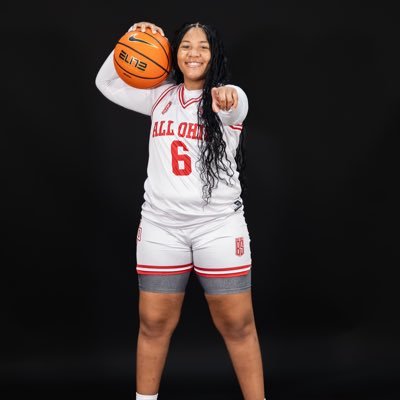
Every basketball player grows up dreaming about the Division I level. 

That dream is powerful, and there is absolutely nothing wrong with chasing it. 

Having big goals, high expectations, and belief in yourself is part of what makes great athletes different. 

You should want the top spot. 

You should want to test yourself against the best. 

And if you are willing to put the work in, you should aim high.

But here’s where the conversation has to be honest.

Division I basketball represents the smallest percentage of college players in the country. 

It is not just about talent. 

It is about size, strength, speed, consistency, and production against elite competition. 

The margin for error is slim, and the players who earn those opportunities are truly the best of the best. 

Major college basketball is demanding, unforgiving, and highly competitive.

Too many athletes lock in on the Division I label without fully understanding what that level requires. 

Some players may not yet be physically ready. 

Others may not have the size or athletic profile college coaches are seeking at that level. 

And sometimes, the fit simply is not there, no matter how badly someone wants it.

That reality should not discourage anyone. Instead, it should expand how athletes view opportunity.

College basketball exists at multiple levels for a reason. 

Division II, Division III, NAIA, and Junior College all offer real competition, real development, and real education. 

The goal should not be chasing a logo. 

The goal should be putting yourself in a situation where you can play, grow, and earn a degree.

You cannot force Division I if it is not there. 

But you can still earn a college education, compete at a high level, and continue your basketball journey if you are willing to keep an open mind.


Emma Hawkins continues to improve through consistent work habits and attention to detail. Her feel for the game, defensive effort, and decision making reflect a player focused on growth, not labels, while embracing competition.


Avery Billotte plays with toughness, discipline, and leadership that translates across levels. Her preparation shows in how she controls tempo, values possessions, and impacts winning in multiple ways every time she steps on the floor.


Rhegan Kent brings scoring versatility and confidence built through repetition. Her ability to play on or off the ball, defend with purpose, and stay aggressive reflects a player investing in long-term development.


Jordann Oakland pairs perimeter shooting with competitive edge and consistency. Her confidence comes from work, not hype, allowing her game to translate when intensity rises and pressure situations demand poise.


Sophie Konrad impacts games with effort, IQ, and versatility. Her willingness to defend, facilitate, and compete reflects a player focused on improvement and finding the right fit to maximize her college opportunity.


Conclusion 

At the end of the day, college basketball should be viewed as an opportunity, not a status symbol. 

Playing at any level of college basketball is an accomplishment that deserves respect. 

The experience, the education, and the growth matter far more than the division attached to your jersey.

Evaluation season often exposes the gap between dreams and reality. College coaches are not just recruiting talent. 

They are recruiting fit, readiness, and reliability. 

They want players who can contribute, develop, and handle the demands of their program both on and off the court.

When athletes focus only on Division I, they sometimes miss opportunities that could be better for their long-term success. 

Sitting the bench, struggling to keep up physically, or failing to earn minutes can stall development. 

On the other hand, playing meaningful minutes at another level can build confidence, sharpen skills, and open doors later in a college career.

Basketball journeys are not linear. 

Many players develop late. 

Others grow physically or mentally once they reach college. 

Some transfer. 

Some move up levels. None of that happens if you stop yourself by chasing only one path.

The smartest athletes focus on development, opportunity, and education. 

They want a coaching staff that believes in them. 

They want a system that fits their strengths. 

They want a chance to compete, improve, and earn their degree.

Division I is a great goal. 

But it is not the only goal that matters. 

If you love the game and are willing to work, there is a place for you to play college basketball. 

Find the level that fits you, embrace the opportunity, and let your growth write the rest of the story.

Evaluation Season Rewards Those Who Put The Work In

Evaluation Season Rewards Those Who Put The Work In

Work ethic always shows up. 

It shows up in late-game decisions, in conditioning during the fourth quarter, and in the confidence players carry possession to possession. 

Long before college coaches start evaluating, these athletes are already putting in the work that separates good players from serious prospects. 

Thousands of hours in the gym. 

Repetition after repetition. 

Shots when nobody is watching. 

Conditioning when it would be easier to rest. 

Skill development that happens long before the lights come on.

The biggest jump you see from game to game rarely happens by accident. It comes from players who are intentional about their development. 

These guards are students of the game. 

They understand that talent opens the door, but work ethic determines how far you walk through it. 

High school gyms. 

AAU weekends. 

Early mornings and long nights. 

The commitment adds up, and the results show on the court.

What stands out most is consistency. 

Consistency in preparation. 

Consistency in effort. 

Consistency in how they approach competition. 

You see it in how they move without the ball, how they defend, how they communicate, and how they respond when challenged. 

These are players who trust their work because they have earned that trust through hours of unseen effort.

Evaluation season does not reward shortcuts. 

College coaches notice players who are in shape, locked in, and improving. 

They notice who handles pressure, who stays composed, and who impacts winning in multiple ways. 

These guards are not just showing up to be evaluated. 

They are showing improvement, discipline, and hunger.

The grind matters. 

The work matters. 

And these players are proving that relentless effort still separates those who hope from those who are ready.


Emma Hawkins is a Class of 2031 guard whose work ethic shows in her feel and versatility. Emma Hawkins consistently makes smart decisions, defends with purpose, and competes beyond her age. Her steady improvement reflects time spent developing skills, conditioning, and understanding the game.


Avery Billotte, a Class of 2027 guard, brings toughness and leadership rooted in preparation. Avery Billotte values possessions, controls tempo, and impacts winning through effort plays. Her discipline and commitment to improvement show up every game, especially in moments that demand poise.


Rhegan Kent is a Class of 2027 combo guard whose scoring versatility reflects countless hours in the gym. Rhegan Kent plays with confidence on or off the ball, competes defensively, and continues to sharpen her game through consistent work and attention to detail.


Jordann Oakland, a Class of 2027 shooting guard, pairs perimeter shooting with competitive edge. Jordann Oakland’s confidence as a scorer comes from repetition and preparation. Her willingness to put in extra work allows her game to translate when intensity rises.


Sophie Konrad is a Class of 2029 combo guard who impacts games through effort and IQ. Sophie Konrad shoots, facilitates, and defends with purpose. Her improvement curve reflects a player committed to development and embracing the grind early.


Closing Statement 

Every evaluation season reinforces the same lesson. 

Work ethic never hides. 

Players can talk about goals, but the game reveals who has invested the time to earn real progress. 

These guards are not relying on potential alone. They are building confidence through preparation and trusting habits formed long before tip-off.

College coaches look for players who can sustain effort, handle adversity, and continue to improve. 

That improvement comes from daily commitment. 

From conditioning sessions that prepare players for long stretches. 

From skill work that sharpens decision making. 

From accountability to teammates and the game itself. 

These athletes understand that development is not seasonal. It is constant.

What separates them is how they approach growth. 

They are not satisfied with being good. 

They want to be better each week, each event, each game. 

That mindset shows up in how they compete, how they respond to coaching, and how they impact winning when games tighten.

Recruiting conversations often begin with exposure, but they are sustained by performance. 

Performance is rooted in preparation. 

These guards are earning respect by backing their opportunities with real substance. 

They are dependable, improving, and ready for challenges.

For players chasing the next level, the blueprint is clear. 

Put in the work when no one is watching. 

Build habits that translate under pressure. 

Let improvement speak for you. 

These athletes are proof that relentless effort still matters, and that the grind, when done right, always shows up when it counts most.

Evaluation Season Is Here And These Guards Are Ready

Evaluation Season Is Here And These Guards Are Ready

Exposure is the lifeblood of the college recruiting process. 

Talent alone is never enough if the right people are not seeing it. 

College coaches recruit what they can evaluate, and evaluation only happens when players consistently put themselves in visible, competitive environments. 

That is exactly what these young ladies are doing. 

They are showing up, competing, and making sure their names are attached to real production on the court.

Recruiting is no longer about waiting to be discovered. 

It is about creating opportunities, stacking performances, and proving over time that you belong in the conversation. 

These players understand that exposure opens doors. 

Each event, matchup, and possession becomes a chance to show basketball IQ, competitiveness, and growth. 

College coaches notice players who impact winning, communicate, and respond to challenges.

What stands out most is that these young ladies are not chasing attention. They are earning it. 

Through consistent effort, strong decision making, and confidence, they are forcing coaches to take notes and come back for another look. 

Exposure is not accidental. It is intentional. 

These players are doing everything in their power to be evaluated, respected, and ultimately recruited at the next level.


Emma Hawkins is a Class of 2031 guard who shows advanced feel, versatility, and competitiveness. She impacts games with smart decisions, balanced scoring, and consistent defensive effort, making her a young prospect college coaches will track early.


Avery Billotte is a Class of 2027 guard who controls tempo and values possessions. Her toughness, leadership, and feel for winning plays consistently stand out, allowing her to impact games beyond the stat sheet.


Rhegan Kent is a Class of 2027 combo guard who brings scoring versatility and strong feel to the floor. Her competitive edge and ability to play on or off the ball anchor Ardrey Kell’s backcourt.


Jordann Oakland is a Class of 2027 shooting guard with reliable perimeter shooting and natural feel. Her competitiveness and confidence as a scorer project well as college coaches evaluate her long term upside.


Sophie Konrad is a Class of 2029 combo guard who contributes through shooting, playmaking, and defensive effort. Her basketball IQ and competitive approach allow her to impact games in multiple roles.


Closing Completion

At every level of recruiting, one truth remains the same. 

Exposure drives opportunity. 

College coaches cannot recruit what they do not see, and these young ladies are making sure they are seen in the right settings against quality competition. 

More importantly, they are backing up that exposure with production, effort, and growth.

Each of these players understands that recruiting is a process, not a moment. 

It is built through consistent performances, strong habits, and showing coaches you can impact winning. 

Exposure puts your name on the list. 

Performance keeps it there. 

These guards are separating themselves by doing both.

As evaluation periods continue, college coaches are paying attention to players who play the game the right way. 

They look for feel, competitiveness, communication, and confidence. 

These young ladies check those boxes. 

They are not just participating in exposure opportunities. They are maximizing them.

For players with college aspirations, the message is clear. 

Get out, compete, and make yourself visible. 

Exposure is not optional anymore. 

These athletes are proof that when preparation meets opportunity, recruiting conversations start to become very real.

Emma Hawkins Shines As A Two-Way Threat

Emma Hawkins Shines As A Two-Way Threat

Emma Hawkins is a 5’7” G/PG/SF from Arkansas, Class of 2031, competing for the Arkansas Banshees, Grimsley Jr. 

High, and Bentonville West High School. 

She plays with confidence, composure, and an advanced understanding of the game. 

Hawkins is a true combo guard who can initiate offense, score efficiently, and defend multiple positions. 

Her motor and competitiveness stand out immediately, especially for her age group.

Strengths:
Hawkins displays strong ball-handling, court vision, and decision-making. She finishes well around the basket, shoots confidently from mid-range, and spaces the floor effectively. Defensively, she stays engaged, anticipates passing lanes, and rebounds well for her size. Her versatility allows coaches to use her in several lineups, and her feel for pace keeps offenses organized.


Areas to Improve:
Continuing to extend shooting range and improve consistency from three will elevate her offensive ceiling. Adding strength and lateral quickness will help her handle bigger, more athletic defenders. Learning when to be more aggressive scoring will further unlock her impact.


Projected Role:
Hawkins projects as a reliable combo guard who can contribute as a secondary ball handler, floor spacer, and defensive competitor. At the college level, she profiles as a high-IQ rotation guard with upside to earn larger responsibilities over time.


For More Information
X platform formerly known as Twitter
Full Scouting Report

Emma Hawkins Impacts Winning On Both Ends

Emma Hawkins Impacts Winning On Both Ends

Emma Hawkins is a versatile 5’7” guard/wing from Arkansas, playing with the Arkansas Banshees and competing at Grimsley Jr. 

High and Bentonville West High School. 

A Class of 2031 prospect, Hawkins already shows advanced court awareness and positional flexibility well beyond her age. 

She plays comfortably as a primary ball handler or off the ball, consistently making smart reads and impacting winning possessions.

Offensively, Hawkins scores in multiple ways. 

She attacks the rim with confidence, finishes through contact, and uses angles well against bigger defenders. 

Her mid-range game is polished, and she has touch from three, especially on catch-and-shoot opportunities. 

Hawkins is at her best in transition, where her speed and vision allow her to create easy baskets for herself or teammates. 

She understands spacing and rarely forces shots.

Defensively, Hawkins competes on every possession. 

She stays active in passing lanes, communicates well, and shows strong instincts as a team defender. 

Her willingness to guard multiple positions makes her valuable in switching defenses. 

She rebounds well for her size and pushes tempo immediately after securing the ball.

What separates Hawkins is her feel for the game. 

She plays under control, understands pace, and shows leadership qualities as a young player. 

She consistently makes winning plays that do not always show up in the box score.


College Projection:
Hawkins projects as a future high-academic Division II or Division III guard, with Division I potential long-term if physical development and shooting consistency continue to trend upward.


Evaluation Summary:
High IQ guard with strong feel, competitiveness, and positional versatility. Her skill base and instincts translate well to the college game as a multi-role contributor.


Key Development Areas:
Improving shooting range and consistency
Adding strength and explosiveness
Continuing to assert offensive leadership


Long-Term Outlook:
Emma Hawkins has the foundation, mentality, and skill set to develop into a college-ready guard coaches trust in meaningful minutes.

Avery Billotte A High Academic Guard With College Tools

Avery Billotte A High Academic Guard With College Tools

Avery Billotte is a 2027 PG/SG at Bishop Lynch High School who plays the game with maturity and control well beyond her age. 

At 5’4, she relies on skill, intelligence, and competitiveness rather than physical dominance. 

A high-level student with a 4.2 GPA and National Honor Society recognition, Billotte brings the same discipline and preparation to the court. 

She is a reliable lead guard who understands spacing, timing, and how to keep an offense organized.

Strengths

  • Advanced basketball IQ and court awareness
    • Consistent decision-maker who limits turnovers
    • Reliable perimeter shooter with pull-up ability
    • Strong communicator and on-court leader
    • Competes defensively and anticipates passing lanes
    • Plays with confidence and composure under pressure


Areas to Improve

Billotte can continue improving her ball-handling strength against elite on-ball pressure and add functional strength to handle physical defenders. Becoming a more aggressive scoring threat will further open playmaking opportunities.


Projected Role

Projects as a rotational point guard at the high-academic college level with upside to develop into a trusted starter. Best suited for systems that value IQ, spacing, and guard play discipline.


For More Information
X platform formerly known as Twitter
Full Scouting Report