What Woods Recruiting Covers Basketball Scouting & Recruiting

What Woods Recruiting Covers Basketball Scouting & Recruiting

What Woods Recruiting Covers

Independent Basketball Coverage From Grassroots To Recruiting

Woods Recruiting covers the people, programs, prospects, stories, opportunities, and important issues shaping high school basketball, grassroots and AAU basketball, and college recruiting.

Our mission is simple: provide independent basketball coverage that informs, educates, promotes, and connects people throughout the basketball community.

We believe basketball coverage should extend beyond national rankings, scholarship offers, and highly publicized prospects. 

Talented players exist everywhere, and many deserving student-athletes are still working to earn recognition and recruiting opportunities.

The Recruiting Problem

The basketball recruiting landscape continues to become more competitive and complicated. 

Players and parents are trying to understand exposure, college communication, recruiting levels, academics, transfer portal competition, social media, highlight film, and what college coaches actually evaluate.

At the same time, thousands of talented prospects are competing for limited college roster opportunities.

That creates an important question: How can players and families become better informed while creating legitimate opportunities to be evaluated?

Our Strategy

Woods Recruiting approaches basketball from multiple perspectives. 

Our coverage includes independent player scouting reports, basketball recruiting education, high school basketball, grassroots and AAU programs, girls basketball, boys basketball, player development, coaches, trainers, scouts, evaluators, basketball influencers, and opinion.

We spotlight emerging prospects while also recognizing the people and organizations helping develop and promote student-athletes.

Action Steps For Players And Parents

Players should continue developing their game, maintain strong academics, create quality game film, research realistic college programs, communicate professionally with coaches, and consistently seek opportunities to be evaluated.

Parents should learn the recruiting process, ask questions, encourage realistic expectations, and help their athlete remain organized and patient.

Common Recruiting Mistakes

Waiting to be discovered, targeting only Division I programs, ignoring academics, sending poor film, failing to communicate with coaches, and expecting one tournament or showcase to generate recruiting opportunities can slow the process.

Our Commitment

Woods Recruiting is not a recruiting service, and players and families are not charged for our scouting coverage.

Our goal is to build a trusted basketball destination where players, parents, coaches, scouts, trainers, basketball professionals, and fans can discover useful information while learning more about the people shaping the game.

Basketball has stories worth telling at every level.

Woods Recruiting intends to keep finding and telling them.


Never Miss The Next Basketball Story

Stay connected to independent grassroots basketball coverage and get the latest scouting reports, recruiting stories, player features, and basketball news delivered directly to your inbox.

    Woods Recruiting

    Zuri Quintyne Emerging As Powerful 2027 Girls Basketball Prospect

    Zuri Quintyne Emerging As Powerful 2027 Girls Basketball Prospect

    Zuri Quintyne 2027 Girls Basketball Scouting Report

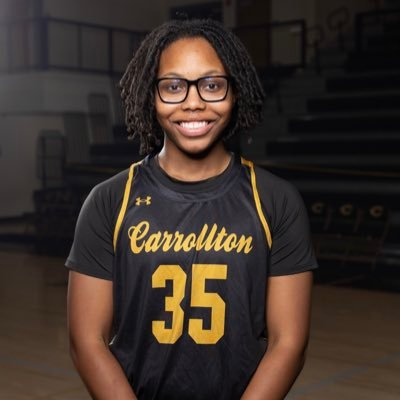
    Zuri Quintyne, a 2027 Carrollton High School girls basketball prospect, is a 6'0", 175-pound center/power forward whose physical presence, toughness, rebounding ability, and efficient interior production make her an intriguing college prospect.

    Carrying a 3.75 GPA while competing for Carrollton and Georgia Queen Elite, Quintyne brings substance to her profile academically and athletically.

    Her production reinforces the value she provides. 

    During the 2025–26 high school season, Quintyne averaged 8.6 points and 6.4 rebounds while shooting an impressive 53 percent from the field. 

    She accumulated 186 rebounds and provided a dependable interior presence for a Carrollton team that finished 25-4.

    Quintyne's game is built around physicality, efficiency, positioning, effort, and willingness to compete inside. 

    She can establish position around the basket, finish opportunities in traffic, rebound through contact, and give her team additional possessions.

    What makes Quintyne particularly interesting moving forward is the opportunity for continued development. 

    Expanding her perimeter skills, shooting range, ball handling, and face-up attack could make her an increasingly versatile frontcourt prospect. 

    Her combination of size, productivity, toughness, academics, and competitive experience gives college coaches plenty to continue evaluating.

    Player Information

    Name: Zuri Quintyne
    Class: 2027
    High School: Carrollton High School — Carrollton, Georgia
    Grassroots Program: Georgia Queen Elite
    Height: 6'0"
    Weight: 175 pounds
    Position: Center / Power Forward
    GPA: 3.75
    2025–26 Production: 8.6 PPG, 6.4 RPG, 53% FG
    High School Jersey: No. 35


    Evaluations

    Offensive Skill Evaluation

    Quintyne finishes efficiently around the basket, establishes strong position, rebounds offensively, and embraces physical contact.


    Defensive Evaluation

    Physicality, rebounding instincts, positioning, toughness, and interior presence allow Quintyne to impact possessions consistently defensively.


    Basketball IQ

    Quintyne understands positioning, recognizes rebounding opportunities, plays within structure, and makes productive decisions consistently throughout games.


    Intangibles

    Toughness, competitiveness, academic commitment, physical confidence, consistent effort, and team-oriented play strengthen Quintyne's overall profile.


    Areas for Improvement

    Expanding shooting range, perimeter mobility, ball handling, face-up attacks, and lateral quickness would increase versatility significantly.

    College Projection

    Zuri Quintyne projects as a physical college frontcourt prospect whose rebounding, efficiency, toughness, and willingness to battle inside should translate. 

    Her development could become especially interesting if she continues expanding her game away from the basket. 

    Becoming comfortable attacking from the high post, consistently knocking down perimeter shots, defending farther from the rim, and handling against pressure could significantly broaden her recruiting possibilities. 

    Quintyne possesses a foundation college programs can continue developing.

    Final Evaluation

    Zuri Quintyne brings physicality, efficiency, toughness, rebounding, and competitive production to the 2027 girls basketball recruiting class. 

    Her 53-percent field-goal efficiency and consistent work on the glass demonstrate her ability to positively influence winning. 

    At 6'0", continued development as a versatile forward will be important for her college projection. 

    Expanding her shooting, handling, mobility, and face-up game could elevate her considerably. 

    Quintyne is a prospect college coaches should continue evaluating closely throughout her senior season.

    Zoye Jones Emerging As Versatile 2027 Girls Basketball Prospect

    Zoye Jones Emerging As Versatile 2027 Girls Basketball Prospect

    Zoye Jones Emerging As Versatile 2027 Girls Basketball Prospect

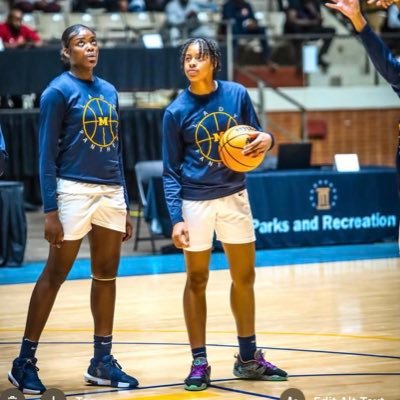
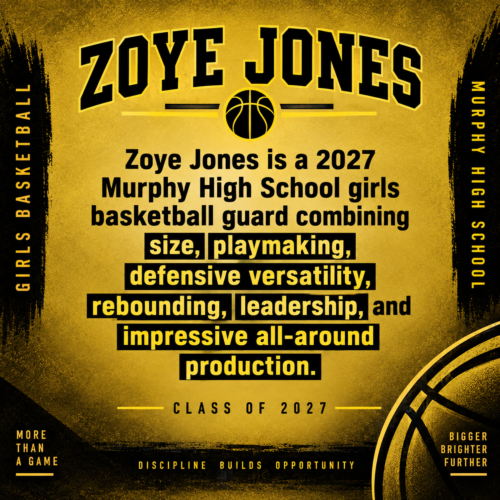
    Zoye Jones, Murphy High School Class of 2027 girls basketball guard, is developing an impressive profile built around versatility, production, length, playmaking, and defensive impact.

    The Mobile, Alabama prospect brings excellent positional size to the backcourt at approximately 5-foot-10 to 5-foot-11 and can contribute at either point guard or shooting guard.

    Jones separates herself through her ability to influence games in numerous ways. 

    Her statistical production reflects a guard capable of scoring, creating opportunities for teammates, rebounding, generating turnovers, and providing defensive activity across multiple positions. 

    During the 2025–26 season, she averaged approximately 14 points, six assists, five rebounds, four steals, and more than one block per game.

    Those numbers illustrate the completeness of her game.

    Jones possesses the size to create matchup problems while her passing production demonstrates legitimate playmaking ability. 

    Defensively, her length, instincts, and activity allow her to disrupt passing lanes and pressure opposing ball handlers.

    An All-State honorable mention selection and 2026 AHSAA North-South All-Star selection, Jones continues building an impressive basketball résumé. 

    Her combination of size, production, defensive versatility, leadership potential, and multi-sport athletic background makes her a compelling Class of 2027 prospect for college programs to continue evaluating.

    Player Information

    Player: Zoye Jones
    High School: Murphy High School — Mobile, Alabama
    Graduating Class: 2027
    Position: Point Guard / Shooting Guard
    Height: Approximately 5'10"–5'11"
    Jersey: #22
    GPA: Reported 3.5
    Sport: Girls Basketball
    Additional Sport: Flag Football
    Recognition: 2026 AHSAA North-South All-Star selection; Class 6A All-State honorable mention


    Offensive Skill Evaluation 

    Jones creates offense through penetration, passing, scoring versatility, court vision, size, and confident decision-making ability.

    Defensive Evaluation 

    Her length, instincts, anticipation, and activity create turnovers while providing valuable defensive versatility across positions consistently.

    Basketball IQ 

    Jones processes situations effectively, understands spacing, recognizes opportunities, creates teammates advantages, and makes productive decisions consistently.

    Intangibles 

    Competitive toughness, leadership, multi-sport athleticism, confidence, and willingness to impact winning strengthen her overall profile considerably.

    Areas for Improvement 

    Continued shooting consistency, tighter ball handling, finishing efficiency, and overall strength can elevate her college projection.


    Projection

    Jones projects as an intriguing college-level backcourt prospect because her value extends beyond one specific skill. 

    Her positional size, playmaking production, defensive versatility, rebounding ability, and willingness to facilitate provide coaches with multiple possibilities.

    She could develop as a primary ball handler, secondary creator, or bigger combination guard capable of defending multiple perimeter positions. 

    Continued improvement as a perimeter shooter and efficient scorer would make her offensive versatility even more difficult for opponents to handle.

    Most importantly, Jones has demonstrated an ability to contribute without needing scoring opportunities to define her impact. 

    Players who can create, defend, rebound, communicate, and affect winning in multiple areas provide valuable lineup flexibility.


    Final Evaluation 

    Zoye Jones represents an intriguing Class of 2027 girls basketball prospect whose versatility deserves continued college evaluation. 

    Her size, playmaking ability, defensive production, rebounding, leadership qualities, and multi-sport athleticism create an impressive foundation. 

    Jones impacts games beyond scoring and possesses tools capable of translating into multiple backcourt roles. 

    Continued development as a shooter, ball handler, and efficient finisher could strengthen her projection considerably. Her complete production makes Jones a prospect college programs should continue tracking closely.

    When Should A Sophomore Start Contacting College Coaches? Recruiting Advice For The Class Of 2029

    When Should A Sophomore Start Contacting College Coaches? Recruiting Advice For The Class Of 2029

    When Should A Sophomore Start Contacting College Coaches?

    Introduction

    When should a sophomore start contacting college coaches?

    My answer is simple: now.

    Not next summer. 

    Not when junior year begins. 

    Not after you score 25 points in a tournament. 

    And certainly not when senior year arrives and everyone suddenly realizes there isn't much time left.

    Sophomore year is not too early to begin the recruiting process.

    Notice what I said: begin the recruiting process.

    I didn't say a sophomore should expect scholarship offers tomorrow. 

    I didn't say every college coach will immediately respond. 

    I didn't say a 15- or 16-year-old basketball player should spend every waking moment worrying about college recruiting.

    What I am saying is that sophomore year is an excellent time to begin introducing yourself, researching schools, developing relationships, improving your game, creating recruiting materials, and learning how college recruiting actually works.

    Too many families confuse contacting coaches with asking coaches for scholarships.

    Those are two completely different things.

    Recruiting is a relationship-building process. 

    Relationships take time. Exposure takes repetition. 

    Player development takes years.

    Why would you intentionally wait?

    The recruiting landscape has become increasingly competitive. 

    High school prospects aren't simply competing against other high school prospects for roster opportunities. 

    College coaches are evaluating transfers, international prospects, junior college players, prep school athletes and other available talent.

    Sitting around waiting to "get discovered" is not a recruiting strategy.

    It's a gamble.

    And I wouldn't gamble four years of college opportunities on the hope that somebody eventually finds your highlight video.

    Recruiting Problem/Question: Is Sophomore Year Really Too Early?

    This is where I disagree strongly with some traditional recruiting thinking.

    Families are constantly told:

    "You're only a sophomore."

    "You've got plenty of time."

    "Wait until junior year."

    "The coaches will find you."

    Maybe.

    But what exactly is gained by waiting?

    If a sophomore contacts a college program appropriately, introduces themselves professionally, provides useful information and begins learning about that school, what's the downside?

    There isn't one.

    The goal isn't to pressure coaches.

    The goal is to get on the radar.

    There's an enormous difference.

    A college coach might read your email and do nothing.

    That's okay.

    A coach might watch 30 seconds of your film.

    That's progress.

    They might follow you on social media.

    That's another connection.

    They might put your name into their recruiting database.

    Now you're somewhere you weren't yesterday.

    They might eventually see you play at an AAU tournament six months later and recognize your name.

    That's how recruiting relationships can begin.

    Small steps.

    Repeated over time.

    Sophomore year gives student-athletes something incredibly valuable:

    time.

    Don't waste it.

    Recruiting Strategy: Build Relationships Before You Need Them

    One of the biggest recruiting mistakes I see is athletes suddenly becoming extremely interested in college coaches when they need something from them.

    Junior year arrives.

    Senior year gets closer.

    Panic sets in.

    Then come hundreds of emails:

    "Coach, are you recruiting my position?"

    "Coach, do you have scholarships?"

    "Coach, can you watch my highlights?"

    "Coach, are you interested?"

    That's backwards.

    Start building relationships before you're desperate for a roster spot.

    Sophomore year should be about creating a recruiting foundation.

    That means:

    • Research realistic college programs
    • Build your recruiting profile
    • Develop quality game film
    • Introduce yourself professionally
    • Follow programs of interest
    • Learn different college levels
    • Improve your academic profile
    • Continue developing your game

    And here's another point I believe families need to hear.

    Stop Making Division I The Entire Recruiting Plan.

    There's nothing wrong with wanting to play Division I basketball. Dream big.

    But recruiting should never become Division I or failure.

    There are outstanding opportunities throughout college basketball.

    Division II.

    Division III.

    NAIA.

    Junior college.

    Different levels provide different academic, athletic and financial opportunities.

    Sophomore year is the perfect time to learn about those options because there's no pressure yet to make an immediate decision.

    Explore.

    Research.

    Ask questions.

    Learn.

    Action Steps: What Should Sophomores Actually Do?

    Starting early doesn't mean randomly emailing 500 coaches.

    That's not strategy.

    A sophomore should begin with organization.


    1. Create Your Recruiting Information

    Put together accurate basic information coaches can quickly review.

    Include:

    • Full name and class
    • Height and playing position
    • High school and AAU
    • Current academic information
    • Contact information for coaches
    • Link to basketball film
    • Upcoming playing schedule

    Keep everything simple.

    College coaches don't need your autobiography.

    They need information.


    2. Build A College List

    Don't start with one dream school.

    Build a list.

    Research programs across several levels of college basketball.

    Consider:

    • Academic programs that fit
    • Appropriate basketball competition
    • School size and environment
    • Distance away from home
    • Potential financial considerations

    Your college list should evolve as your basketball ability, academics and preferences become clearer.

    A sophomore's list today shouldn't necessarily be identical to their list as a senior.

    That's perfectly normal.


    3. Send Introductory Emails

    Your first email doesn't need to be complicated.

    Introduce yourself.

    Explain why you're interested in the program.

    Provide your basic information.

    Include film.

    Give the coach your upcoming schedule when appropriate.

    Then move on.

    Do not write a 900-word recruiting email.

    Coaches are busy.

    Get to the point.


    4. Keep Improving Your Film

    One video isn't your recruiting career.

    As your game improves, your recruiting material should improve.

    Update coaches when you have something worth updating.

    New game film.

    A strong academic accomplishment.

    An updated schedule.

    Meaningful physical development.

    A significant basketball achievement.

    Give coaches a reason to keep evaluating you.


    5. Develop A Follow-Up System

    This is where many players disappear.

    They send one email.

    No response.

    Recruiting over.

    Absolutely not.

    A coach not responding doesn't automatically mean the coach isn't interested.

    College coaches receive enormous amounts of communication. 

    They're coaching games, practicing, recruiting, traveling, watching film, meeting players, dealing with current athletes and managing their programs.

    Follow up professionally.

    Not every day.

    Not every week with nothing new.

    Stay visible without becoming annoying.

    That's an important recruiting skill.


    Recruiting Isn't About One Email

    This deserves its own section because families misunderstand it constantly.

    One email rarely changes everything.

    One highlight video rarely changes everything.

    One tournament rarely changes everything.

    Recruiting exposure is cumulative.

    A coach may see your name several times before seriously evaluating you.

    Think about the process:

    Email.

    Film.

    Social media.

    AAU tournament.

    Another email.

    Updated film.

    High school season.

    Another evaluation.

    Academic update.

    Camp.

    Conversation.

    Relationship.

    That's recruiting.

    It's not always one dramatic moment where a coach discovers a player and immediately offers a scholarship.

    Sometimes it's months or years of evaluation.

    That's exactly why sophomore year matters.

    You're giving yourself a runway.


    Common Mistakes Sophomores Should Avoid

    Starting early is smart.

    Starting badly isn't.

    There are several mistakes players and parents should avoid.

    Expecting Immediate Offers

    You're building awareness.

    You're not demanding results.

    Some players develop physically later. Some improve dramatically between sophomore and senior year.

    Give coaches opportunities to watch that development.

    Sending Generic Messages

    "Dear Coach, I want to play college basketball."

    Great.

    So do thousands of other players.

    Tell the coach who you are and why you're contacting that particular program.

    Contacting Only Big Schools

    This might be the biggest mistake.

    A player will contact Duke, Kentucky, Ohio State, North Carolina and Michigan State and proudly say they're "doing recruiting."

    That's not a recruiting plan.

    That's a wish list!!!

    Build a broader strategy.

    Ignoring Your Academics

    Your transcript matters.

    Your GPA matters.

    Your classroom habits matter.

    Recruiting isn't simply about basketball.

    Being academically prepared can create more opportunities and make you easier for a college program to recruit.

    Parents Doing Everything

    Parents should absolutely help.

    But the student-athlete needs a voice.

    College coaches are recruiting the player, not Mom and Dad.

    Players should learn how to communicate, ask questions and develop professional relationships.

    These are valuable life skills beyond basketball.


    Advice For Players And Parents

    Parents, your job during sophomore year isn't to panic.

    It's to help create structure.

    Help your student-athlete organize information.

    Help research colleges.

    Help keep track of communication.

    Help ask important questions.

    But allow your child to become increasingly involved in their own recruiting.

    Players, your job is to understand something extremely important:

    Nobody should care more about your recruiting than you do.

    Your parents can help.

    Your high school coach can help.

    Your AAU coach can help.

    A recruiting service can help.

    A trainer can help.

    But ultimately, this is your future.

    Take ownership.

    Learn about schools.

    Watch college games.

    Study rosters.

    Learn the differences between divisions.

    Understand what coaches value.

    Work on weaknesses.

    Become a better student.

    Become a better communicator.

    Become a better basketball player.

    Recruiting should be part of your development—not something you suddenly turn on six months before graduation.


    Don't Confuse Early With Desperate

    This is probably the biggest message I want families to take from this article.

    Starting sophomore year doesn't mean being desperate.

    It means being prepared.

    There's nothing desperate about introducing yourself to a college coach.

    There's nothing desperate about researching colleges.

    There's nothing desperate about sending your schedule.

    There's nothing desperate about creating quality film.

    There's nothing desperate about learning how recruiting works.

    That's preparation.

    And preparation usually beats procrastination.

    Every year, players reach senior year wondering why recruiting hasn't happened.

    Sometimes the answer is uncomfortable.

    They waited.

    They assumed.

    They hoped.

    They believed someone else would handle everything.

    Then the calendar became the enemy.

    Sophomores have something seniors desperately wish they could get back:

    time.

    Use it.


    Conclusion: Start Building Your Recruiting Future Now

    So when should a sophomore start contacting college coaches?

    Now.

    Start intelligently.

    Start professionally.

    Start patiently.

    You don't need scholarship offers tomorrow.

    You need progress.

    Build your recruiting profile.

    Develop your basketball ability.

    Take academics seriously.

    Create quality film.

    Research colleges.

    Contact coaches.

    Follow up.

    Expand your options.

    And keep improving.

    College recruiting doesn't reward every player who starts early, and starting early guarantees absolutely nothing.

    But waiting guarantees something else:

    less time.

    I'd rather have two or three years to develop relationships, improve as a player, refine a college list and build recruiting exposure than suddenly attempt to manufacture all of that during senior year.

    Your sophomore season isn't too early.

    It's an opportunity.

    Use it.

    Why High School Recruiting Just Got Harder For The Class Of 2027

    Why High School Recruiting Just Got Harder For The Class Of 2027

    Why High School Recruiting Just Got Harder For The Class of 2027

    Introduction

    The Class of 2027 is entering one of the most competitive college basketball recruiting environments we have seen.

    That doesn't mean players should panic. It doesn't mean there aren't opportunities. 

    And it certainly doesn't mean talented high school basketball players should give up on their dreams of playing college basketball.

    But it does mean something important:

    The recruiting game has changed.

    High school prospects are no longer competing primarily against other high school prospects for college roster spots. 

    They are competing in a much larger basketball marketplace.

    College coaches can recruit players from the transfer portal. They can recruit junior college players. 

    They can recruit international prospects. 

    They can recruit prep school players. 

    They can pursue experienced college players who may be physically stronger, academically proven, and already accustomed to the college game.

    That creates a difficult question for every Class of 2027 prospect:

    Where do you fit?

    That's the question players and parents need to start answering right now.

    Division I basketball is an incredible goal. 

    Chase it if you have the ability.

    But Division I cannot be the only goal.

    Players need to investigate Division II, Division III, NAIA, junior colleges and every legitimate opportunity that could provide them with basketball, education and a path toward their future.

    The Class of 2027 doesn't necessarily have fewer dreams.

    They have more competition for those dreams.

    Recruiting Problem: Who Are High School Players Competing Against?

    Years ago, the recruiting equation was easier to understand.

    College coaches needed players. 

    They evaluated high school prospects, AAU players, junior college prospects and prep school players and tried to determine who could help their programs.

    That system still exists.

    But another enormous piece has been added to the equation: experienced college players changing schools.

    When a college coach needs a point guard, the coach doesn't automatically have to recruit a 17-year-old high school senior and wait for that player to develop.

    There may be an experienced college point guard available who has already played 50 college games.

    That's competition.

    When a program needs size, the coaching staff can evaluate high school post players. 

    But they can also look at transfers, junior colleges and international prospects.

    That's competition.

    College basketball recruiting has increasingly become about finding players who can help programs quickly.

    A high school player might have tremendous long-term potential, but coaches are under pressure to win.

    They may not always have two or three years to wait for that potential to develop.

    Today's prospect is competing against players with:

    • Proven college production
    • Greater physical maturity
    • College game experience
    • Established academic records
    • Several years of development

    That changes the recruiting equation considerably.

    The International Basketball Talent Pool Isn't Going Away

    There is another factor that high school players and parents need to understand: basketball recruiting has become increasingly global.

    College coaches aren't limited by geography.

    They can find prospects throughout Europe, Africa, Australia, Canada and other basketball markets around the world.

    Technology has made international recruiting easier.

    Video can be exchanged instantly. 

    Statistics can be researched. 

    Coaches can communicate with players and basketball programs thousands of miles away.

    A talented American high school basketball player isn't simply competing against the best players in Ohio, Michigan, Pennsylvania, Texas, Florida or California.

    Potentially, they're competing against the world.

    That's not something to fear.

    It's something to understand.

    The solution isn't complaining about international players or blaming the transfer portal.

    The solution is developing a smarter recruiting strategy.

    Strategy: Stop Recruiting With Tunnel Vision

    Here's where I believe many players and families make their biggest mistake.

    Everything becomes Division I.

    Division I scholarship.

    Division I offer.

    Division I interest.

    Division I or nothing.

    There is absolutely nothing wrong with wanting to play Division I basketball. If that's your dream, pursue it aggressively.

    But don't allow one dream to blind you to dozens of other opportunities.

    The goal should be finding the best college basketball opportunity for you.

    Sometimes that's Division I.

    Sometimes it's Division II.

    Sometimes it's Division III.

    Sometimes it's NAIA.

    Sometimes the smartest path begins at a junior college.

    The logo on the jersey shouldn't be more important than the opportunity.

    Ask better questions.

    Where can you play?

    Where can you develop?

    Where can you receive a quality education?

    Where can you afford to attend?

    Where does the coaching staff genuinely want you?

    Where can you graduate?

    Those questions matter.

    Recruit the opportunity, not the label.

    Action Steps For Class Of 2027 Prospects

    If you're a Class of 2027 basketball player, waiting around and hoping coaches discover you is not much of a recruiting strategy.

    You need to become proactive.

    Start now!!


    1. Build A Larger College List

    Twenty schools probably aren't enough.

    Neither are 30.

    Your recruiting list should include programs at multiple levels.

    Consider:

    • Division I programs
    • Division II programs
    • Division III programs
    • NAIA basketball programs
    • Junior college programs

    You can always narrow the list later.

    Your first objective should be identifying realistic possibilities.


    2. Evaluate Your Ability Honestly

    Everybody wants to hear that they're Division I.

    But recruiting decisions shouldn't be based entirely on what we want to hear.

    Where does your ability realistically fit?

    Talk to knowledgeable people.

    Ask coaches.

    Get evaluations.

    Watch players currently competing at the college level.

    Compare their size, strength, athleticism, skill, basketball IQ and production to your own.

    Honest evaluation doesn't destroy dreams.

    It helps create realistic paths toward them.


    3. Contact College Coaches

    Don't assume coaches know who you are.

    Send emails.

    Provide video.

    Provide your schedule.

    Include academic information.

    Share your contact information.

    Follow up.

    And keep communicating as your season develops.

    Your recruiting information should be easy for coaches to understand.

    Coaches shouldn't have to become detectives just to figure out who you are.


    4. Continue Improving

    Recruiting exposure without basketball development accomplishes very little.

    Keep improving:

    • Shooting consistency
    • Ball-handling ability
    • Defensive fundamentals
    • Physical conditioning
    • Decision-making skills

    College coaches are evaluating what you are today, but they're also projecting what you might become.

    Give them something worth projecting.


    5. Take Academics Seriously

    This gets overlooked far too often.

    Basketball may help open the college door.

    Education can change the direction of your entire life.

    Grades can also create opportunities.

    Strong academics may make you attractive to schools where basketball scholarships aren't available in the traditional sense but academic and institutional financial aid can help make college affordable.

    Don't wait until senior year to suddenly become concerned about your transcript.


    Common Recruiting Mistakes

    The Class of 2027 cannot afford to waste valuable recruiting time.

    Some mistakes can be corrected.

    Others can cost opportunities.

    One of the biggest mistakes is assuming that recruiting will eventually take care of itself.

    It won't.

    Another is believing AAU basketball automatically equals recruiting exposure.

    Playing in front of college coaches can help, but simply being inside the gym doesn't guarantee anyone is evaluating you seriously.

    Another mistake is chasing prestige instead of opportunity.

    Players sometimes ignore a school showing legitimate interest because they're waiting for a bigger name.

    Then the bigger name never comes.

    Meanwhile, the original opportunity disappears.

    Avoid these mistakes:

    • Waiting too long
    • Chasing only Division I
    • Ignoring smaller programs
    • Sending poor video
    • Neglecting your academics
    • Never contacting coaches
    • Assuming offers will come

    Recruiting requires activity.

    Hope is important.

    Hope without a strategy isn't recruiting.


    Advice For Players And Parents

    Parents, this part is important.

    Your son or daughter does not need additional pressure during the recruiting process.

    They need information.

    They need guidance.

    They need honesty.

    And sometimes they need someone willing to say, "Maybe we need to broaden our search."

    That's not failure.

    That's smart recruiting.

    A player who dreamed about Division I basketball at 14 years old may eventually discover that an excellent Division II, Division III or NAIA program provides everything they're actually looking for.

    Playing time.

    Great coaching.

    Competitive basketball.

    Financial assistance.

    A strong academic program.

    A college degree.

    A positive environment.

    Those things should matter.

    Don't become so obsessed with telling everyone your child received a Division I offer that you forget the actual purpose of college.

    Basketball eventually ends.

    For everybody.

    Maybe at 18.

    Maybe at 22.

    Maybe at 35.

    But eventually the ball stops bouncing professionally or competitively, and life continues.

    The education remains.

    A diploma can help you get a job.

    A college degree, combined with skills, relationships and experience, can help you build a career.

    That is why recruiting should never be reduced to basketball alone.

    The real victory isn't simply getting recruited.

    The real victory is using basketball to create opportunities that can benefit you for decades.

    The Class Of 2027 Needs A Different Mindset

    Here is where I become somewhat opinionated.

    I believe too many people in basketball have helped create the idea that Division I is the only level worthy of celebration.

    Social media certainly hasn't helped.

    Offers are announced.

    Rankings are posted.

    Commitments become graphics.

    Everything becomes a competition.

    Who has the most offers?

    Who has the biggest offer?

    Who is ranked highest?

    Who has the most followers?

    None of that guarantees happiness, playing time, development or a college degree.

    There are outstanding basketball players at every level of college basketball.

    There are outstanding coaches at every level.

    And there are successful people walking around this country who played Division II, Division III, NAIA or junior college basketball.

    The objective should not be winning social media recruiting.

    The objective should be winning your future.

    If you're good enough to play Division I, pursue it.

    If Division II provides an incredible opportunity, pursue it.

    If a Division III coach believes in you and the school offers the education you're looking for, investigate it.

    If an NAIA program provides basketball, education and financial assistance, take it seriously.

    Don't allow ego to eliminate opportunity.

    Conclusion: Recruiting Got Harder So Get Smarter

    The Class of 2027 is facing a recruiting environment very different from previous generations.

    The transfer portal has expanded the options available to college coaches.

    International recruiting has expanded the talent pool.

    Junior college players remain important recruiting options.

    College coaches can choose between developing an inexperienced high school prospect or adding an experienced player who may be able to contribute immediately.

    None of that means high school players are finished.

    It means their strategy has to improve.

    Broaden your search.

    Contact more programs.

    Research more schools.

    Develop your game.

    Improve your academics.

    Create quality video.

    Communicate with coaches.

    Understand your level.

    And most importantly, don't overlook an excellent college opportunity because the division wasn't the one you imagined when you were 14 years old.

    Basketball is the vehicle.

    Education is the destination.

    The Class of 2027 still has tremendous opportunities available.

    But opportunities don't always arrive wearing the logo you expected.

    Keep your eyes open.

    Keep working.

    Keep communicating.

    And when the right college opportunity appears, be smart enough to recognize it.

    Marian Davis Emerging 2029 Ohio Girls Basketball Point Guard

    Marian Davis Emerging 2029 Ohio Girls Basketball Point Guard

    Marian “Sissy” Davis: 2029 Girls Basketball Point Guard Prospect

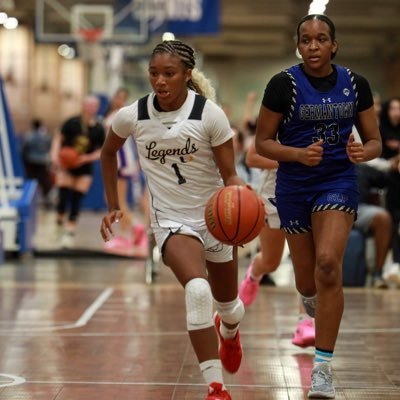
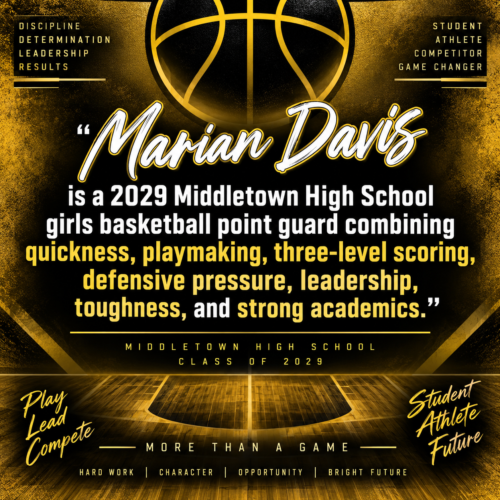
    Marian “Sissy” Davis, a Class of 2029 point guard at Middletown High School in Ohio, is an emerging girls basketball prospect who brings quickness, toughness, playmaking ability, and relentless defensive energy to the court.

    The 5-foot-5 guard carries a 3.471 GPA and also competes in track as a hurdler, displaying athleticism that complements her basketball development.

    Davis takes pride in being a floor general who controls tempo, creates opportunities, and keeps teammates involved. 

    Her quick, shifty style allows her to attack defenders, navigate traffic, make multiple reads, and create scoring opportunities for herself and others. 

    She possesses the confidence to score from all three levels while maintaining an unselfish approach.

    Defensively, Davis embraces challenging assignments. 

    She is willing to pick up opposing ball handlers for 94 feet, applying pressure and using her quickness to generate steals, deflections, and disrupted possessions.

    Davis also competes in grassroots basketball with Legends U, giving her additional opportunities to develop against quality competition. 

    Her combination of academics, athletic versatility, competitiveness, point guard instincts, and defensive toughness provides a strong foundation. 

    Continued development could make Davis an increasingly intriguing prospect throughout her high school basketball career.

    Player Information

    Player: Marian “Sissy” Davis
    High School: Middletown High School
    Location: Ohio, USA
    Graduation Class: 2029
    Height: 5'5"
    Position: Point Guard
    Sport: Girls Basketball
    AAU Program: Legends U
    GPA: 3.471
    Additional Sport: Track
    Track Event: Hurdles


    Evaluations


    Offensive Skill Evaluation

    Davis combines quickness, shifty handles, three-level scoring, court vision, pace control, and unselfish playmaking consistently offensively.


    Defensive Evaluation

    Davis applies relentless full-court pressure, creating steals, deflections, turnovers, and uncomfortable possessions for opposing guards consistently.


    Basketball IQ

    Davis processes multiple reads, understands tempo, recognizes defensive reactions, and creates quality opportunities for teammates consistently.


    Intangibles

    Davis brings toughness, confidence, leadership, competitiveness, unselfishness, energy, and determination every time she takes court seriously.


    Areas for Improvement

    Davis should continue developing physical strength, shooting consistency, finishing through contact, and decision-making against length defensively.


    Projection

    Marian Davis projects as a developing two-way point guard whose combination of ball-handling, playmaking, scoring versatility, and defensive pressure gives her an encouraging foundation. 

    As a Class of 2029 prospect, she has significant development ahead physically and technically. 

    Continued improvement in strength, perimeter shooting consistency, finishing against size, and half-court decision-making could expand her long-term potential. 

    Her competitive approach, willingness to defend 94 feet, and ability to lead an offense make her development worth monitoring.


    Final Evaluation

    Marian Davis is an intriguing Class of 2029 girls basketball prospect whose quickness, toughness, playmaking, defensive pressure, and leadership create a promising foundation. 

    Her willingness to defend 94 feet and involve teammates strengthens her value as a developing point guard. 

    Continued improvement in strength, shooting consistency, finishing through contact, and decision-making should elevate her overall game. 

    With continued development, Davis has an opportunity to become a prospect college coaches should closely monitor throughout high school.