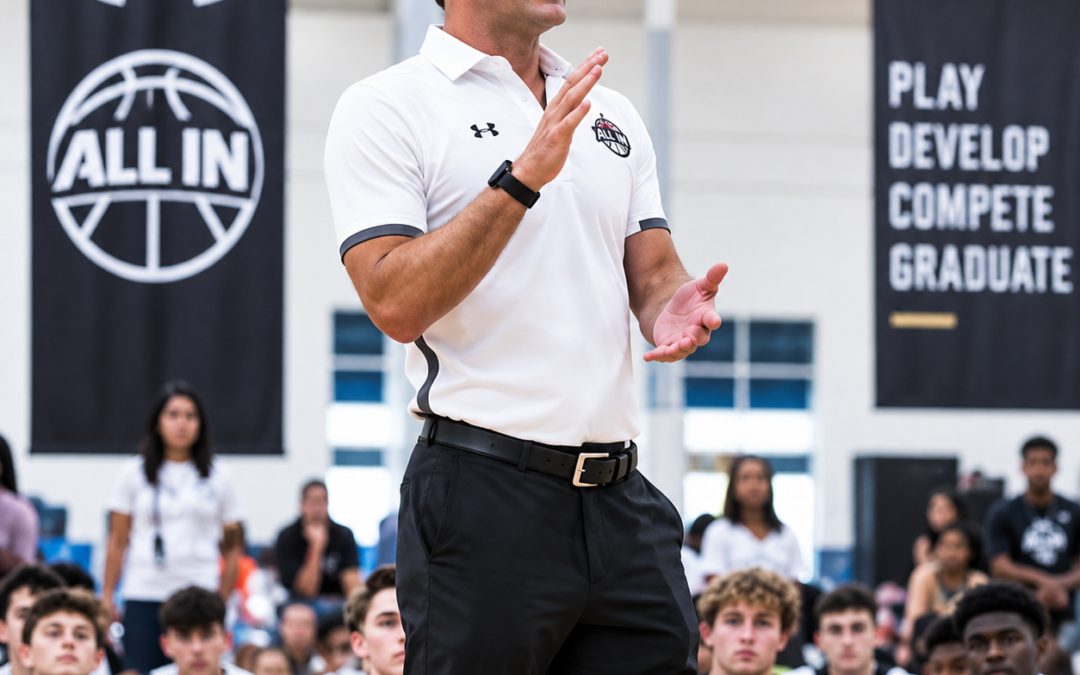
Ryan Silver’s All In Elite Is Building A Grassroots Basketball Powerhouse

Ryan Silver’s All In Elite Is Building A Grassroots Basketball Powerhouse
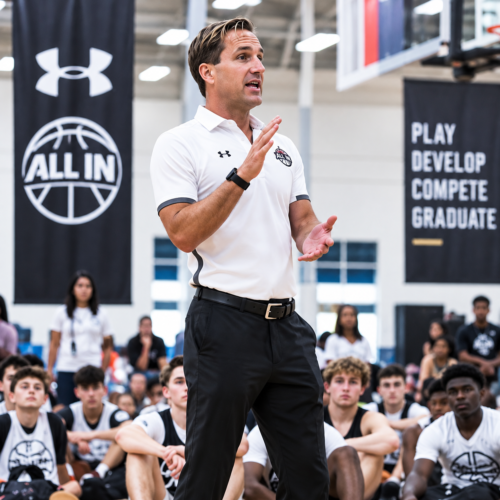
Ryan Silver’s All In Elite Is Building A Grassroots Basketball Powerhouse

Grassroots basketball is filled with teams. It is filled with tournaments, showcases, shoe circuits, rankings and organizations promising exposure.

But building teams is one thing.

Building infrastructure is something entirely different.

That is what makes Ryan Silver and All In Elite worth watching.

All In Elite has developed into an expansive grassroots basketball organization with boys and girls programs, an Under Armour connection, a growing geographic footprint, college basketball alumni, an academic philosophy and a coaching network extending beyond the players wearing its uniforms.

The organization's current website says All In Elite operates in 40 cities with 400 teams, has more than 150 active college basketball players, has spent more than 14 years as a UAA member and has seen more than 50 professional or college coaches hired from its network. 

All In Elite identifies Ryan Silver as its founder and says the organization was established in 2012.

Those numbers tell you something important.

This has become much bigger than one AAU basketball team.


Why All In Elite Matters

Grassroots basketball organizations can have tremendous influence over the development and recruiting journeys of young players.

The best programs don't simply put players into tournaments.

They create networks.

All In Elite's network connects players with coaching, competition, recruiting opportunities, academics and relationships throughout basketball.

Its official website describes the organization as Under Armour-sponsored and competing within the Under Armour Association. 

It also says Ryan Silver serves on Under Armour's grassroots Board of Directors.

That places All In Elite inside a much larger basketball ecosystem.


Ryan Silver's Basketball Journey

Ryan Silver has been involved in grassroots basketball for years.

Before All In Elite reached its current scale, Silver became closely associated with West Coast Elite Basketball. 

His West Coast Elite biography identifies him as president of West Coast Elite Under Armour and West Coast Elite Basketball and credits him with helping hundreds of student-athletes reach colleges around the country.

That history matters because All In Elite didn't emerge from nowhere.

Silver already understood tournaments, recruiting, college relationships, grassroots basketball and organizational growth.

All In Elite represents another stage in that journey.


More Than Basketball

One of the strongest aspects of the All In Elite philosophy is something called the 40 Year Plan.

Basketball careers end.

Education and life continue.

All In Elite lists five pillars behind its program:

  • The 40 Year Plan
  • Attitude of Gratitude
  • Helping Other People
  • Basketball Eventually Ends
  • Commitment To Academics

The organization emphasizes its history of players attending Ivy League, Patriot League and academically selective Division III institutions. 

Its website says that at one point seven All In Elite players were attending Harvard.

That philosophy separates the conversation from the usual grassroots obsession with rankings and scholarship offers.


Building Opportunities Beyond Players

Another fascinating part of All In Elite is its coaching pipeline.

The organization says Ryan Silver has helped place more than 60 coaches, assistant athletic directors and sports executives into opportunities throughout basketball.

Think about what that means.

The organization isn't only developing players.

It is potentially developing future coaches, administrators, scouts, executives and basketball professionals.

That creates something far more valuable than a collection of teams.

It creates a basketball network.


The AAU Connection

The reach became even more significant in October 2024 when the Amateur Athletic Union announced a partnership with Silver and the ALL IN organization.

The AAU appointed Silver as its West Coast Director of AAU Boys' Basketball and said at the time that the collaboration was expected to bring more than 15,000 additional athletes into AAU basketball over the following two years.

The AAU announcement also said Silver directed more than 100 club teams on the West Coast.

That partnership demonstrates how far Silver's influence has expanded beyond operating individual grassroots teams.


Original Analysis: Building Basketball Infrastructure

Here is what I believe people sometimes misunderstand about successful grassroots basketball organizations.

Their greatest asset isn't necessarily the uniform.

It isn't even the tournaments.

It's the network.

A network connects players to coaches.

It connects coaches to opportunities.

It connects families to information.

It connects college programs to prospects.

And eventually, successful former players and coaches can become part of that same network.

Ryan Silver appears to understand that concept extremely well.


What Makes All In Elite Different

The combination is what stands out.

There is competition.

There is recruiting.

There is player development.

There is academic positioning.

There is a coaching pipeline.

There are relationships with major basketball organizations.

And there is an emphasis on what happens after basketball.

All In Elite also publicizes major scholarship-impact figures. 

Because various Silver-affiliated materials have used different cumulative totals over time, those figures should be understood as organizational claims rather than independently verified totals. 

What is clear is that educational opportunity is a major part of the organization's public identity.


Al Woods Perspective

I've been around basketball long enough to understand that winning games gets attention, but building something sustainable requires much more.

What interests me about Ryan Silver isn't simply the number of teams connected to All In Elite.

It's the structure behind those teams.

When you're talking about hundreds of teams, multiple cities, college players, coaches moving into professional opportunities, academic placement and relationships with organizations such as Under Armour and AAU, you're talking about an ecosystem.

Grassroots basketball needs organizations that understand players are eventually going to become adults with careers and responsibilities beyond basketball.

That 40 Year Plan philosophy gets my attention.

Because eventually every scoreboard turns off.

The question becomes: 


What The Basketball Community Can Learn

Grassroots programs should be thinking beyond next weekend's tournament.

Develop the player.

Educate the family.

Build coaching relationships.

Emphasize academics.

Create opportunities for coaches.

Prepare athletes for life after basketball.

And build something capable of helping people long after their final game.


Conclusion

Ryan Silver's impact on grassroots basketball cannot be measured simply by counting teams.

The bigger story is the network being built around them.

All In Elite has expanded across numerous cities while connecting grassroots basketball with Under Armour competition, academics, college recruiting, coaching development and broader AAU involvement.

That's why Ryan Silver and All In Elite belong in the Woods Recruiting Movers & Shakers conversation.

They aren't simply participating in grassroots basketball.

They're helping build the infrastructure around it.


Author / Byline

Al Woods | Woods Recruiting

Al Woods is a former high school, college and professional basketball player and the founder of Woods Recruiting. 

Through decades of experience evaluating talent and studying the recruiting landscape, Woods provides independent scouting coverage of high school prospects while documenting the coaches, trainers, scouts, grassroots organizations and basketball leaders influencing the game. 

His Movers & Shakers series goes beyond wins, rankings and social-media popularity to examine the people and organizations creating opportunities, developing athletes and leaving a meaningful footprint throughout basketball.
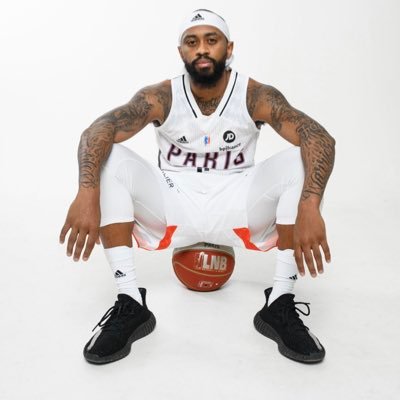
Ryan Boatright Begins New Basketball Chapter At University Of San Francisco

Ryan Boatright Begins New Basketball Chapter At University Of San Francisco

Ryan Boatright Begins A New Basketball Chapter At San Francisco

Some basketball careers end when the final buzzer sounds.

Others simply change direction.

For Ryan Boatright, one of the most accomplished guards to come out of the Chicago-area basketball scene, the next chapter has officially begun.

On September 14, 2026, the University of San Francisco announced Ryan Boatright as its new Assistant Coach/Director of Player Development for men's basketball. 

It is Ryan Boatright's first college coaching position following an 11-season professional playing career.

This is more than another former player joining a college coaching staff.

Ryan Boatright brings something to San Francisco that cannot be manufactured through clinics, coaching manuals or instructional videos.

He has lived the development process.

Ryan Boatright has been the highly recruited high school star. 

He has played under enormous expectations at UConn. 

He has won a national championship. 

He has experienced professional basketball in the United States and overseas. 

He has been challenged by different coaches, systems, cultures and styles of basketball.

Now he gets to turn that basketball education into development for somebody else.


Ryan Boatright Was A Star Long Before UConn

Ryan Boatright's basketball reputation was established well before he arrived in Storrs.

At East Aurora High School in Illinois, Ryan Boatright became an explosive scoring guard and one of the state's premier players. 

During his senior season, he averaged 31.2 points per game, scored more than 40 points seven times and produced individual scoring performances of 55 and 63 points.

Ryan Boatright was named Illinois Co-Mr. 

Basketball, earned First-Team All-State recognition and was selected as ESPNChicago.com's Player of the Year.

Those numbers tell part of the story.

The bigger story is that Ryan Boatright learned early how to carry expectations.

That matters when you're trying to develop young college basketball players who may be dealing with pressure, playing time, expectations, confidence and the transition from being a high school star to becoming one piece of a college basketball program.

Ryan Boatright has already walked that road.


Becoming A Champion At UConn

Ryan Boatright played at UConn from 2011 through 2015 and developed into far more than a scorer.

He finished his career with 1,786 points and 491 assists. 

At the conclusion of his career, he ranked eighth in UConn history in scoring and ninth in assists. 

Ryan Boatright and Shabazz Napier were then the only two Huskies ranked among the program's top 10 in both categories.

But statistics alone cannot explain Ryan Boatright's UConn career.

The defining accomplishment came in 2014.

Ryan Boatright helped the Huskies capture the NCAA national championship, earning All-Final Four Team honors during UConn's title run.

Championship experience matters.

Ryan Boatright understands what happens when preparation, talent, sacrifice, leadership and pressure collide on college basketball's biggest stage.

That experience gives him instant credibility when talking to a young player about preparation.

He isn't teaching championship standards as a theory.

He experienced them.


Ryan Boatright Learned How To Lead

Ryan Boatright's senior season provided another piece of his basketball education.

With established veterans from the championship team gone, Ryan Boatright became one of the players responsible for carrying the program forward.

He averaged 17.4 points and 3.8 assists, led the American Athletic Conference in scoring and earned unanimous First-Team All-AAC recognition. 

He also led UConn in assists, steals, three-point percentage, free-throw percentage and minutes played.

That progression should matter to San Francisco.

Player development isn't only teaching someone how to shoot better or tighten their handle.

It's helping players understand responsibility.

It's teaching leadership.

It's explaining why preparation matters when nobody is watching.

It's helping a talented player understand that becoming dependable can be just as important as becoming spectacular.

Ryan Boatright learned those lessons through experience.


Eleven Seasons Became A Basketball Education

Ryan Boatright went undrafted in 2015, but instead of allowing that moment to define his basketball story, he kept playing.

His professional career lasted 11 seasons.

Ryan Boatright competed in the NBA G League with the Grand Rapids Drive, Agua Caliente Clippers and Texas Legends and participated in NBA Summer League with the Brooklyn Nets. 

His international career included stops in Spain, France, Lithuania and Türkiye.

That journey may ultimately make Ryan Boatright an even more valuable player-development coach.

Professional basketball forces players to adapt.

Different coaches.

Different teammates.

Different offensive systems.

Different expectations.

Different countries.

Different cultures.

And sometimes completely different roles.

Every stop adds something to a player's basketball education.

Ryan Boatright accumulated more than a decade of those lessons.


Coaching Became The Natural Next Step

Interestingly, Ryan Boatright didn't always envision himself becoming a coach.

After retiring following the 2024-25 season, however, the possibility became increasingly natural. 

Ryan Boatright described himself as essentially having been a coach on the floor as a point guard and spent the following year exploring coaching opportunities.

He also participated in the coaching program at the NBA Top 100 Camp and communicated with UConn coaches Dan Hurley and Kimani Young while considering his next move.

Then San Francisco provided the opportunity.

Head coach Chris Gerlufsen hired Ryan Boatright as Assistant Coach/Director of Player Development, emphasizing the championship experience and professional knowledge Boatright can bring to the Dons.

And I believe the player-development portion of that title is important.

Ryan Boatright has spent virtually his entire basketball life developing.

From Aurora to Connecticut.

From college basketball to professional basketball.

From the United States to overseas leagues.

Now the assignment changes.

Instead of developing himself, Ryan Boatright will be responsible for helping develop the next player.


Al Woods Perspective: Experience Has Value

Basketball has become obsessed with finding the next thing.

The next prospect.

The next ranking.

The next transfer.

The next star.

But sometimes we overlook the enormous value of basketball experience.

Ryan Boatright has experienced parts of this game most young players are still dreaming about.

He has been highly recruited. 

He has played major Division I basketball. He has experienced March Madness pressure. 

He has stood on top of college basketball as a national champion. 

He has experienced professional basketball without the security of becoming an established NBA player. 

He kept grinding and built an 11-season professional career anyway.

Those experiences matter.

The best player-development coaches aren't simply people who know drills.

They understand players.

They understand adversity.

They understand adjustments.

They understand that basketball careers rarely travel in perfectly straight lines.

Ryan Boatright's basketball career certainly didn't.

And that might become one of his greatest strengths as a coach.


A New Beginning For Ryan Boatright

Ryan Boatright arrives at San Francisco with no lengthy college coaching résumé.

That's what makes this chapter interesting.

We are watching the coaching story begin.

The basketball résumé has already been built.

High school star.

UConn standout.

National champion.

Professional basketball player.

International veteran.

Now comes the opportunity to determine what Ryan Boatright can become from the other side of the sideline.

For a man who spent years directing teammates from the point guard position, coaching may not be as dramatic a transition as it first appears.

Ryan Boatright spent his basketball career learning the game.

Now he gets to teach it.

And that makes his next chapter worth watching.


Author/Byline

By Al Woods | Woods Recruiting

Al Woods is a former high school, college and professional basketball player and the founder of Woods Recruiting. 

Drawing from decades around the game, Woods provides independent scouting, recruiting education and original basketball commentary while spotlighting the players, coaches, trainers, evaluators and basketball leaders whose work is shaping the game beyond the headlines. 

His Movers & Shakers series focuses on the people building, teaching, developing and influencing basketball at every level.

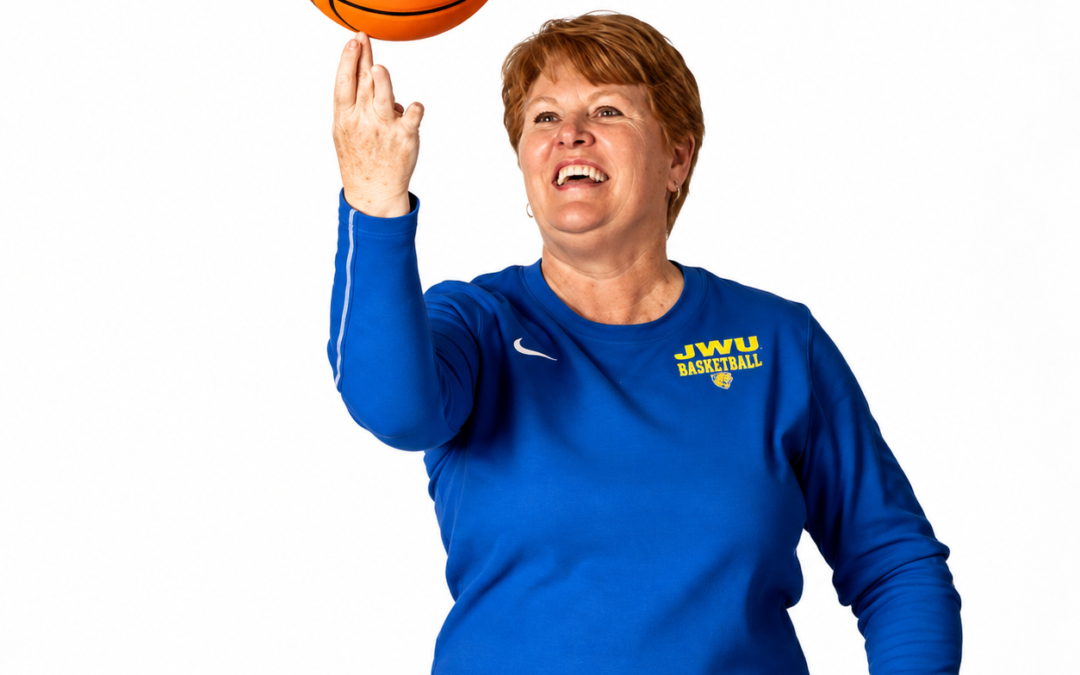
Jill Dunn Is Using Decades Of Basketball Experience To Guide The Next Generation

Jill Dunn Is Using Decades Of Basketball Experience To Guide The Next Generation

Jill Dunn Is Using Decades Of College Coaching Experience To Guide The Next Generation

There are basketball people who know the game from one perspective, and then there are people who have spent a lifetime seeing it from almost every angle.

Jill Dunn belongs in the second group.

Jill Dunn has been a Division I basketball player. 

She has recruited players. 

She has served as an assistant coach, recruiting coordinator and college head coach. 

She has evaluated prospects, built programs and coached successful teams. 

Today, Jill Dunn continues to impact girls and women’s basketball through recruiting consulting, scouting and media work.

That combination is what makes her story worth telling.

In an era when basketball advice is everywhere, experience still matters. 

Jill Dunn isn't attempting to understand college recruiting from the outside looking in.

She spent decades on the inside.


Why Jill Dunn Matters To Girls Basketball

Jill Dunn's basketball journey stretches back more than three decades.

Originally from Dalton, Georgia, Jill Dunn played at Georgia Southern University from 1989 through 1993. 

She became a four-year letterwinner, helped Georgia Southern win conference championships in 1990 and 1993 and served as a senior captain on a team that advanced to the 1993 NCAA Tournament.

Her playing career eventually earned Jill Dunn induction into the Georgia Southern Athletics Hall of Fame.

But playing basketball was only the beginning.

Jill Dunn moved into coaching and began accumulating the kind of experience that eventually would make her uniquely equipped to advise young players and their families.


Learning College Basketball From The Inside

Jill Dunn began her college coaching career as an assistant at South Carolina from 1994 through 1997.

She later joined Western Carolina before becoming the program's head women's basketball coach. 

Jill Dunn then moved to Miami University in Ohio, where she worked as the top assistant and recruiting coordinator.

That recruiting experience is especially significant today.

College recruiting can be confusing to families because they're often trying to understand what coaches want without ever having sat in those coaches' offices.

Jill Dunn has.

She knows what happens when coaches discuss prospects. 

She understands evaluations, roster construction, recruiting needs and the difficult decisions programs make when determining which players to pursue.

That knowledge wasn't acquired through theory.

It came from doing the job.


Building Programs And Winning

Jill Dunn later joined Georgia State, where the program won three consecutive Atlantic Sun championships from 2001 through 2004 and reached back-to-back NCAA Tournaments.

Then came one of the defining chapters of her career.

Jill Dunn became the head women's basketball coach at Jacksonville University in 2004 and remained there for nine seasons.

Her Jacksonville teams produced consecutive 20-win seasons, reached the Atlantic Sun championship game three times and earned victories over programs that included Florida, Miami and Wake Forest.

More than 25 program records were established during her tenure.

But there is another accomplishment that deserves just as much attention as the victories.

All 29 players who played for Jill Dunn at Jacksonville graduated.

That is impact.

College athletics should never be measured strictly by wins, trophies and postseason appearances. 

Players eventually stop playing. 

The degree, education, relationships and preparation for life remain.

Jill Dunn's Jacksonville record speaks to both sides of college athletics.


Jill Dunn Continued Building

After Jacksonville, Jill Dunn joined VCU as an assistant for the 2013-14 season, helping a team that finished 22-10 and reached the Women's National Invitation Tournament.

Years later, she returned to the head-coaching chair at Johnson & Wales University Charlotte.

Once again, Jill Dunn produced results.

Across four seasons, she led Johnson & Wales to 76 victories and four consecutive USCAA national semifinal appearances, including two national runner-up finishes.

Jill Dunn was named the 2022 USCAA Division II Women's Basketball National Coach of the Year.

Her players earned All-American honors, national academic recognition and major individual awards.

By the time Jill Dunn stepped away from Johnson & Wales in 2025, she had accumulated something extremely valuable:

Perspective.


From Recruiting Players To Guiding Them

Jill Dunn's current work with AssistU Recruiting creates an interesting full-circle moment in her basketball journey.

For years, Jill Dunn was the coach evaluating recruits.

Now she's helping players and families understand recruiting.

That difference matters.

There are countless opinions about college basketball recruiting. 

Families hear about exposure, offers, rankings, showcases, highlight videos and social media promotion.

But recruiting is much deeper than any one of those things.

Jill Dunn understands the process from the coach's chair.

She knows talent matters, but so do fit, academics, character, development, positional needs and timing.

That is valuable knowledge for families trying to make sense of an increasingly complicated recruiting landscape.


Still Evaluating The Game

Jill Dunn hasn't stopped studying players either.

Her work as a Prep Girls Hoops scout keeps her connected to emerging prospects and grassroots girls basketball. 

She evaluates areas such as shooting, physicality, basketball IQ, rebounding, versatility, footwork and long-term potential.

Her public biography also identifies Jill Dunn as a color analyst for Queens University women's basketball.

Think about that basketball journey:

Player. Coach. Recruiter. Head coach. Scout. Consultant. Analyst.

Very few basketball professionals can legitimately check that many boxes.


What Makes Jill Dunn Different

The most powerful part of Jill Dunn's story may not be any individual championship, coaching award or career accomplishment.

It's the accumulation of experience.

Basketball changes.

Recruiting changes.

Rules change.

Technology changes.

The transfer portal has changed roster management. 

Social media has changed exposure. 

The growth of girls basketball has created additional opportunities while also creating more noise for families attempting to determine what information they should trust.

Experience becomes incredibly valuable in that environment.

Jill Dunn has watched the game evolve while continuing to evolve with it.


The Al Woods Perspective

What stands out to me about Jill Dunn is credibility.

I have always believed that basketball experience matters, particularly when people are advising student-athletes and families about recruiting.

Jill Dunn has lived this process from both sides.

She knows what it feels like to be the player.

She knows what it means to recruit the player.

She knows the responsibility of coaching the player.

And now she understands what it means to help families navigate decisions that could affect the next four years of a young person's life.

That's powerful.


What The Basketball Community Can Learn

The lesson from Jill Dunn's career is simple: knowledge becomes even more valuable when it is passed forward.

Young coaches should study experienced basketball people.

Players should seek information from people who understand the level they're trying to reach.

Parents should ask questions and learn how college coaches actually evaluate prospects.

And basketball veterans shouldn't believe their influence ends when they leave the coaching bench.

Sometimes their greatest contribution may come afterward.


Conclusion

Jill Dunn has already spent decades giving something to basketball.

She played the game. She coached it. She recruited. She built programs. She evaluated talent. 

She helped student-athletes graduate. She won games and developed players.

And she isn't finished contributing!!

Jill Dunn is now using those decades of experience to educate, evaluate, communicate and help another generation of girls basketball players understand the road ahead.

That is why Jill Dunn belongs in the Woods Recruiting Movers & Shakers series.

Her story isn't simply about where she has been.

It's about what she's doing with everything she learned along the way.


Author/Byline

By Al Woods | Woods Recruiting

Al Woods is a longtime basketball scout, evaluator and founder of Woods Recruiting, providing independent coverage of student-athletes, coaches, grassroots basketball and the influential people helping shape the game. 

Through the Movers & Shakers series, Woods highlights basketball figures whose experience, leadership and impact deserve greater recognition.

Sam Rines Has Spent Decades Finding Basketball Players Others Overlook

Sam Rines Has Spent Decades Finding Basketball Players Others Overlook

Sam Rines Has Spent Decades Finding Basketball Players Others Overlook

Basketball has plenty of people willing to attach themselves to a five-star prospect after everybody already knows the name.

The harder work happens somewhere else.

It happens with the player who needs another year. 

The prospect without enough exposure. 

The athlete who needs development before college coaches take notice. 

The player whose ability is legitimate but whose recruiting situation hasn't caught up with the talent.

Sam Rines has spent decades operating in that part of basketball.

His journey has stretched across playing, coaching, grassroots basketball, player development, prep basketball, scouting, recruiting and college placement.

That's what makes Sam Rines an intriguing basketball figure.

He isn't simply trying to identify talent.

Sam Rines has built much of his basketball life around helping talent move forward.


Why Sam Rines Matters

The basketball world loves instant results.

Development doesn't work that way.

Sam Rines has remained connected to the game through enormous changes in grassroots basketball and college recruiting. 

His involvement dates back decades, giving him a perspective that extends from an era before social media and highlight clips to today's recruiting environment.

That longevity matters because basketball relationships aren't built overnight.

Neither is credibility.

When you've spent decades evaluating players, coaching athletes and communicating with people throughout basketball, eventually your network becomes part of your value.


Basketball Is In The Rines Family

Sam Rines' connection to basketball began long before Rocktop Academy.

Rines attended La Salle University and played for the Explorers during the late 1980s. 

Basketball was also part of the family. His father had coaching connections to La Salle and founded the James Fox Basketball League.

For Sam Rines, basketball wasn't something discovered later as a business opportunity.

It was already part of the family foundation.

His grassroots involvement stretches back to the early 1990s, and his basketball journey would eventually include AAU, summer basketball, recreational leagues, prep programs, training and scouting.

Over the years, Sam Rines has also reported working with numerous players who eventually reached major levels of basketball, including Kobe Bryant, Richard Hamilton, Kyle Lowry, Tyreke Evans and Kyle Kuzma.

The significance isn't about claiming responsibility for what those players became.

It's about understanding just how long Sam Rines has operated inside serious basketball circles.


Rise Academy And Rocktop Academy

One of the most important chapters of the Sam Rines story is Rise Academy.

Rines founded Rise Academy in 2000 and developed a program centered around basketball development, competition and opportunities for athletes attempting to advance their careers.

That philosophy eventually carried into Rocktop Academy.

Rocktop represents something important in today's basketball landscape: another pathway.

Not every athlete's recruiting journey follows a straight line from high school stardom to a scholarship.

Some need time.

Some need strength.

Some need better competition.

Some need exposure.

Some simply need somebody who believes there is more basketball inside them than everyone else currently sees.

That is where development becomes more important than hype.


Sam Rines Isn't Just Collecting Talent

This may be the most interesting part of the story.

Anybody can become excited about a finished product.

Development requires imagination.

A coach must be able to look at what a player is today and envision what that player could become six months or a year later.

Sam Rines' publicly stated training philosophy has emphasized repetition, attention to detail and identifying individual weaknesses rather than putting every athlete through an identical workout.

That philosophy says something.

Real development must be individualized.

Every basketball player doesn't need the same thing because every basketball player isn't starting from the same place.


Basketball Finders And The Power Of Evaluation

Sam Rines has also expanded his basketball footprint through Basketball Finders, where he has identified himself as Head Scout.

That brings another dimension to his basketball résumé.

Trainer.

Coach.

Evaluator.

Scout.

Prep-school director.

Grassroots coach.

Recruiting connector.

Those roles may sound different, but they're connected by one central skill:

Knowing players.

Scouting isn't merely deciding whether somebody can play.

The harder question is determining where that player can play.

That's where experience becomes valuable.


Relationships Can Change Recruiting

College recruiting ultimately revolves around trust.

A scout can send film.

A coach can recommend a player.

A trainer can praise an athlete.

But eventually somebody on the other end has to believe the evaluation.

Former Rocktop players have discussed the importance of Sam Rines' relationships throughout college basketball.

That may be one of the most important pieces of his story.

Can you get the right coach to watch the player?

Can you honestly explain the player's level?

Will that coach trust your evaluation?

And when you make the phone call, will somebody answer?

Those relationships can take decades to develop.

Sam Rines has spent decades building them.


The Al Woods Perspective

I've always believed there's a major difference between discovering talent and simply recognizing somebody everyone already knows about.

The real work is finding players before everybody else arrives.

Basketball is filled with overlooked prospects.

Some aren't physically developed yet. 

Some played for the wrong team. 

Some didn't attend the right event. 

Some weren't promoted properly. 

Others simply developed later.

Those players still deserve evaluation.

That's why the Sam Rines story caught my attention.

His basketball journey appears to have consistently placed him around players who needed development, opportunity, exposure, relationships or another pathway.

That's meaningful work.


What The Basketball Community Can Learn

The lesson from Sam Rines' career is bigger than one academy or one recruiting organization.

Development still matters. Relationships still matter. Honest evaluation still matters.

Basketball people should never become so obsessed with rankings, followers, offers and publicity that they stop searching for players who haven't been discovered yet.

Somebody has to look beyond the obvious.

Somebody has to develop the unfinished player.

Somebody has to make the phone call.

And sometimes somebody has to tell a college coach:

"You need to watch this kid."

Sam Rines has spent much of his basketball life occupying that space.


Conclusion

Sam Rines' story isn't built around one position, one program or one moment.

It's about longevity.

From his La Salle basketball roots and decades in grassroots basketball to Rise Academy, Rocktop Academy, Basketball Finders, player development and scouting, Sam Rines has continued finding ways to stay connected to players and opportunities.

Basketball will always celebrate the superstar.

But the game also needs people willing to work with the prospect who isn't a superstar yet.

Sometimes the biggest impact comes from seeing something in a player before everybody else sees it.

That may ultimately be one of the strongest ways to describe the basketball journey of Sam Rines.


Author/Byline

By Al Woods | Woods Recruiting

Al Woods is a former high school, college and professional basketball player and the founder of Woods Recruiting. 

Through independent scouting, grassroots basketball coverage and recruiting education, Woods brings decades of basketball experience to identifying prospects, examining the people influencing the game and telling the stories that deserve greater attention.


The High School Coach’s Role In College Recruiting

The High School Coach’s Role In College Recruiting

The High School Coach's Role In College Recruiting

College recruiting is not supposed to be a one-person operation.

Parents have responsibilities. 

Players have responsibilities. AAU coaches, trainers, and other basketball contacts can help. 

But the high school coach occupies a position in the recruiting process that should never be underestimated.

A respected high school coach can provide something a highlight video cannot: credibility.

When a college coach calls asking about a player, the conversation should go deeper than points, rebounds, assists, and awards. 

College coaches want to know who they might be bringing into their program.

That is where the high school coach can become extremely valuable.


What Should A High School Coach Do?

The high school coach should be an advocate, evaluator, connector, and truth-teller.

That does not mean guaranteeing scholarships. 

It does not mean calling hundreds of colleges. 

And it certainly does not mean doing all the recruiting work for the player.

It means helping legitimate college prospects receive accurate information and opportunities to be evaluated.

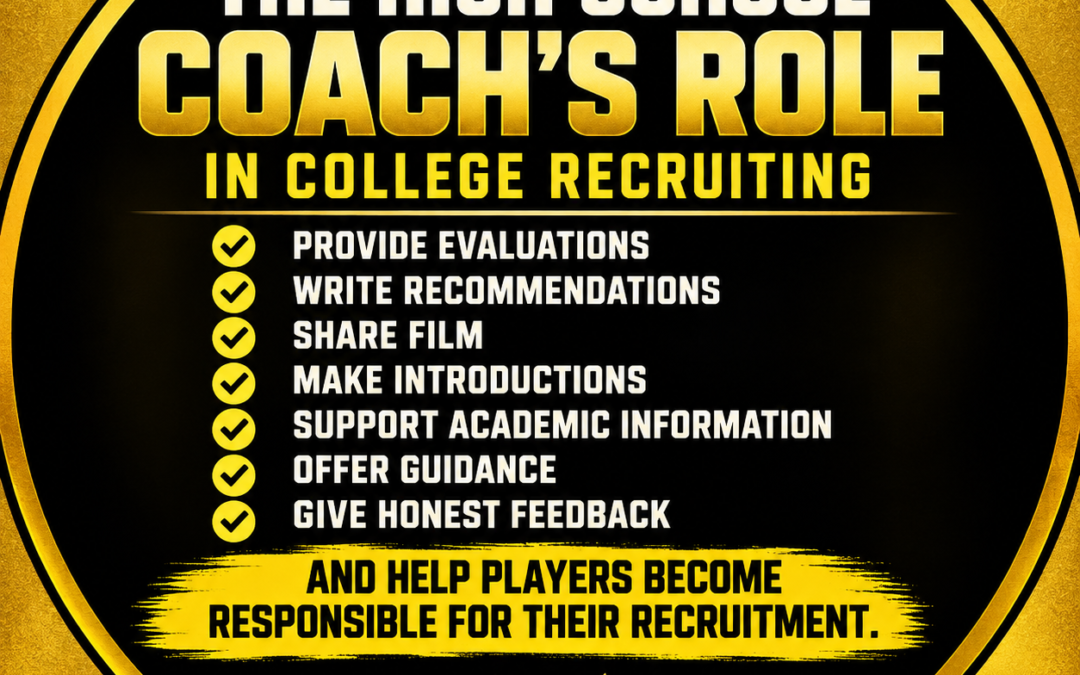
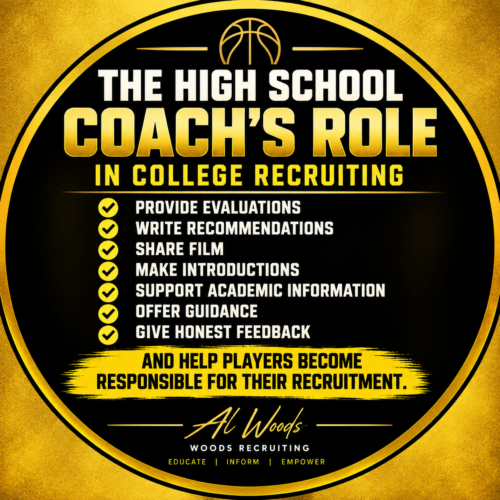
A coach can provide:

  • Honest player evaluations
  • Academic information
  • Updated game film
  • College introductions
  • Character recommendations
  • Recruiting guidance
  • Realistic level feedback

Those responsibilities can make a difference.


College Coaches Want More Than Film

Film gets attention, but conversations provide context.

A college coach may watch a prospect score 25 points and still have questions. 

Does the player practice hard? 

How does the player respond to coaching? 

Is the athlete dependable? 

What kind of teammate are they? 

How do they handle adversity?

The high school coach sees things recruiting videos rarely show.

That information carries weight when it comes from someone whose reputation is respected.

This is also why coaches have to be honest. 

Telling every player they are Division I talent helps nobody. Inflated evaluations eventually damage the coach's credibility with college programs.

Honest evaluation is advocacy.

Sometimes helping a player means telling them they should broaden their search.


Make Recruiting Easier For College Coaches

High school programs should have basic recruiting information organized and ready.

If you have college-level prospects, don't make coaches hunt for everything.

Have updated film available. 

Know graduation years, heights, positions, academic information, social-media contacts, and player contact information when appropriate.

When college coaches ask questions, respond.

Recruiting moves quickly. 

A missed phone call might not destroy an opportunity, but poor communication repeated over time certainly doesn't help.


The Player Still Has To Take Responsibility

Here is where families sometimes get confused.

The high school coach should help with recruiting.

The high school coach should not own the player's recruiting.

Players need to communicate with colleges, research programs, maintain their academics, develop their game, send film, attend appropriate events, ask questions, and follow up.

Sitting at home waiting for your high school coach to create your recruiting opportunities is a dangerous strategy.

Your coach can make an introduction.

You have to build the relationship.

Your coach can send film.

You have to perform on the film.

Your coach can recommend you.

You have to give that coach something worth recommending.


Mistakes That Hurt The Process

One of the biggest mistakes is waiting until senior year to become organized.

Another is assuming talent alone will generate recruiting attention.

Families can also make the mistake of blaming coaches for every recruiting disappointment. 

Sometimes the issue is exposure. 

Sometimes it's academics. 

Sometimes the player's projected college level has been misjudged.

And sometimes the player simply isn't doing enough.

Recruiting requires accountability from everyone involved.


Al Woods Perspective

I've been around basketball long enough to understand how valuable relationships are in recruiting.

A high school coach who has developed credibility with college coaches can be an enormous resource for a student-athlete. 

One phone call from someone a college coach trusts can encourage that coach to take another look.

But players cannot surrender responsibility for their future.

The strongest recruiting situations happen when the player, family, high school coach, and other trusted basketball people are communicating and working toward the same objective.

Nobody should be waiting around hoping someone else handles everything.


Conclusion

The high school coach can be one of the strongest allies a prospect has in college recruiting.

Provide film. 

Make introductions. 

Answer calls. 

Give honest evaluations. 

Share academic information. 

Recommend deserving players. 

Tell families the truth about recruiting levels.

Then teach players the most important recruiting lesson of all:

This is your future. 

Take responsibility for it.

A great high school coach doesn't recruit for the player.

A great high school coach helps prepare the player to recruit for themselves.


Author/Byline

By Al Woods | Woods Recruiting

Al Woods is a former high school, college, and professional basketball player and the founder of Woods Recruiting. 

Through independent scouting, player evaluations, grassroots basketball coverage, and recruiting education, Woods brings decades of basketball experience to the recruiting conversation. 

His work focuses on giving student-athletes, families, coaches, and the basketball community straightforward information about what recruiting really requires and why development, accountability, communication, and honest evaluation still matter.