
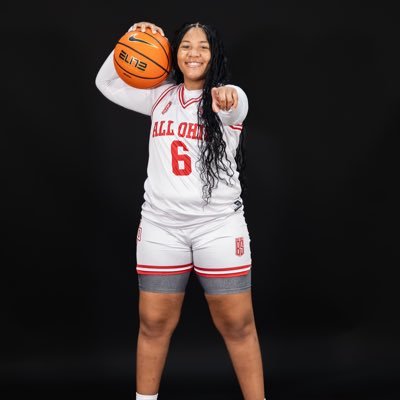
 Every basketball player grows up dreaming about the Division I level.
That dream is powerful, and there is absolutely nothing wrong with chasing it.
Having big goals, high expectations, and belief in yourself is part of what makes great athletes different.
You should want the top spot.
You should want to test yourself against the best.
And if you are willing to put the work in, you should aim high.
But here’s where the conversation has to be honest.
Division I basketball represents the smallest percentage of college players in the country.
It is not just about talent.
It is about size, strength, speed, consistency, and production against elite competition.
The margin for error is slim, and the players who earn those opportunities are truly the best of the best.
Major college basketball is demanding, unforgiving, and highly competitive.
Too many athletes lock in on the Division I label without fully understanding what that level requires.
Some players may not yet be physically ready.
Others may not have the size or athletic profile college coaches are seeking at that level.
And sometimes, the fit simply is not there, no matter how badly someone wants it.
That reality should not discourage anyone. Instead, it should expand how athletes view opportunity.
College basketball exists at multiple levels for a reason.
Division II, Division III, NAIA, and Junior College all offer real competition, real development, and real education.
The goal should not be chasing a logo.
The goal should be putting yourself in a situation where you can play, grow, and earn a degree.
You cannot force Division I if it is not there.
But you can still earn a college education, compete at a high level, and continue your basketball journey if you are willing to keep an open mind.
Emma Hawkins continues to improve through consistent work habits and attention to detail. Her feel for the game, defensive effort, and decision making reflect a player focused on growth, not labels, while embracing competition.
Avery Billotte plays with toughness, discipline, and leadership that translates across levels. Her preparation shows in how she controls tempo, values possessions, and impacts winning in multiple ways every time she steps on the floor.
Rhegan Kent brings scoring versatility and confidence built through repetition. Her ability to play on or off the ball, defend with purpose, and stay aggressive reflects a player investing in long-term development.
Jordann Oakland pairs perimeter shooting with competitive edge and consistency. Her confidence comes from work, not hype, allowing her game to translate when intensity rises and pressure situations demand poise.
Sophie Konrad impacts games with effort, IQ, and versatility. Her willingness to defend, facilitate, and compete reflects a player focused on improvement and finding the right fit to maximize her college opportunity.
Conclusion
At the end of the day, college basketball should be viewed as an opportunity, not a status symbol.
Playing at any level of college basketball is an accomplishment that deserves respect.
The experience, the education, and the growth matter far more than the division attached to your jersey.
Evaluation season often exposes the gap between dreams and reality. College coaches are not just recruiting talent.
They are recruiting fit, readiness, and reliability.
They want players who can contribute, develop, and handle the demands of their program both on and off the court.
When athletes focus only on Division I, they sometimes miss opportunities that could be better for their long-term success.
Sitting the bench, struggling to keep up physically, or failing to earn minutes can stall development.
On the other hand, playing meaningful minutes at another level can build confidence, sharpen skills, and open doors later in a college career.
Basketball journeys are not linear.
Many players develop late.
Others grow physically or mentally once they reach college.
Some transfer.
Some move up levels. None of that happens if you stop yourself by chasing only one path.
The smartest athletes focus on development, opportunity, and education.
They want a coaching staff that believes in them.
They want a system that fits their strengths.
They want a chance to compete, improve, and earn their degree.
Division I is a great goal.
But it is not the only goal that matters.
If you love the game and are willing to work, there is a place for you to play college basketball.
Find the level that fits you, embrace the opportunity, and let your growth write the rest of the story.